Ten drill/drivers worth your money this year — full-size 20V workhorses for big jobs and light 12V kits for quick work around the house.
Updated September 2026 · 10 picks · Specs pulled from manufacturer and retailer listings
Affiliate disclosure: We may earn a commission if you buy through our Amazon links. It does not change what you pay or how the tools are ranked.
How we compared them
This is a spec-led shortlist built from published specs and retailer listings. We weighed voltage platform, chuck size, torque, clutch settings, battery capacity, and what each kit actually includes for the money. Nothing here is a hammer drill or an impact driver — every pick is a general-purpose drill/driver. If you buy through an Amazon link, we may earn a commission, which keeps this site running.
Quick picks
The whole list in one glance. Tap any pick to jump to the full review.
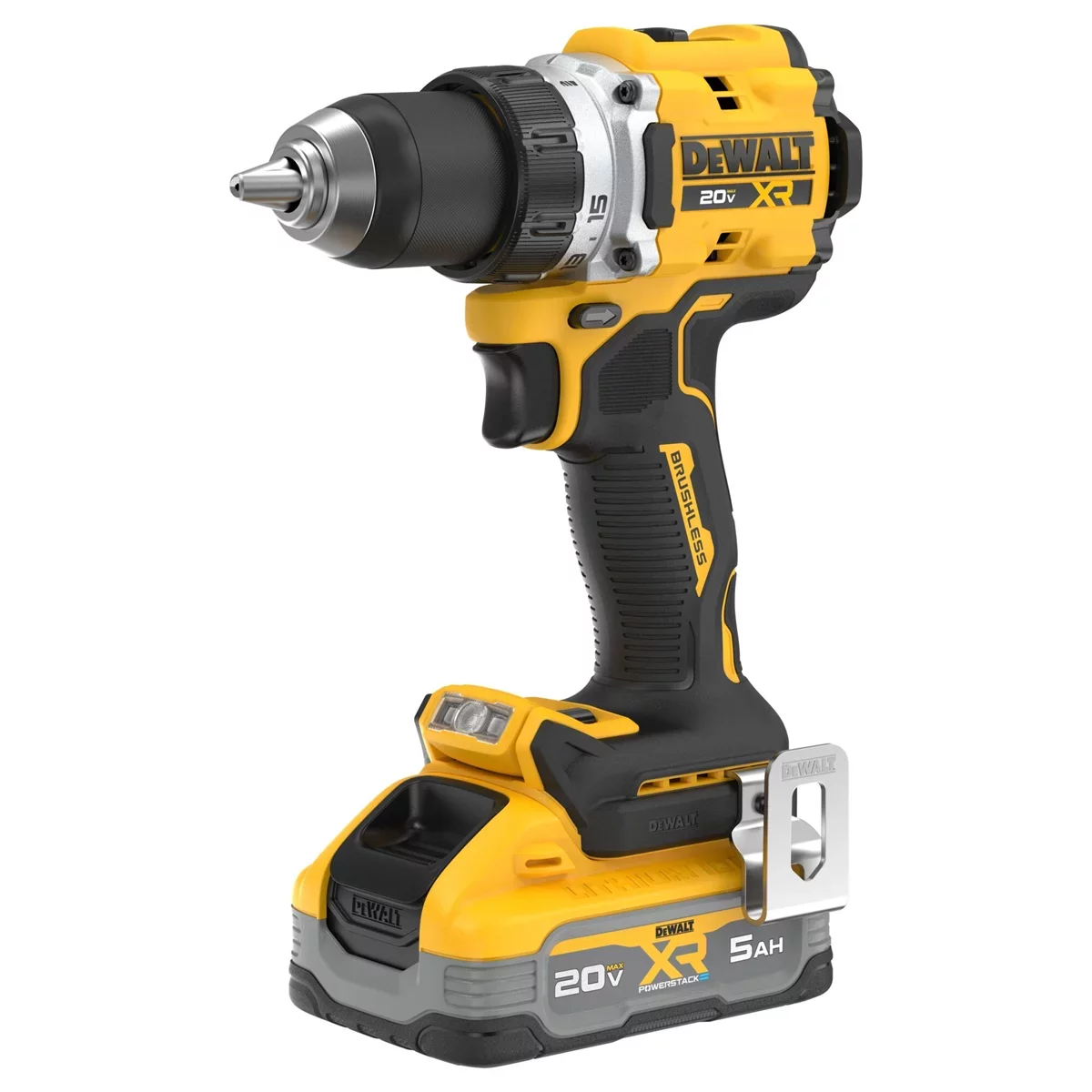
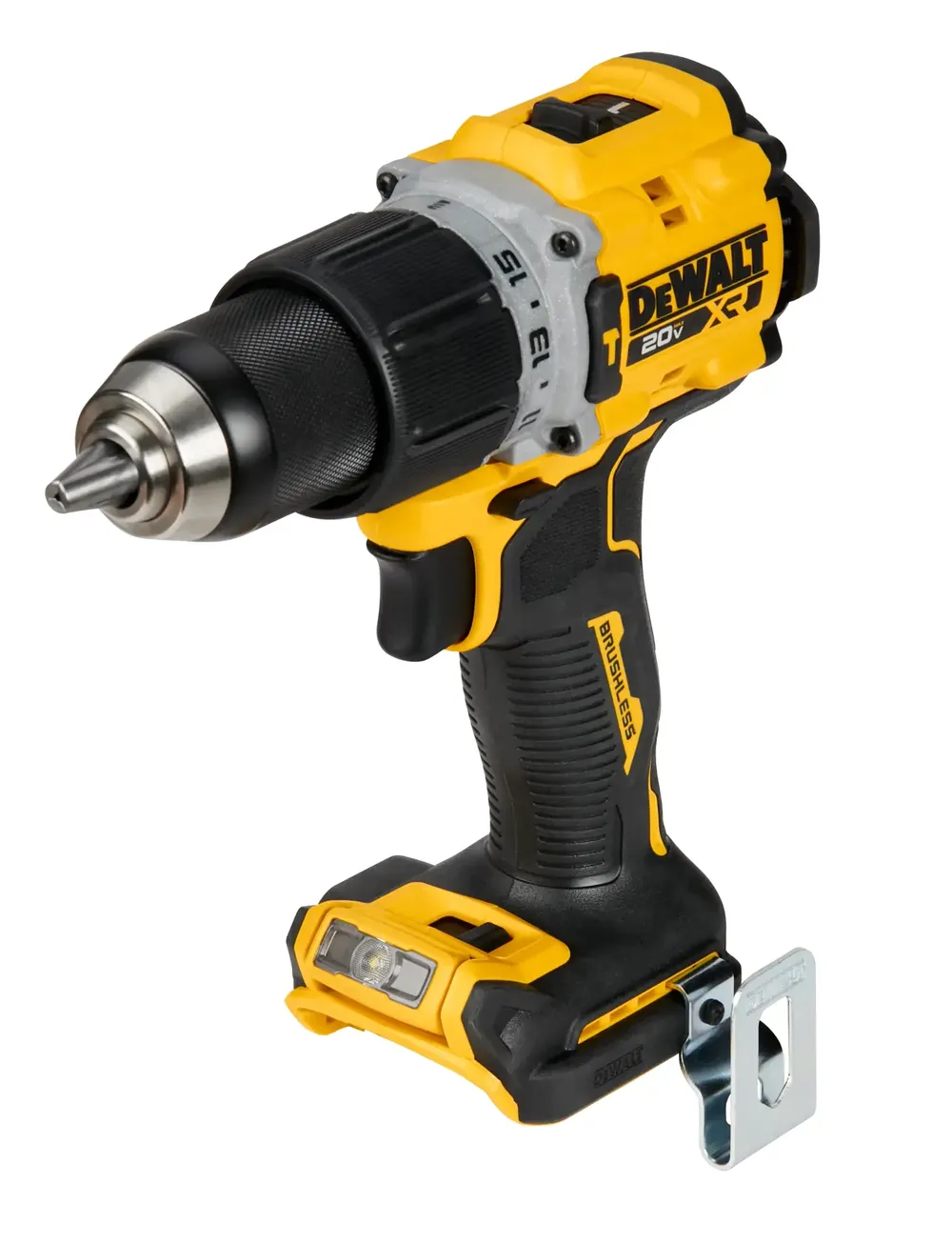
DeWalt 20V MAX XR Brushless 1/2-In. Drill/Driver Kit
Model DCD791D2 · ASIN B0183RLVSQ
Source: retailer product photo
Who it's for: anyone who wants one drill that handles everything — drilling studs, driving long screws, assembling furniture. This is the safe default pick in the 20V class.
Voltage
20V MAX XR
Chuck
1/2-in. metal ratcheting
Max power
340 UWO
No-load speed
0–550 / 0–2,000 RPM
Brushless motor, a 15-position clutch, and a compact 6.9-inch head length. The kit ships with two 2.0Ah XR batteries, a charger, and a contractor bag — enough to start a job and keep a spare battery on the charger.
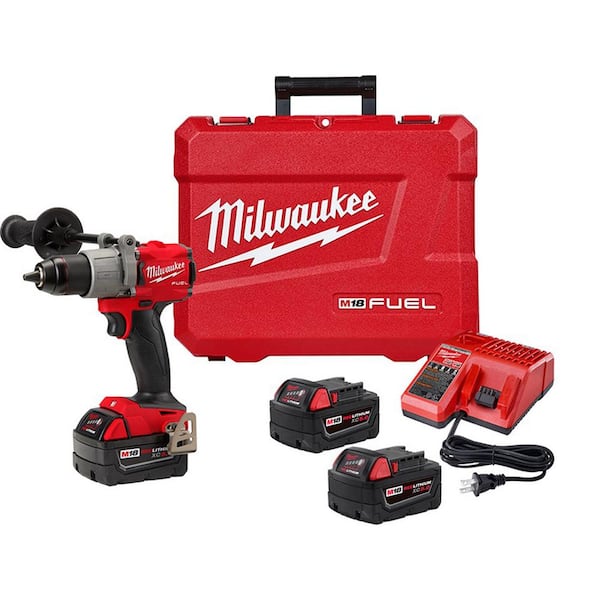
Who it's for: heavy drilling and long fasteners — decks, framing repairs, big hole saws. The side handle and 5.0Ah batteries are built for that work.
Voltage
18V M18
Chuck
1/2-in. all-metal ratcheting
Max torque
1,200 in-lbs
No-load speed
0–550 / 0–2,000 RPM
The highest torque rating on this list, paired with two XC5.0 batteries for long runtime. Milwaukee's FUEL line is brushless with electronic overload protection. It's heavier than the compact picks, which is the honest trade for the power.
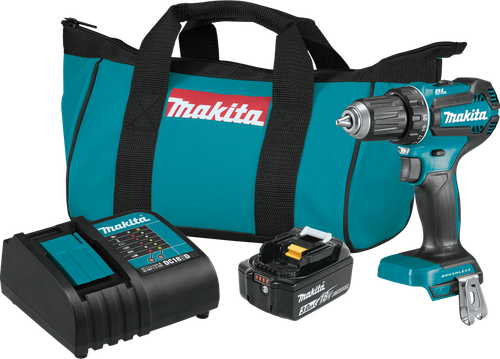
Who it's for: anyone already invested in Makita's 18V LXT batteries — or anyone who wants a well-balanced drill with plenty of power for its size.
Voltage
18V LXT
Chuck
1/2-in. metal ratcheting
Max torque
1,090 in-lbs
No-load speed
0–550 / 0–2,100 RPM
Makita's mechanical 2-speed gearbox gives it a fast top end for drilling and a strong low range for driving. The kit includes a 3.0Ah battery, charger, and tool bag. LXT is one of the largest 18V platforms going, so the battery works across hundreds of tools.
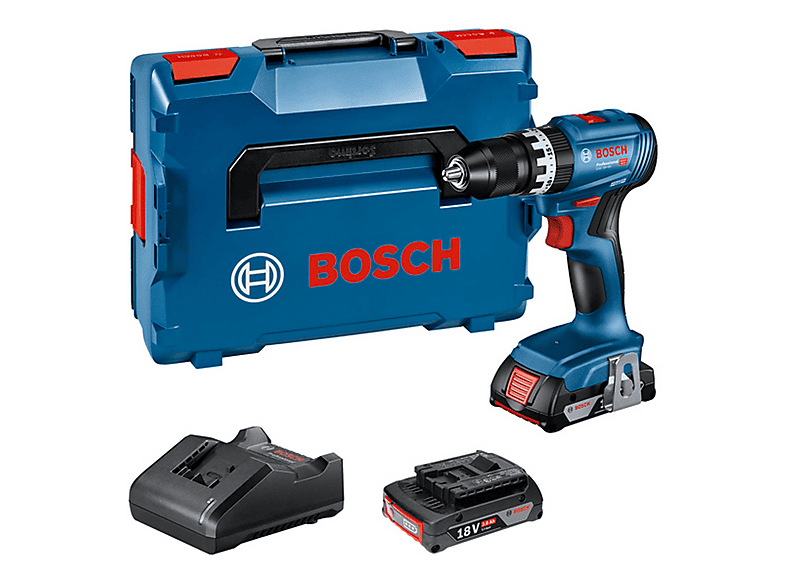
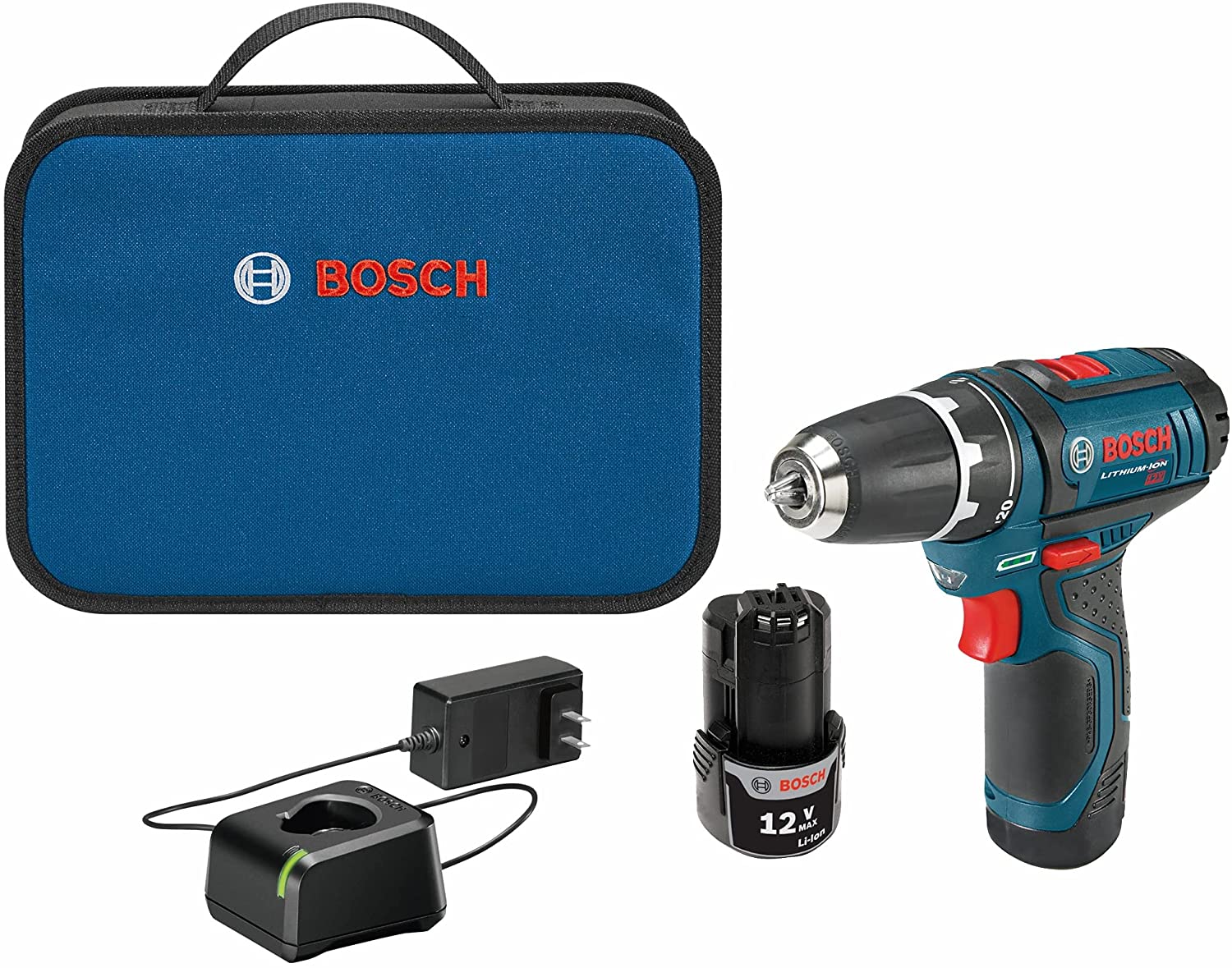
Who it's for: anyone who wants full 18V power in a small, easy-to-handle drill — cabinet work, overhead drilling, or long days of driving screws.
Voltage
18V
Chuck
1/2-in. keyless metal
Max torque
400 in-lbs
No-load speed
0–500 / 0–1,900 RPM
This is Bosch's compact 18V drill — shorter and lighter than most full-size models, with enough torque for general work. The B12 kit keeps the price down with one 2.0Ah battery and a charger. At about $120 it undercuts the big pro brands.
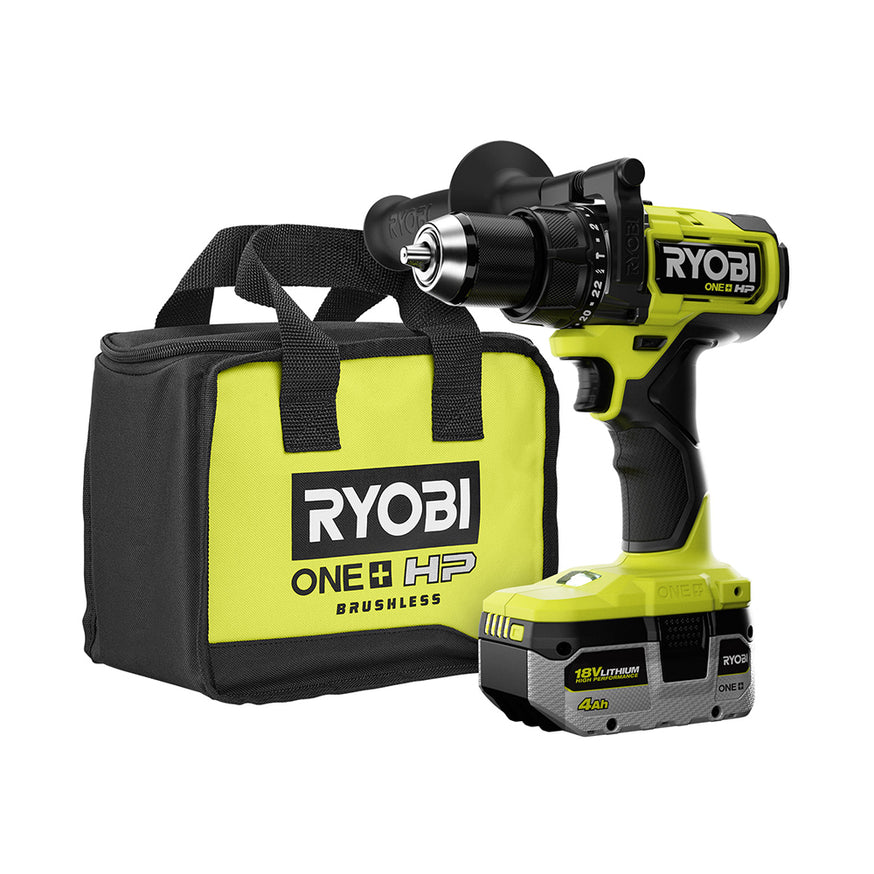
Ryobi ONE+ HP 18V Brushless 1/2-In. Drill/Driver Kit
Model PBLDD01K · ASIN B0CN9CJF6Z
Source: manufacturer product photo
Who it's for: DIYers who want pro-style specs on a budget — and access to the enormous ONE+ battery platform, which runs over 300 tools.
Voltage
18V ONE+
Chuck
1/2-in. ratcheting metal
Max torque
750 in-lbs
No-load speed
0–500 / 0–2,100 RPM
Brushless motor, 750 in-lbs of torque, and a 24-position clutch — numbers that keep up with drills costing more. The kit includes one 2.0Ah HP battery, a charger, and a bag. If you're starting a battery platform from scratch, this is the most affordable way into a strong one.
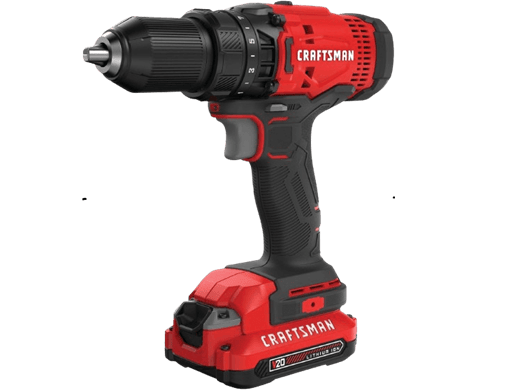
Who it's for: first-time buyers who want a full-size 1/2-inch drill at a fair price — hanging curtains, assembling furniture, basic repairs.
Voltage
20V V20
Chuck
1/2-in. keyless
Max power
280 UWO
No-load speed
0–350 / 0–1,500 RPM
A straightforward two-speed drill with a 24-position clutch, LED work light, and a battery and charger in the box. It won't match the pro brands on torque, but it covers the everyday jobs most homeowners actually do — and the V20 line has a solid range of companion tools.
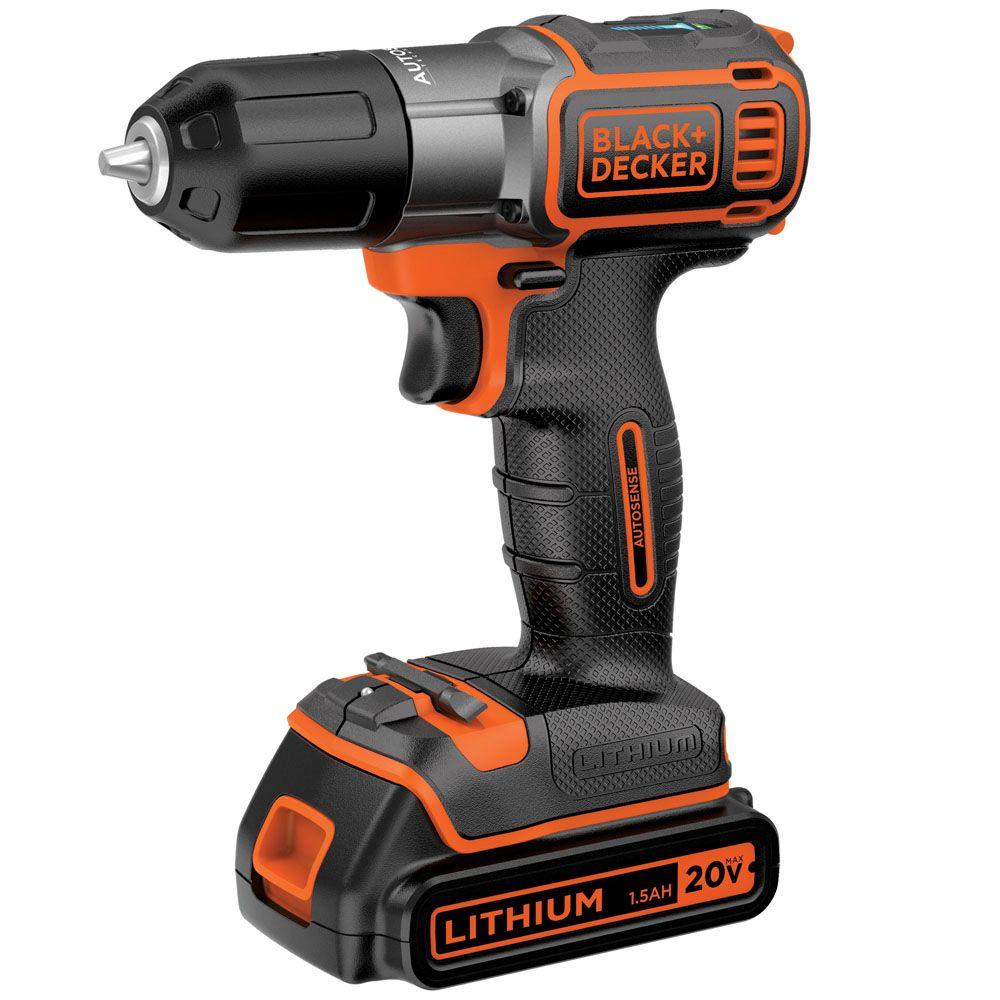
Who it's for: light household duty on a tight budget — hanging pictures, driving small screws, assembling flat-pack furniture.
Voltage
20V MAX
Chuck
3/8-in. keyless
Clutch
11 positions
No-load speed
0–650 RPM
The cheapest drill on this list, usually around fifty dollars. Single speed, 11-position clutch, and a 1.5Ah battery with charger. It's a basic tool for basic jobs — don't ask it to drill concrete or drive 3-inch deck screws all afternoon.
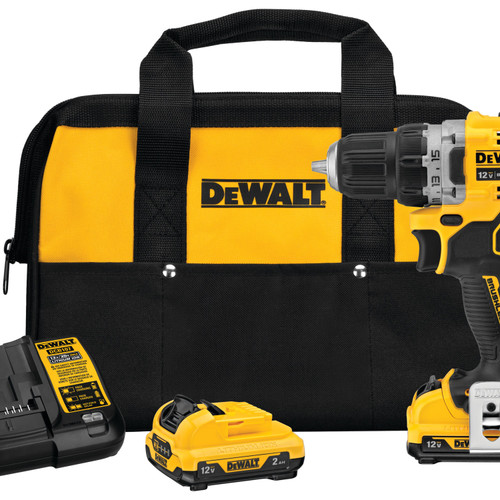
DeWalt XTREME 12V MAX Brushless 3/8-In. Drill/Driver Kit
Model DCD701F2 · ASIN B07TVG85N3
Source: retailer product photo
Who it's for: anyone who reaches for a drill often but rarely needs full 20V power — pilot holes, small fasteners, quick fixes. Light enough to live in a kitchen drawer.
Voltage
12V MAX
Chuck
3/8-in. ratcheting
Max power
250 UWO
No-load speed
0–425 / 0–1,500 RPM
A genuinely small drill — under two pounds with the battery — with a brushless motor and a 15-position clutch. The kit includes two 2.0Ah batteries, a charger, and a bag, usually around $150. It's the 12V drill for people who still want a real tool.
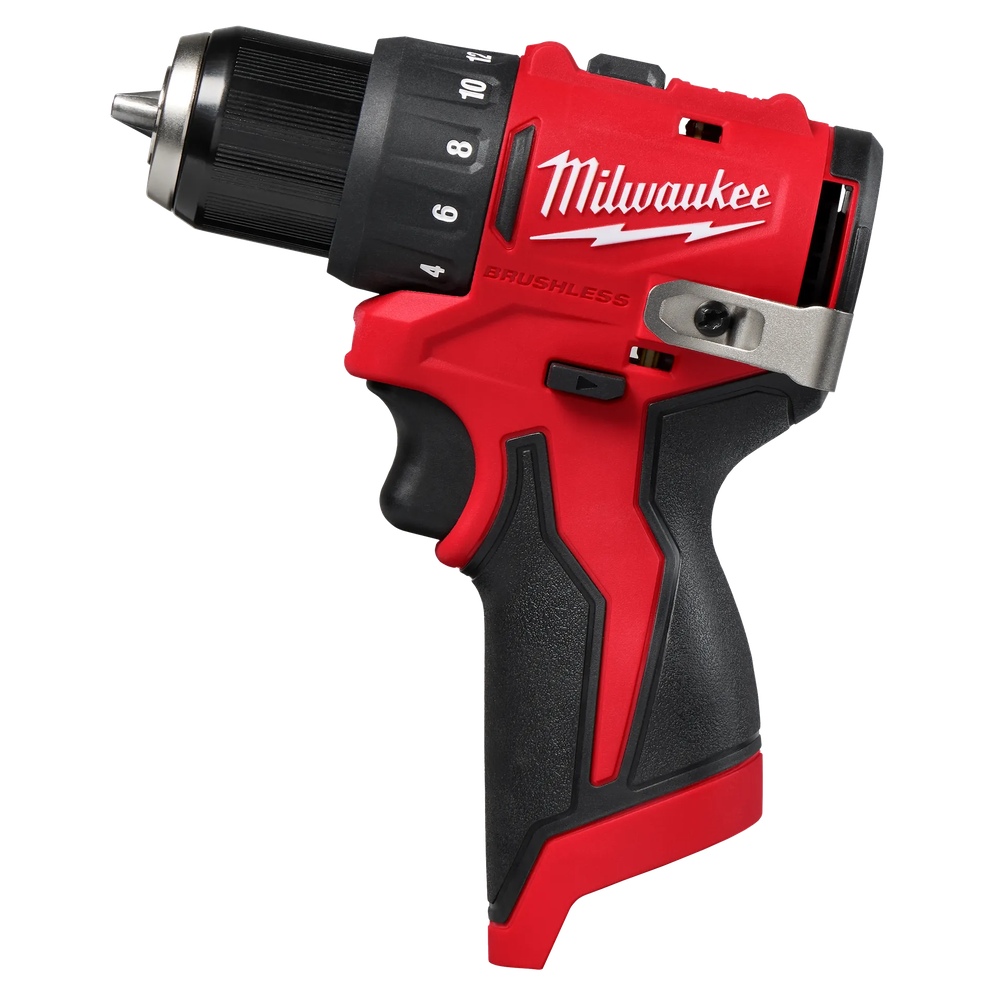
Who it's for: cabinet installs, electrical boxes, and anywhere a full-size drill won't fit. It runs on the same M12 batteries as Milwaukee's compact tool line.
Voltage
12V M12
Chuck
3/8-in. keyless
Motor
Brushless
Clutch
Numbered torque settings
One of the smallest brushless drill/drivers you can buy, with a short head length that gets into cabinets and between studs. It won't replace an 18V drill for heavy work, but for driving screws all day in tight spots, the small size is the whole point.
Who it's for: a second drill for quick jobs — predrilling, driving small screws, anything where you'd rather grab something light than lug the big kit out.
Voltage
12V MAX
Chuck
3/8-in. keyless
Max torque
265 in-lbs
No-load speed
0–350 / 0–1,300 RPM
A long-running favorite among DIYers: two 2.0Ah batteries, a charger, and a carry case in the box, with a 20+1 clutch for driving screws cleanly. At barely over two pounds, it's the drill you actually reach for when the job is small.
A drill/driver is the first power tool most people buy, and the one they use the most. A few decisions matter more than the brand name on the side.
Pick your voltage platform first
Full-size drills run on 18V or 20V MAX batteries — 20V MAX and 18V are the same voltage, measured differently, so treat them as one class. Compact drills run on 12V. If you already own batteries from one brand, start there; batteries that swap between tools are worth more than a slightly better drill. Buy the 12V only if you want the lightest drill possible. For one drill that does everything, the 18V/20V class is the better bet.
Chuck size
A 1/2-inch chuck accepts bigger bits — spade bits, hole saws, large auger bits. A 3/8-inch chuck keeps the drill smaller and lighter, and covers most household drilling. If you only drill pilot holes and drive screws, 3/8 inch is plenty.
Clutch settings
The numbered ring behind the chuck limits torque so you don't strip screw heads or sink fasteners too deep. More positions mean finer control. Look for at least 15; the drills here run 15+1, 20+1, or 24+1.
Brushless is worth the extra
Brushless motors run cooler, last longer, and squeeze more work out of each battery charge. Most kits on this list are brushless. The budget picks that aren't still drill fine — they just work harder doing it.
Battery amp-hours
The Ah number is the fuel tank. A 2.0Ah battery is light and fine for drilling and driving. 4.0–5.0Ah packs run longer but add weight. Two batteries beat one big battery: keep one on the charger while you work.
Kit vs. bare tool
Buy the kit if you're new to the battery platform — battery and charger included. Buy the bare tool if you already own batteries on that platform. Bare tools are cheaper and the drill is identical.
What to skip
Single-speed drills with no clutch are hard to drive screws with cleanly. No-name batteries from auction sites can be unreliable and sometimes unsafe — stick with the brand's own packs. And don't pay extra for hammer-drill models if all you drill is wood and drywall; the hammer function adds cost without helping those jobs.
Specifications are based on published manufacturer and retailer information.