From the classic 15-inch carpenter saw that lives in every toolbox to fine Japanese pull saws for dovetails, these picks cover the cutting jobs a power saw cannot reach or is not worth setting up for.
Last updated: September 2026
We may earn a commission if you buy through our Amazon links. It does not change what you pay or how the tools are ranked.
How we sized them up
This is a spec-led shortlist built from published specs and retailer listings. We compared blade length, tooth count (TPI), blade style, handle design, resharpenability and price. For most DIYers, a sharp induction-hardened carpenter saw with a comfortable handle covers 90 percent of the work; the rest of the list fills in finish cutting, joinery and flush trimming.
The quick cut
Start with the job, then check the tooth count and blade length. Tap any pick to jump straight to the full breakdown.
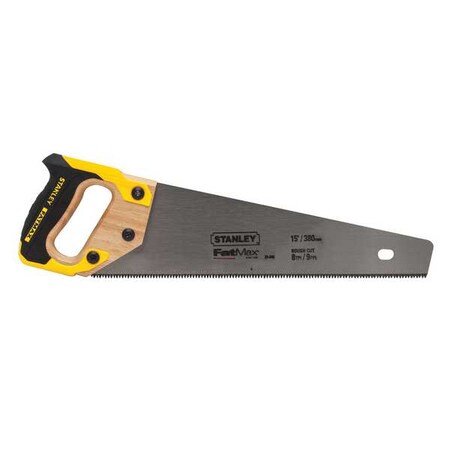
Who it’s forThis is the saw to buy if you only buy one. The 15-inch blade and 9-PPI SharpTooth pattern handle framing lumber, plywood and PVC without bogging down, and the thick rubberized grip stays comfortable on long sessions. It usually sells for about $16, which makes it one of the cheapest ways to own a saw you will actually reach for.
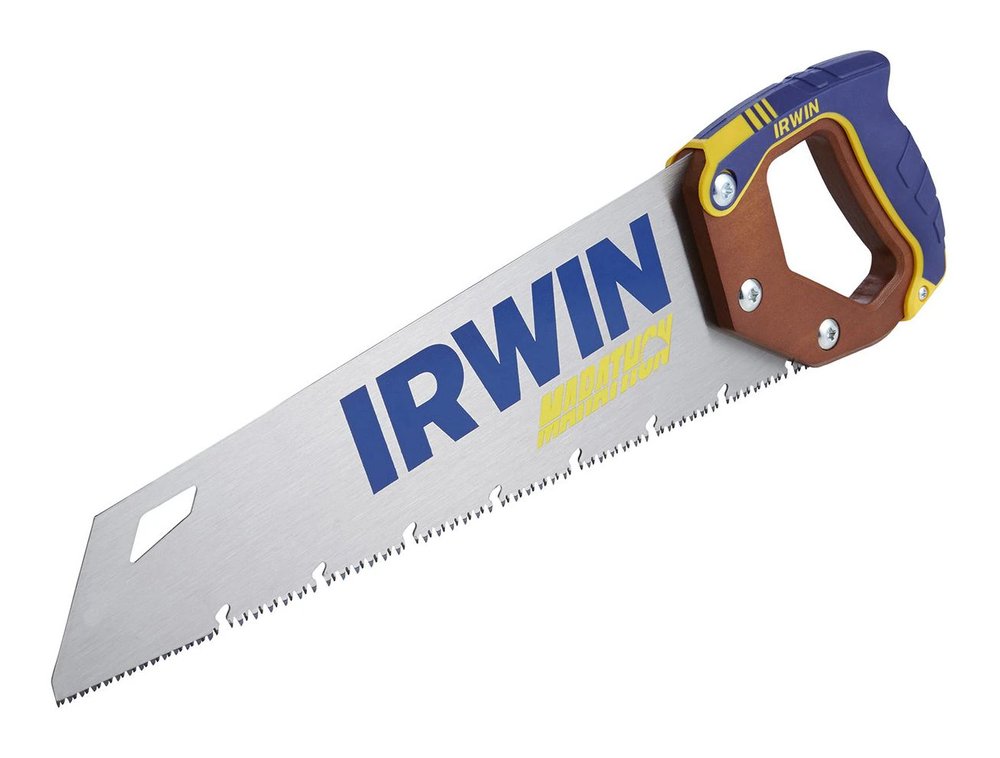
Who it’s forThe IRWIN Marathon is the workhorse alternative to the Stanley above. Its 9-point coarse cut and deep gullets clear chips fast, and the tapered-pitch nose helps it start without skating. Fine teeth near the tip make starting the cut easier. Usually around $14 to $18.
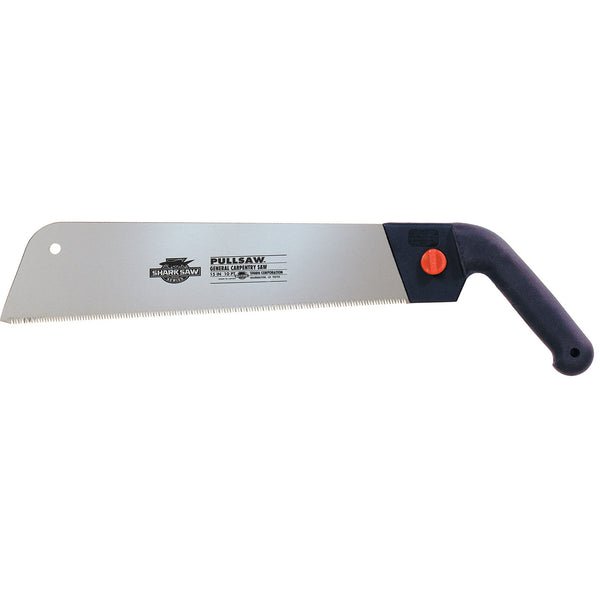
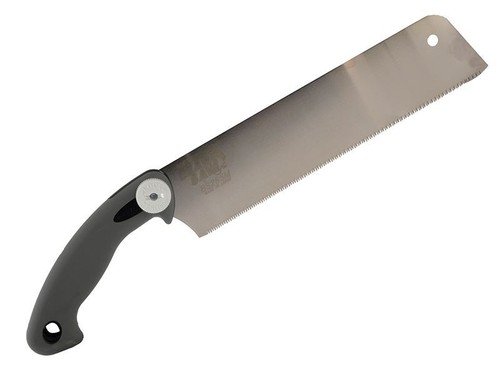
Who it’s forAnyone curious about Japanese-style saws should start here. The Shark cuts on the pull stroke, so the thin blade stays in tension and tracks straight with less effort. Ten teeth per inch give an aggressive but controlled cut on 2x lumber, plywood and even plastic pipe. Replacement blades are available and the twist lock makes swapping them simple. Around $25 to $30.
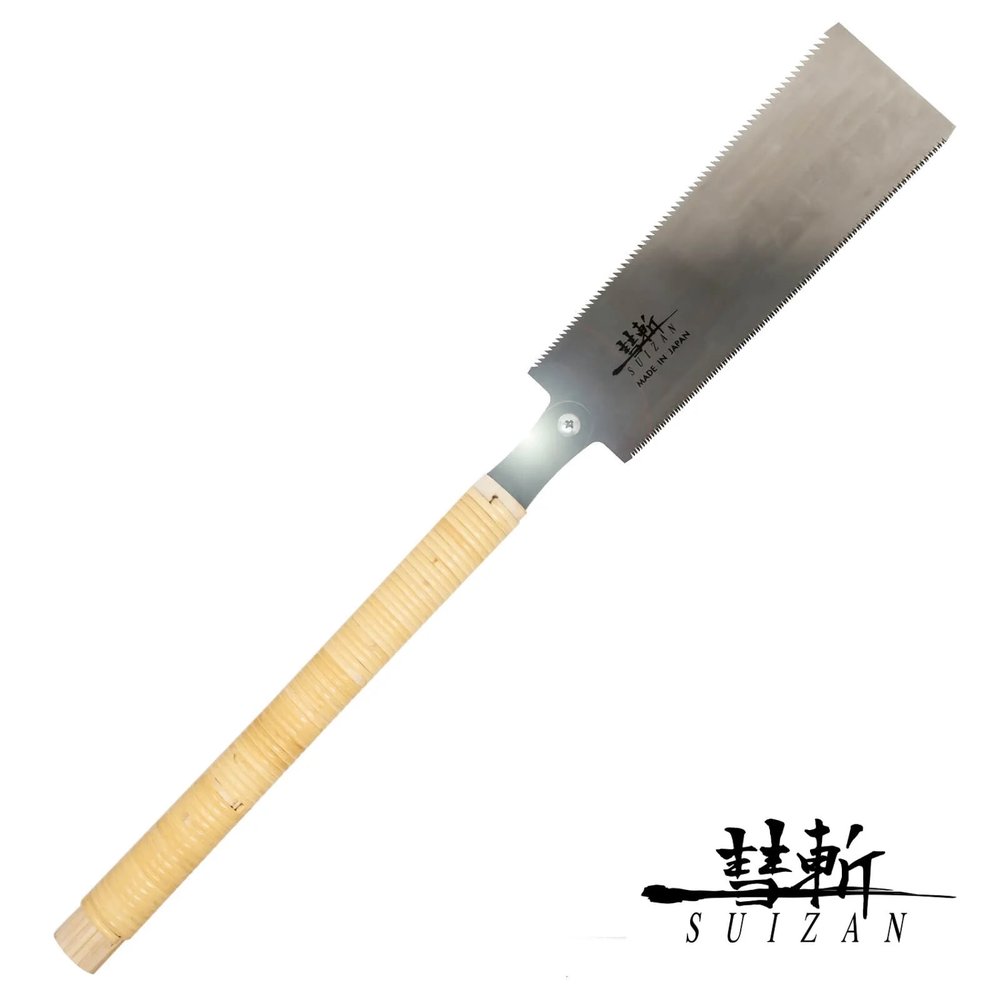
Who it’s forThe ryoba is two saws in one: a rip edge and a crosscut edge on opposite sides of a single 9.5-inch blade. The 9-TPI rip side powers through cuts along the grain, while the 15-TPI crosscut side leaves a cleaner face. It is the most versatile Japanese saw on this list and a natural step up from a Western carpenter saw. About $37.
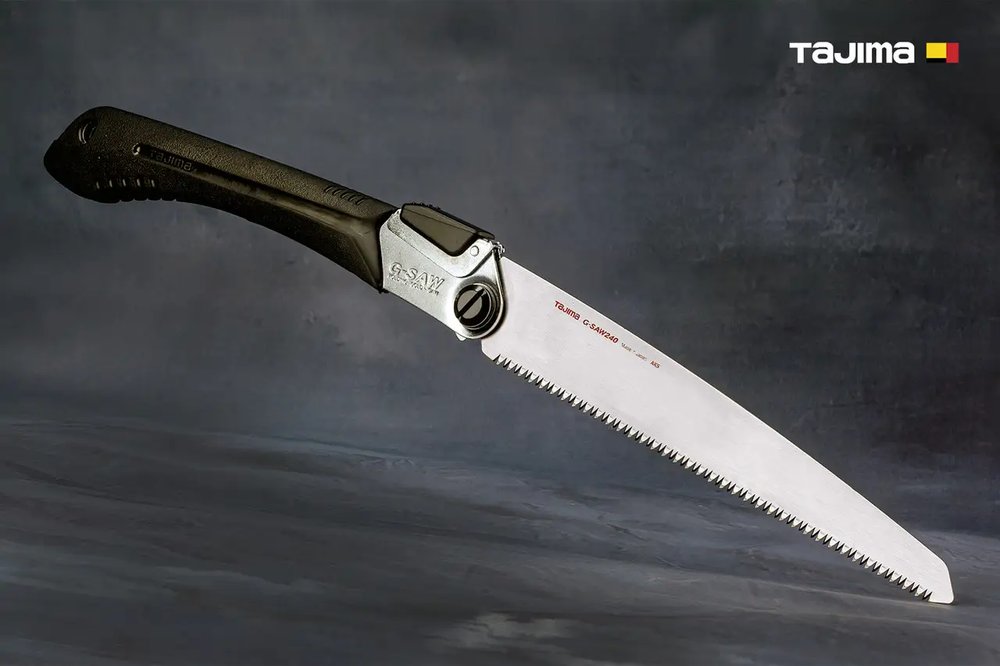
Who it’s forThe Tajima folds into its own handle, so it rides in a tool bag or bucket without snagging anything. The 240-mm blade is a good general size for site work and pruning, and the chrome-plated blade resists rust if it lives in a garage. The blade is replaceable, which keeps the long-term cost down. Around $28.
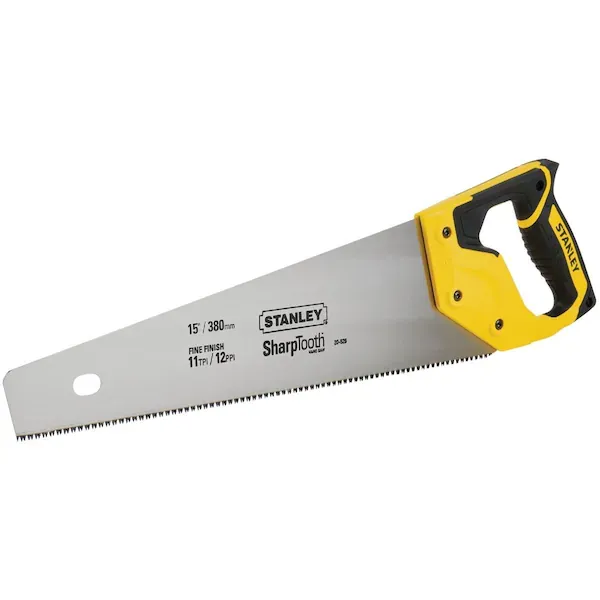
Stanley 15" SharpTooth Finish-Cut Hand Saw, 12 PPI (20-526)
ASIN B0007XJO48
Product image: Zoro product listing.
Who it’s forPair this with the coarse FatMax and your cutting is covered. The 12-PPI tooth pattern on the 20-526 leaves a noticeably cleaner edge on trim, molding and plywood, where the rough-cut saws would tear out. The one-piece welded comfort grip has no screws to loosen. Usually about $13.
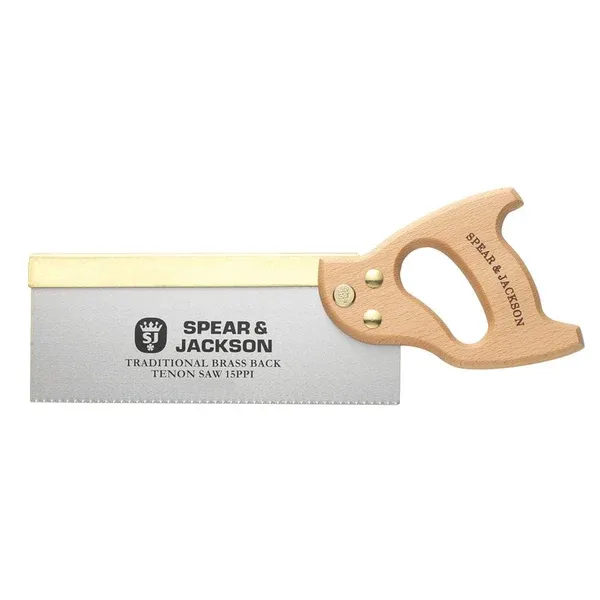
Spear & Jackson Traditional Brass Back Tenon Saw 10" x 15 PPI (9540B-91)
ASIN B004QN55OS
Product image: Beyond Tools retail listing.
Who it’s forThis is the saw for anyone starting hand-cut joinery. The brass back stiffens the blade so the cut stays true on tenon shoulders, and 15 PPI is fine enough for small work without bogging down. Unlike the hardened saws above, this one can be resharpened, so it can last for years with basic care. About $24.
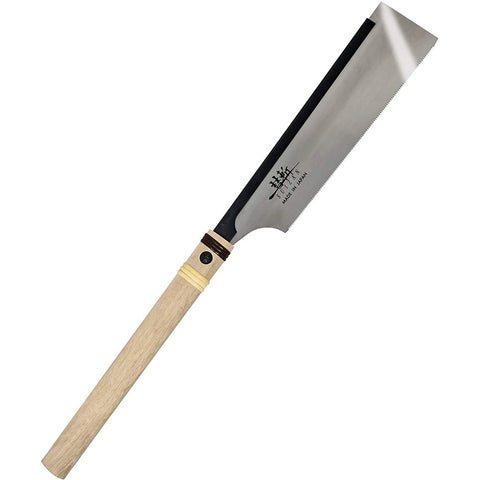
Who it’s forThe dozuki is the Japanese answer to the Western dovetail saw. A thin steel spine backs the 9.5-inch blade, which keeps it tracking straight through dovetails, tenons and fine crosscuts. The blade is only about 0.012 inches thick, so the kerf is narrow and the cuts come out crisp. The rip/cross/angle tooth pattern handles grain direction on its own. Around $35 to $40.
Who it’s forThe Bear Saw is the modular option on this list. The 10.5-inch blade locks into the handle and pulls out in seconds, and Vaughan sells coarse, medium and fine replacement blades that all fit the same handle. The 14-TPI medium/fine blade it ships with is a good middle ground for trim, molding and plywood. The spring steel blade is plated for rust resistance. About $30.
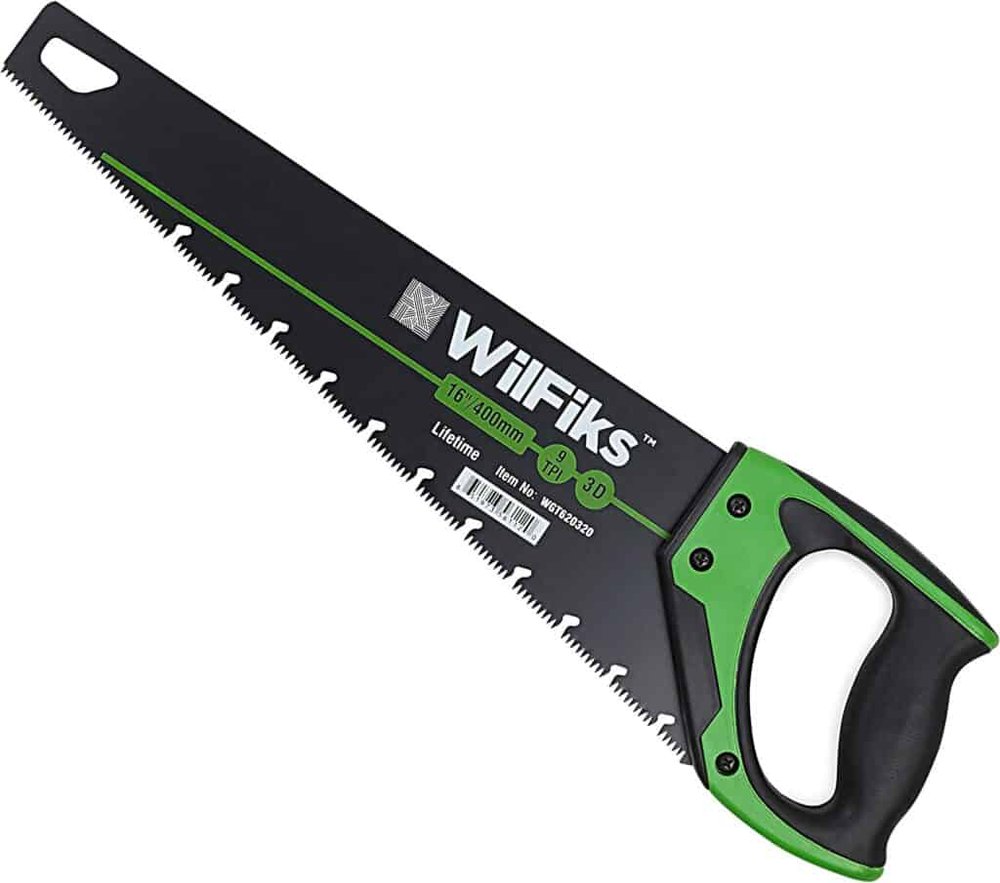
Who it’s forThis is the extra saw you keep where the good saws do not go: the truck, the shed, the garden bench. The 16-inch blade is a useful middle size, and the 9-TPI induction-hardened teeth cut wood, drywall and PVC. The rubber grip is comfortable enough for quick jobs. It often sells for about $15, which is the point.
Match the saw to the stock you cut and the cuts you make.
TPI: tooth count decides the finish
Lower tooth counts (7 to 9 TPI) cut fast and rough. Higher counts (12 to 15 and up) cut slow and clean. Framing and demolition want coarse teeth; trim, plywood and joinery want fine teeth. One coarse saw and one fine saw cover almost everything a weekend shop asks for.
Rip vs. crosscut teeth
Crosscut teeth slice across the grain and suit most DIY cutting. Rip teeth chisel along the grain for faster rips. Many Western saws use a general-purpose tooth that does both passably. Japanese saws split the job more clearly: a ryoba carries a rip edge and a crosscut edge, while a dozuki is made for fine crosscuts and joinery.
Blade length and saw type
Longer blades (15 to 20 inches) use more teeth per stroke and suit full-size lumber. Shorter saws (8 to 10 inches) fit trim, joinery and tight spaces. Western saws cut on the push stroke and feel familiar; Japanese pull saws use thinner blades, start easier and leave a narrower kerf, at the cost of learning a new motion. A folding pull saw is the practical answer for a tool bag.
Handle comfort
You grip a hand saw for every stroke, so the handle matters as much as the blade. Look for a closed grip that keeps your knuckles clear of the workpiece, rubber overmolding for long sessions, and 45°/90° markings on the blade back if you want the saw to double as a quick square.
What to avoid
Skip no-name saws with teeth that look stamped rather than ground. Avoid the cheapest discount-bin saws with bent blades or loose handles; a wobbling blade teaches bad habits. Know that induction-hardened teeth stay sharp longer but cannot be resharpened, while traditional saws like tenon saws can be sharpened again. And do not use a flush-cut saw for anything but flush cuts; the flexible blade bends and kinks under sideways pressure.
Specifications are based on published manufacturer and retailer information for the listed models. Check the current product listing for package contents and compatibility before ordering.