These are chuck-based hammer drills: ordinary drill/drivers with a masonry hammer mode. They cover brick, block, mortar and light concrete, plus all the wood and metal driving a drill does.
Last updated: September 2026
We may earn a commission if you buy through our Amazon links. It does not change what you pay or how the tools are ranked.
How we sized them up
This is a spec-led shortlist built from published specs and retailer listings. We compared blows per minute, torque, no-load speed, chuck type, size and weight, battery platform, kit contents, and safety features like anti-kickback and side handles. SDS rotary hammers are a different tool class and are covered separately; every pick here uses a standard chuck and ordinary twist or masonry bits. For general driving work beyond masonry, our tool guides cover the rest of the shop.
The quick pick list
Start with your battery platform, then check the hammer mode and chuck. Tap any pick to jump straight to the full breakdown.
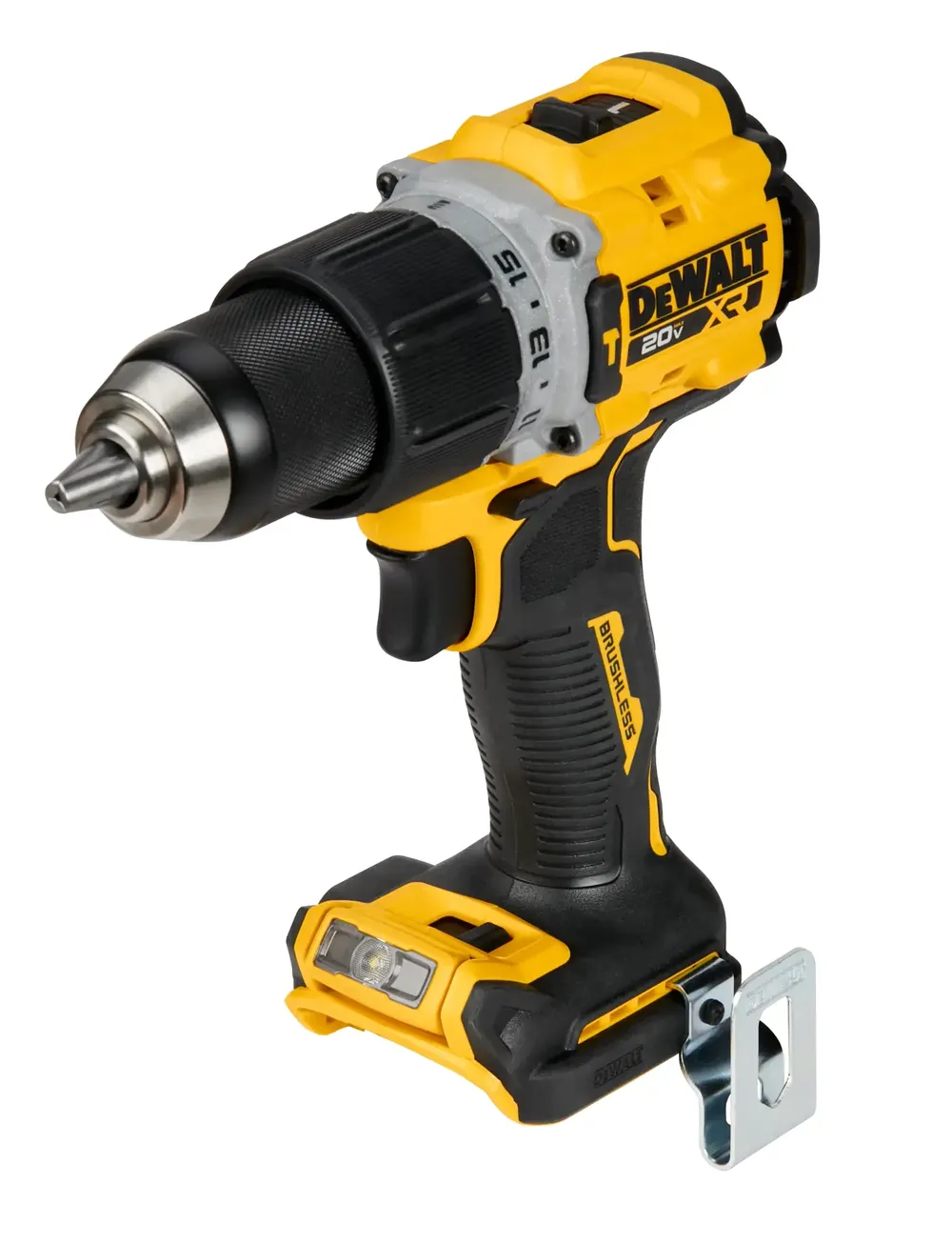
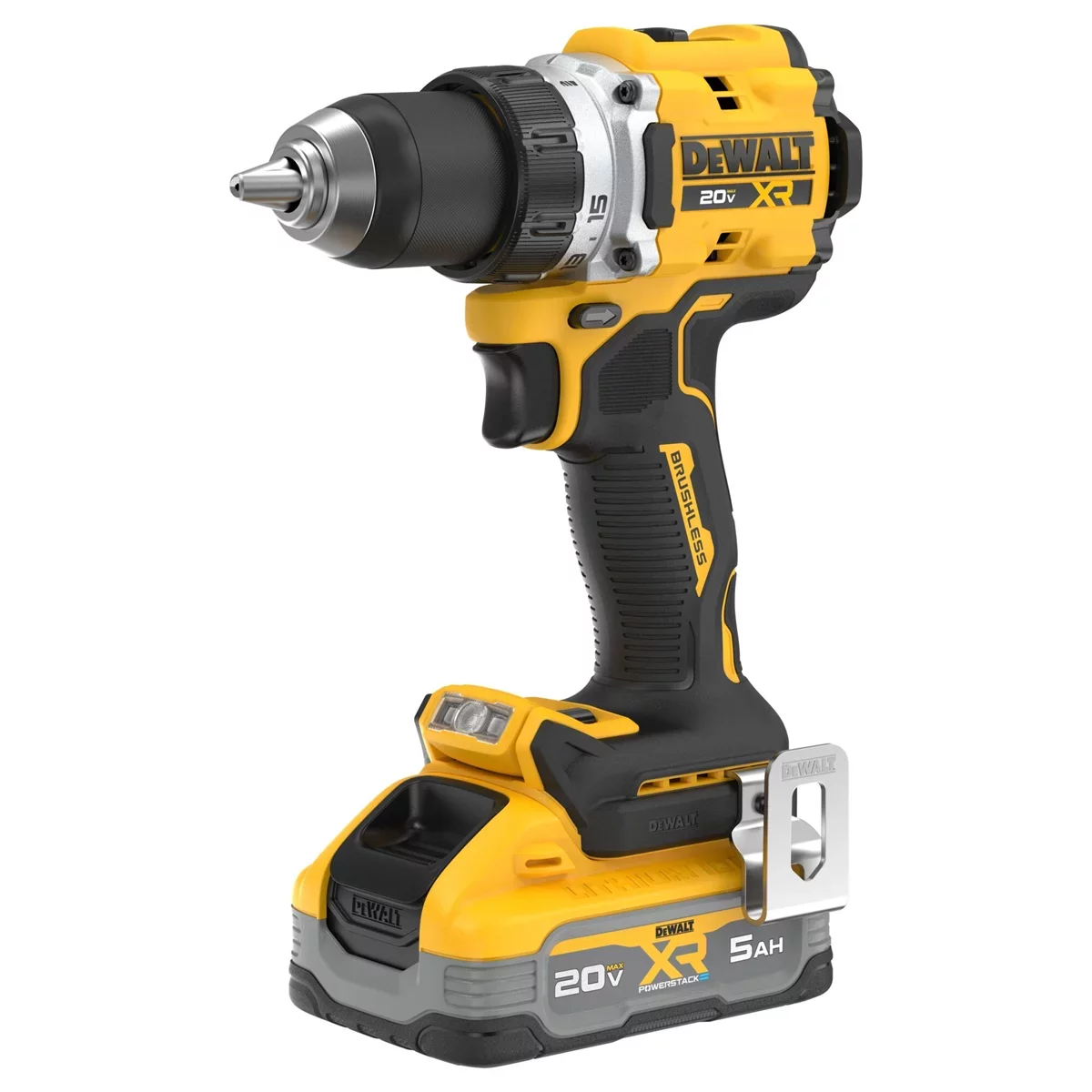
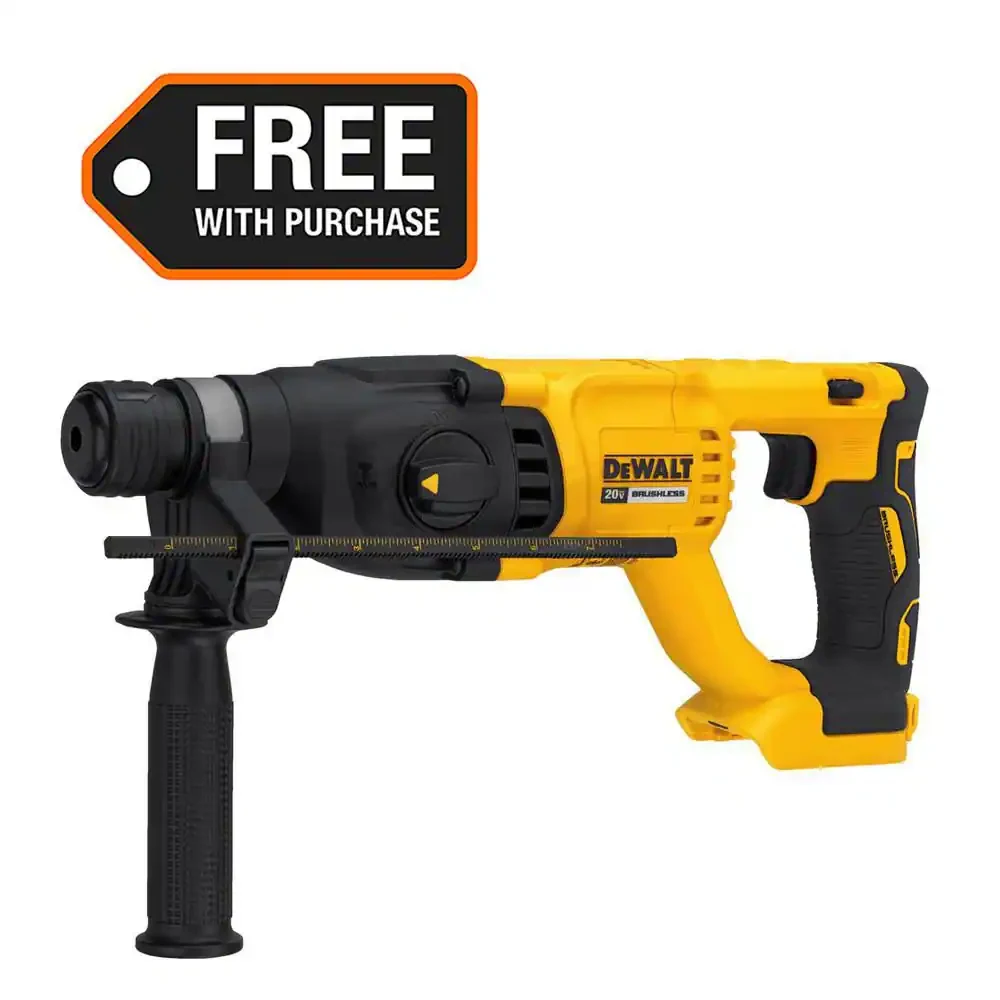
DeWalt 20V MAX XR Brushless 1/2 in. Hammer Drill/Driver, Bare Tool (DCD805B)
ASIN B09YXQHR8M
Product image: DeWalt product media.
Who it’s forThe DCD805B is the straightforward first pick for anyone already on the 20V MAX platform. A 34,000 BPM hammer mode covers brick, block and light concrete, while the two-speed gearbox (up to 2,000 RPM) handles everyday drilling and driving. It ships as a bare tool, so the value depends on having batteries on hand.
Typical price: around $119 (bare tool) · Amazon rating: about 4.8 stars.
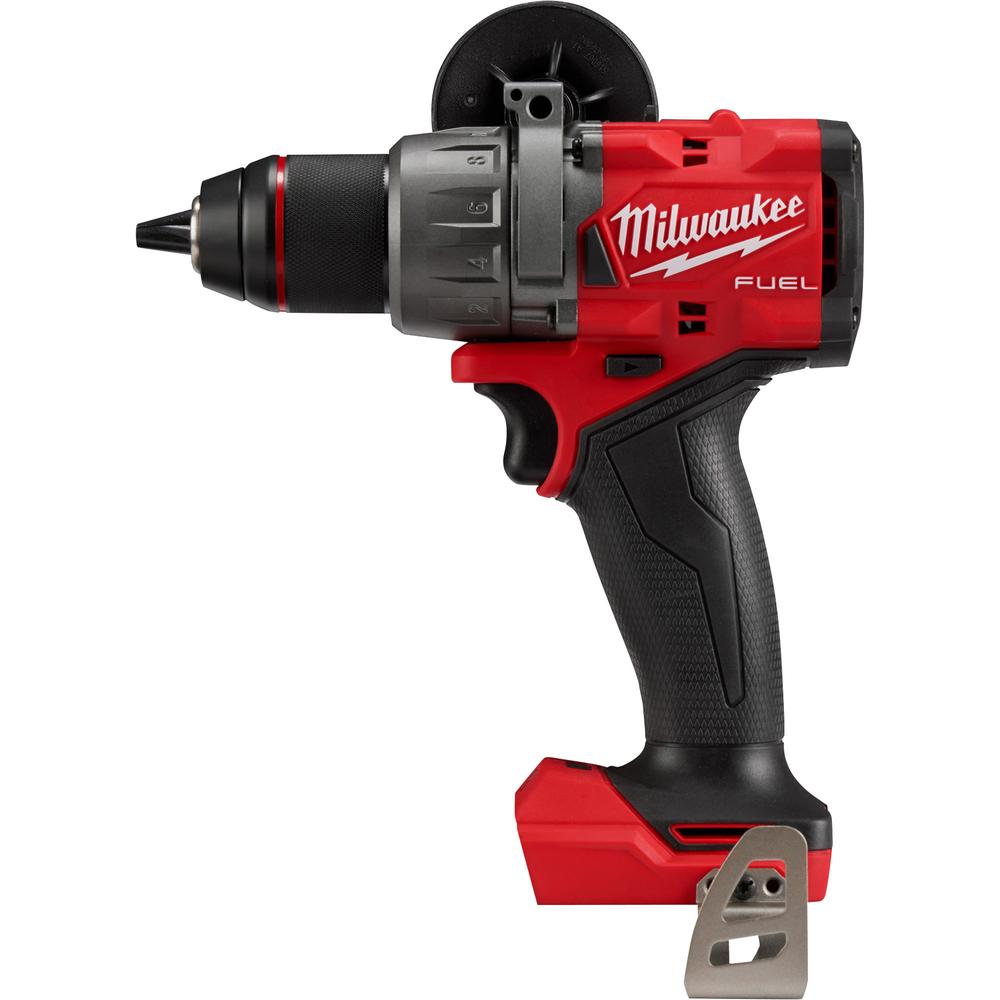
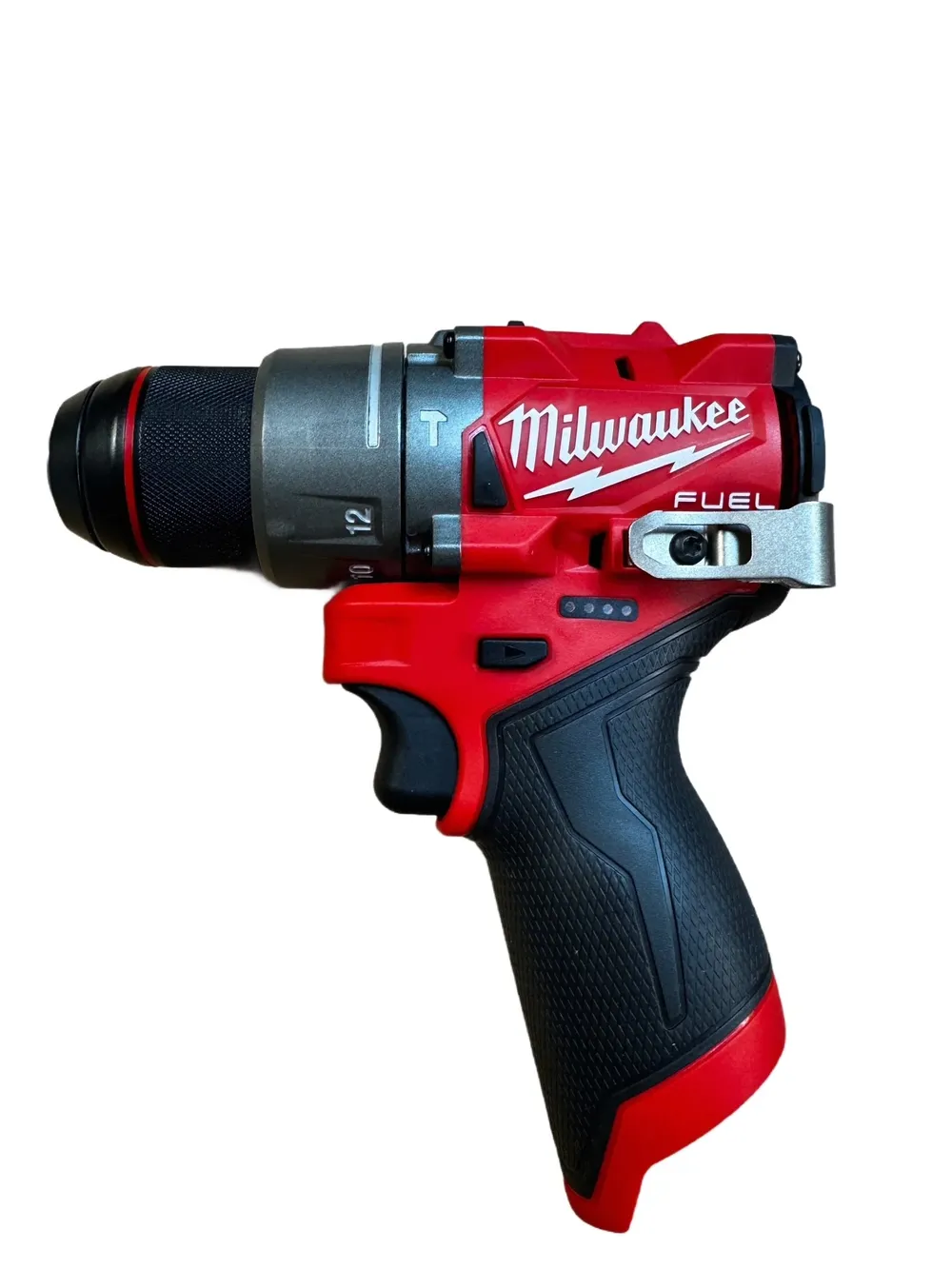
Milwaukee M18 FUEL 1/2 in. Hammer Drill/Driver, Bare Tool (2904-20)
ASIN B0BB854SJ8
Product image: Northern Tool retail listing.
Who it’s forThe current M18 FUEL hammer drill is built for the harder end of drill work. A published 1,400 in-lb of torque and 2,100 RPM top speed put it at the front of the 18V class, and the AutoStop feature cuts power when the tool binds, which matters when you are driving big fasteners overhead.
Typical price: around $149 (bare tool) · Amazon rating: about 4.7 stars.
Specifications
Power
M18 cordless, brushless
Peak torque
1,400 in-lb
No-load speed
0–2,100 RPM
Hammer rate
Up to 33,000 BPM
Chuck
1/2 in. all-metal ratcheting
In the box
Bare tool: battery and charger sold separately
Pros
Top-class 1,400 in-lb torque
AutoStop bind-up control
All-metal chuck on a 6.9-inch body
Cons
Bare tool price is a step up
3.3 lb bare weight is noticeable on long overhead work
Makita 18V LXT Brushless 1/2 in. Hammer Driver-Drill, Bare Tool (XPH14Z)
ASIN B08VN5TKVR
Product image: PaulB Hardware retail listing.
Who it’s forAnyone already invested in 18V LXT batteries can add hammer capability without starting a new platform. The XPH14Z delivers 1,250 in-lb of torque and 31,500 BPM, and the metal self-ratcheting chuck keeps masonry bits from slipping. It is a comfortable 7 inches long for a full-size hammer drill.
Typical price: around $129 (bare tool) · Amazon rating: about 4.7 stars.
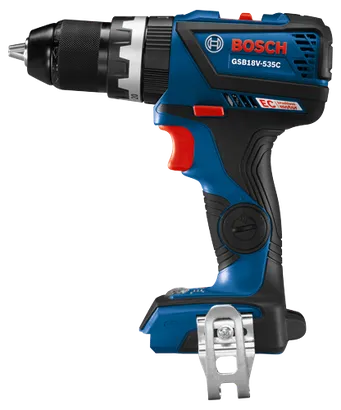
Who it’s forBosch’s headline feature here is KickBack Control, which shuts the motor down if the bit binds and the tool twists. That is a genuine comfort feature for anyone drilling into unpredictable old masonry. This kit listing pairs the drill with a CORE18V 8.0Ah battery and charger in a stackable case.
Typical price: around $199 (kit) · Amazon rating: about 4.7 stars.
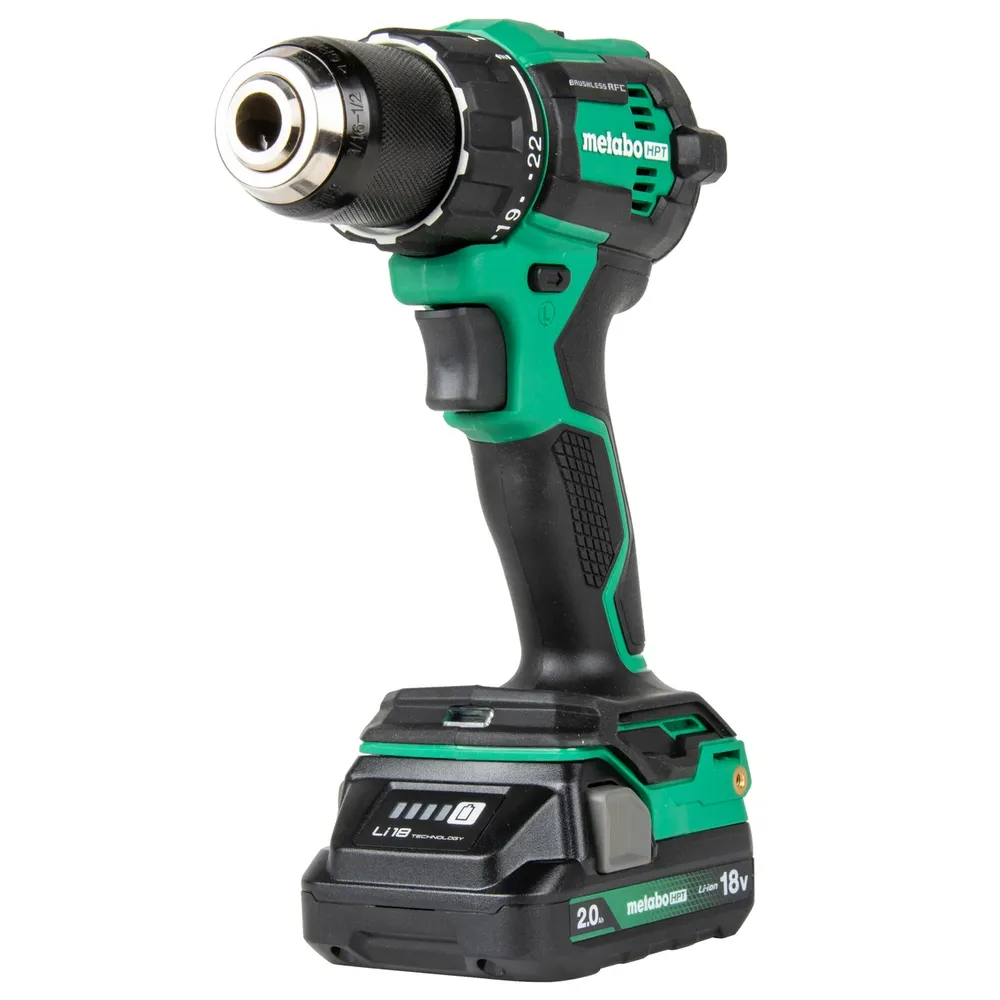
Who it’s forThis is the compact-kit pick. At 6.1 inches long and 2.6 lb bare, the DV18DEX fits cabinets, crawl spaces and overhead work better than full-size rivals, and it still posts 30,000 BPM for masonry. The kit includes two 2.0Ah batteries and a charger, and Reactive Force Control guards against bind-up.
Typical price: around $129 (kit) · Amazon rating: about 4.6 stars.
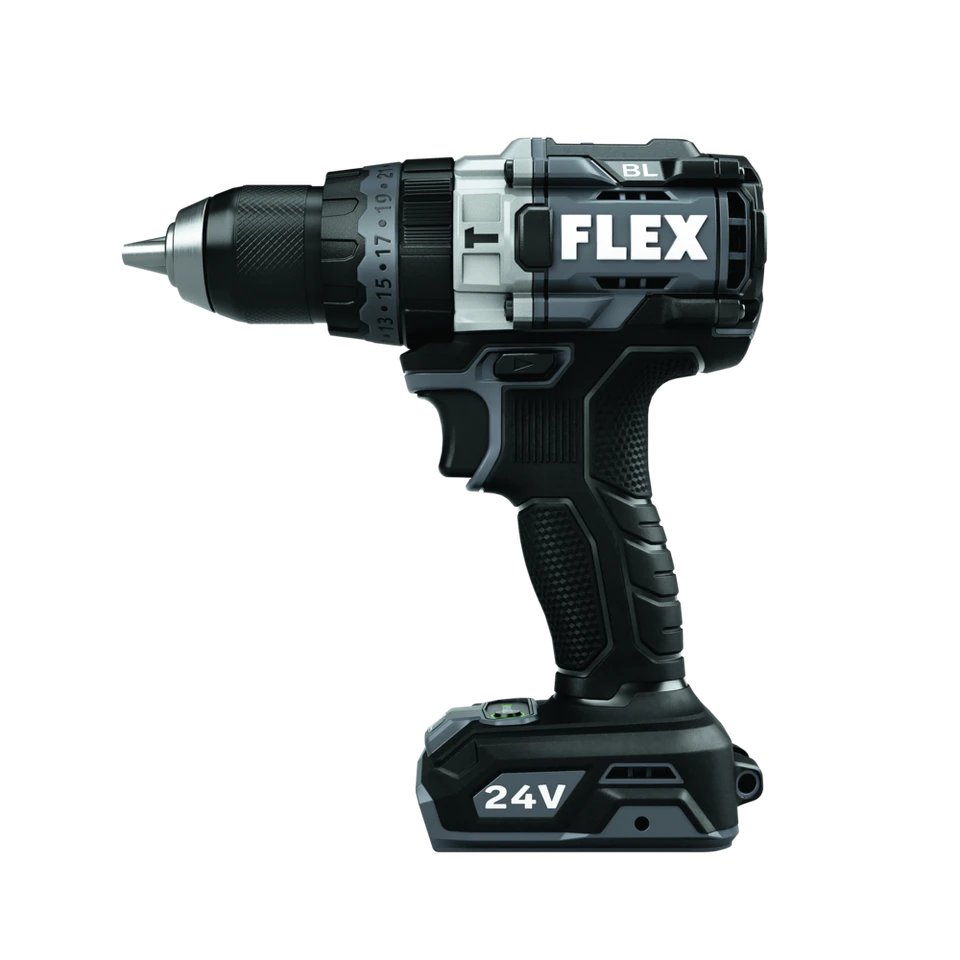
FLEX 24V Brushless 1/2 in. 2-Speed Hammer Drill with Turbo Mode, Bare Tool (FX1271T-Z)
ASIN B0CT13P8M2
Product image: TEGS Tools retail listing.
Who it’s forIf masonry is the job rather than an occasional task, the FLEX Turbo mode is the standout spec on this page: up to 2,500 RPM and 40,000 BPM when engaged. Standard output is 2,000 RPM and 32,000 BPM with 1,400 in-lb of torque, and the metal ratcheting chuck has carbide teeth for extra bite on bits.
Typical price: around $129 (bare tool) · Amazon rating: about 4.5 stars.
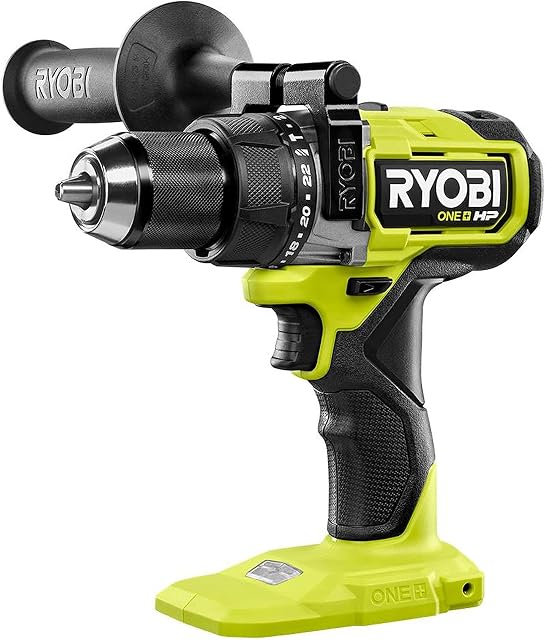
Ryobi 18V ONE+ HP Brushless 1/2 in. Hammer Drill, Bare Tool (PBLHM101B)
ASIN B099D34NPT
Product image: Amazon product media.
Who it’s forThe ONE+ HP line keeps Ryobi competitive on specs while the battery platform stays one of the cheapest ways to own many tools. This drill posts 750 in-lb of torque and 31,000 BPM, which covers brick and block for occasional masonry jobs. It is a bare tool, but ONE+ batteries are easy to find at a low price.
Typical price: around $99 (bare tool) · Amazon rating: about 4.7 stars.
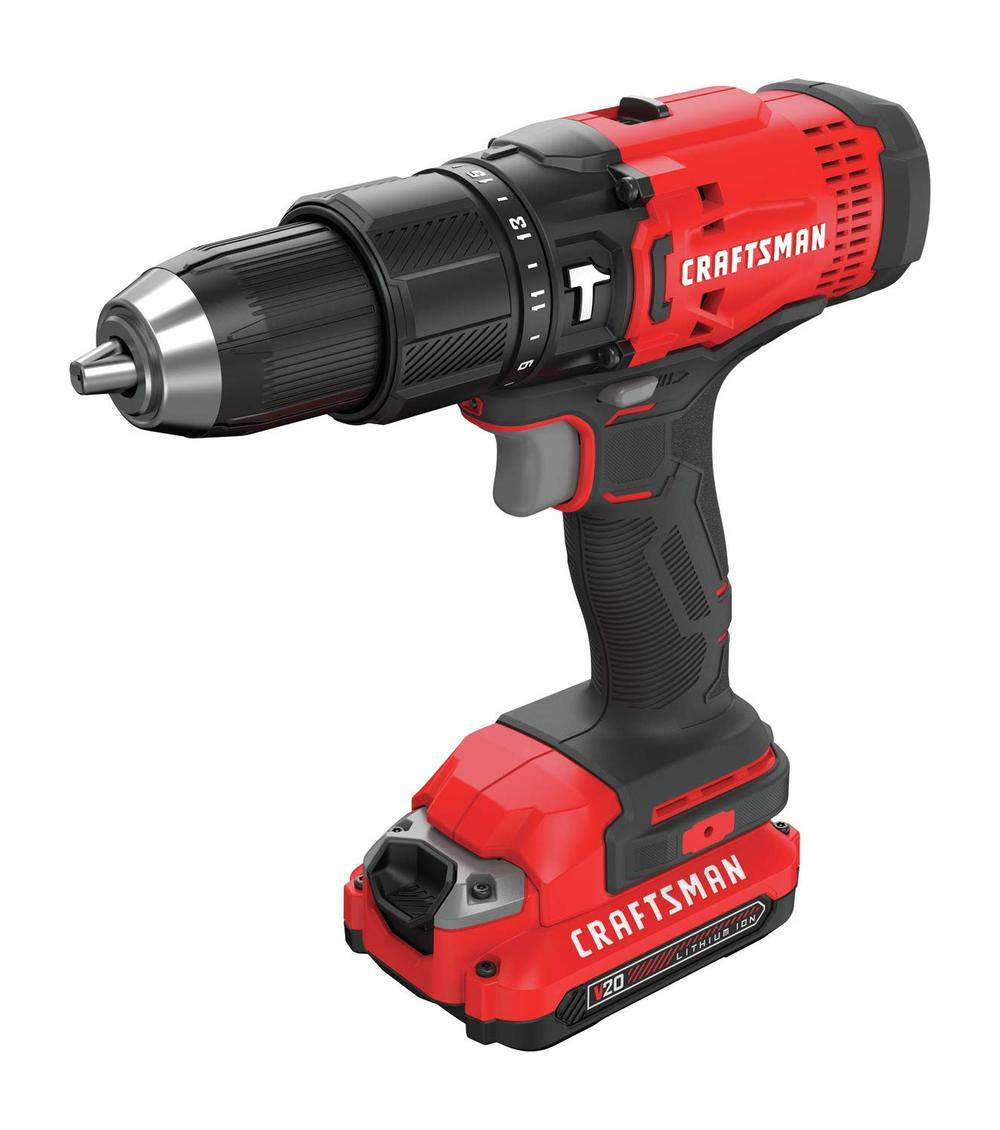
Craftsman V20 1/2 in. Hammer Drill Kit with 2 Batteries (CMCD711C2)
ASIN B07KK7RBBZ
Product image: Benchmark Tools retail listing.
Who it’s forThe budget route into a hammer drill with batteries included. The CMCD711C2 kit ships with two V20 batteries and a charger, and its 280 UWO motor with 25,500 BPM covers light masonry like brick and mortar. It is a brushed motor, so expect less efficiency than the brushless picks above.
Typical price: around $99 (kit) · Amazon rating: about 4.5 stars.
Milwaukee M12 FUEL 1/2 in. Hammer Drill/Driver, Bare Tool (3404-20)
ASIN B0BPDKS8SH
Product image: Walmart retail listing.
Who it’s forThe 12V pick for small jobs and tight quarters. At 2.6 lb with a 6.0-inch body, the 3404-20 is the lightest drill on this page, and it still offers 400 in-lb of torque with a 1/2-inch all-metal chuck and 25,500 BPM for occasional masonry. It will not replace an 18V tool for heavy work, but it is the one you will reach for all day.
Typical price: around $99 (bare tool) · Amazon rating: about 4.8 stars.
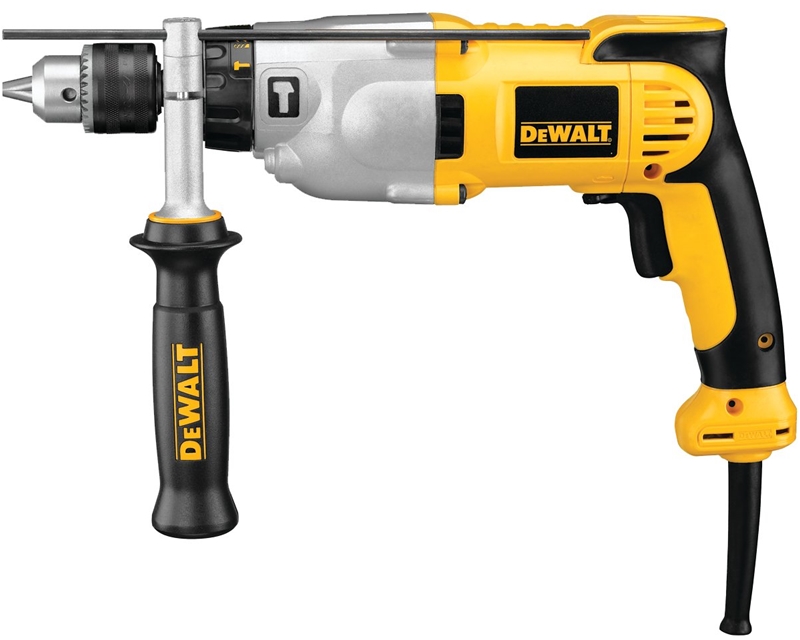
DeWalt 1/2 in. VSR Pistol Grip Hammer Drill Kit (DWD520K)
ASIN B002IAW0DA
Product image: Orgill distributor listing.
Who it’s forThe corded option for long masonry sessions where battery swaps get old. A 10-amp motor with two speed ranges (up to 3,500 RPM and 56,000 BPM) outruns every cordless pick on hammer rate, and the keyed chuck grips masonry bits with real authority. It ships in a kit case with a side handle and depth rod.
Typical price: around $139 (kit) · Amazon rating: about 4.7 stars.
Match the drill to the material you drill most, and be honest about how much concrete is really in the plan.
Hammer mode and drill mode
A hammer drill is two tools in one. Drill mode works like a normal drill/driver for wood, metal and fasteners. Hammer mode adds a rapid forward-pulsing action behind the rotation, which is what lets a twist-style masonry bit grind into brick, block and concrete. You flip a collar or switch to change modes.
Hammer drills and SDS rotary hammers
These are different tools. A hammer drill uses a standard chuck and ordinary masonry bits, and the hammer action is relatively light. An SDS rotary hammer uses slotted SDS bits, hits much harder, and is built for sustained concrete drilling and chiseling. Every pick on this page is a chuck-based hammer drill.
What BPM tells you
BPM (blows per minute) measures how fast the hammer action pulses. Higher BPM generally means faster drilling in masonry. For brick and mortar, anything above 25,000 BPM gets the job done. For poured concrete, look toward 30,000 BPM and up, or step up to SDS.
Chuck: metal, keyless and keyed
Every drill here has a 1/2-inch chuck, which covers the bit sizes a hammer drill is meant for. Metal chucks hold up better than plastic under hammer-mode vibration. Keyless chucks are fastest for bit changes; keyed chucks (like the corded DeWalt) give the most positive grip for long masonry sessions.
Masonry bits and realistic hole sizes
Use carbide-tipped masonry bits made for hammer drills, and let the tool do the work with steady, light pressure. Chuck-based hammer drills are comfortable up to about 1/2-inch holes in brick and block. Larger holes, or lots of holes in poured concrete, are SDS territory.
When concrete work calls for SDS
If your project involves drilling dozens of anchor holes in a foundation wall, a basement floor, or a driveway, a chuck-based hammer drill will be slow and hard on the tool. That is the point where renting or buying an SDS rotary hammer pays for itself.
Battery platforms and bare tools
Half the picks here are bare tools: no battery, no charger. That is the best deal if you already own that brand’s batteries, and a bad deal if you do not. Price the battery and charger before comparing a bare tool against a full kit.
Side handles and anti-kickback
Hammer drills can grab and twist when a bit binds in masonry. A side handle gives you a second grip for control, and electronic systems like Bosch KickBack Control, Milwaukee AutoStop and Metabo HPT Reactive Force Control cut power during a bind-up. Both are worth having if you drill overhead or into old, unpredictable material.
Weak signs to avoid
Skip listings that do not publish a BPM figure at all; every real hammer drill states one. Be wary of plastic chucks on tools marketed for heavy-duty masonry work. And do not buy the biggest battery in the lineup for light work — a heavy pack turns a compact drill into a chore on overhead jobs.
Specifications are based on published manufacturer and retailer information for the listed models. Check the current product listing for package contents and compatibility before ordering.