From wire-guided workhorses to wire-free models that map the yard by camera and satellite, these are the robot mowers that make sense for real lawns — matched by lawn size, slope and how much setup you are willing to do.
Last updated: September 2026
We may earn a commission if you buy through our Amazon links. It does not change what you pay or how the tools are ranked.
How we sized them up
This is a spec-led shortlist built from published specs and retailer listings. We compared navigation type (boundary wire, RTK/vision, or LiDAR), rated lawn size, cutting width and height range, slope rating, runtime, theft protection and app control. A robot mower lives or dies on honest coverage math, so lawn-size ratings and the wire-versus-wire-free tradeoff carry the most weight. For weekends when you want to cut grass yourself, see our guide to the best electric lawn mowers.
The quick cut
Start with lawn size and whether you want to bury a wire, then check slope and app features. Tap any pick to jump straight to the full breakdown.
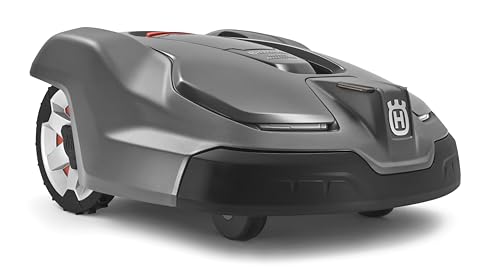
Husqvarna Automower 430XH Robotic Lawn Mower with GPS-Assisted Navigation (967852945)
ASIN B09WNDMPMQ
Product image: Amazon product media.
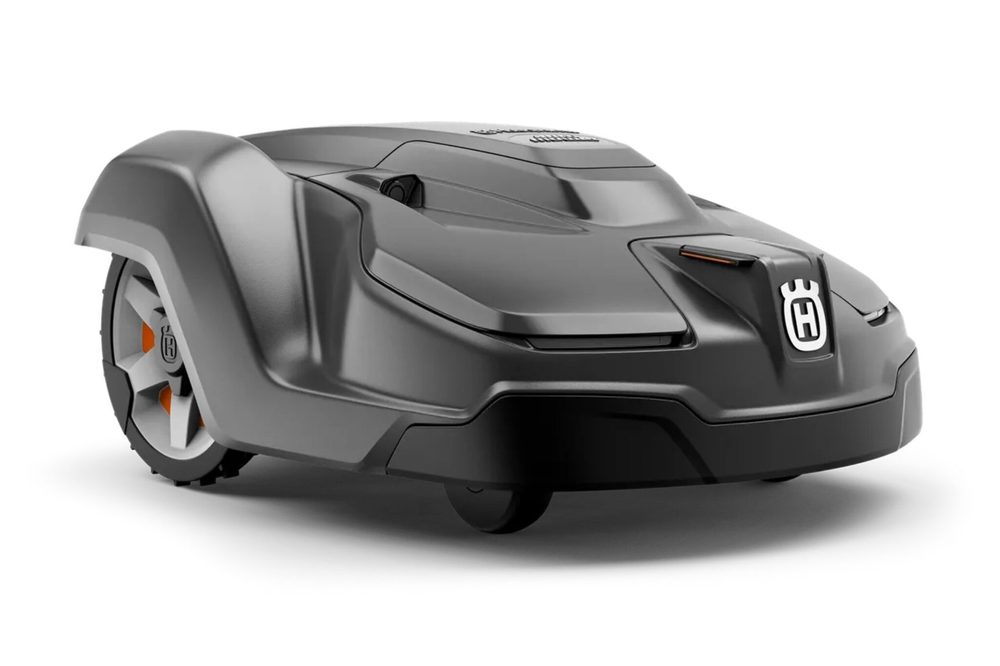
Who it’s forHusqvarna has been building robot mowers longer than almost anyone, and the 430XH shows it. It handles up to 0.8 acre on a boundary wire with GPS-assisted navigation that evens out coverage over the week, and the high-cut XH deck takes taller grass up to 3.6 inches. GPS theft tracking, a PIN lock and an alarm keep it secured. It lists around $2,500, so it is a real investment, and the wire install is a full weekend project.
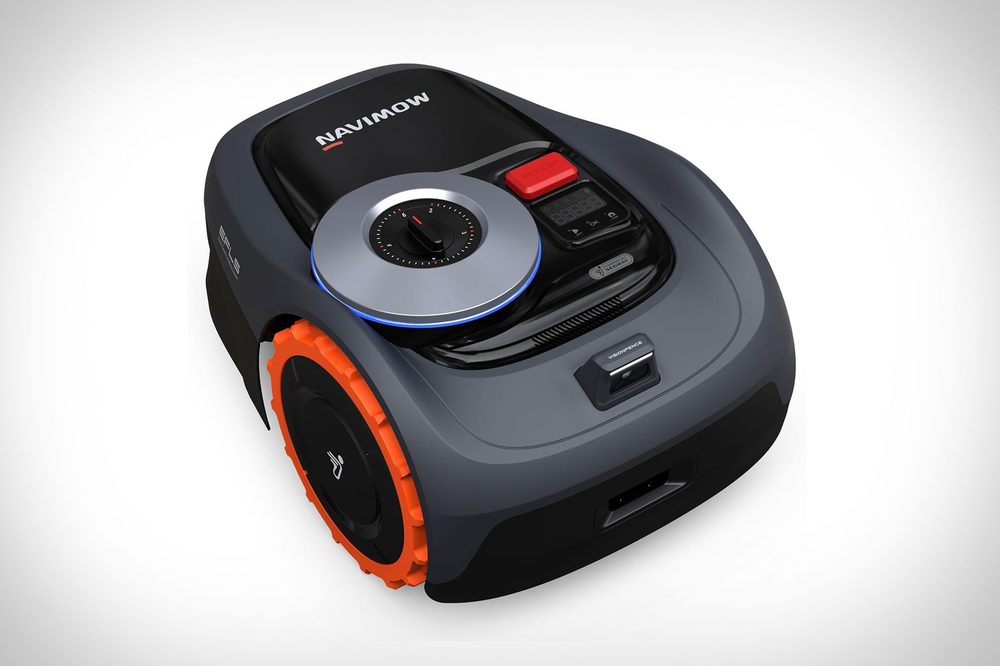
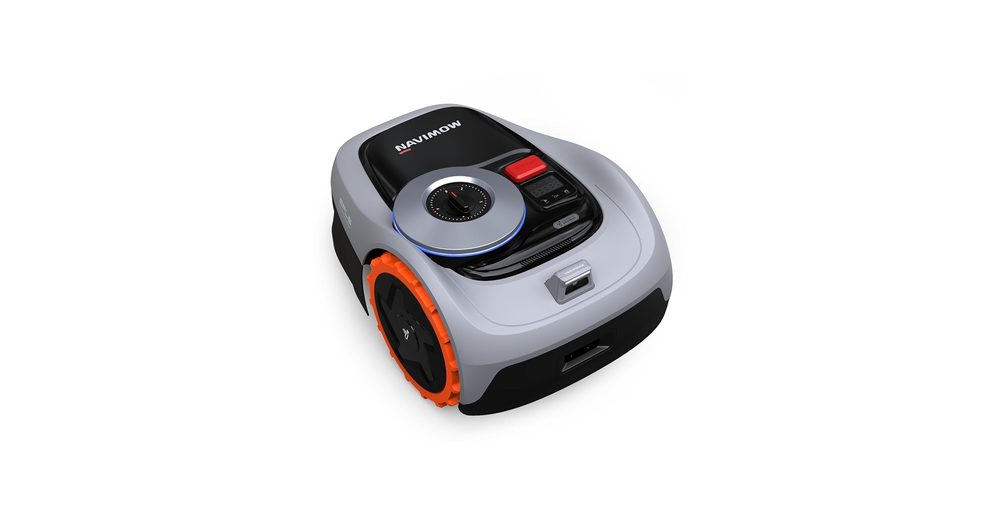
Who it’s forThe i110N is the wire-free answer for a typical quarter-acre suburban lawn. It pairs RTK satellite positioning with a vision camera to hold centimeter-level lines, and the app maps the yard in a few taps with up to 12 zones. VisionFence recognizes 150-plus common yard objects so toys and hoses do not stop the job. It lists at $1,099 and runs about 120 minutes per charge, which covers the full rating for most yards.
Who it’s forBig, rough, sloped property is where the LUBA 2 earns its price. All-wheel drive climbs slopes up to 80% (about 38°) that stop most mowers, and the dual cutting discs span 15.7 inches for fast coverage of up to 1.25 acres. UltraSense AI vision plus RTK maps without a wire, and the mower manages up to 50 zones. It costs about $2,700 (MSRP $2,999), so it is for owners whose lawn a cheaper robot simply cannot handle.
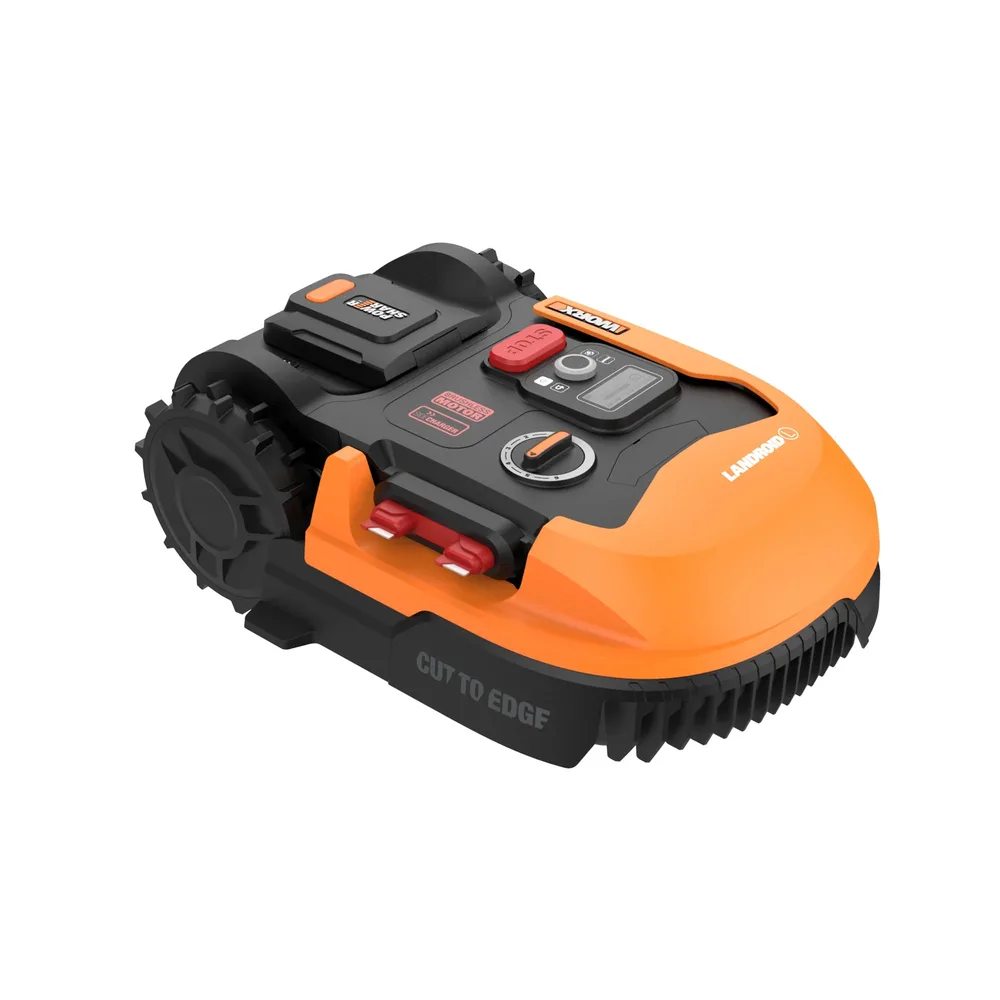
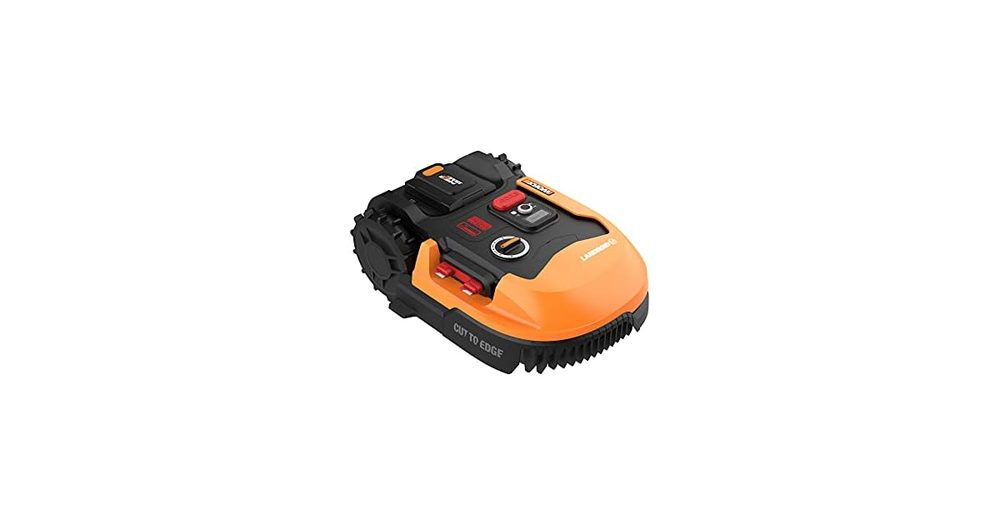
Who it’s forThe Landroid L is the value play for half-acre lawns. It runs on Worx’s 20V PowerShare battery system — the same batteries as the brand’s drills and trimmers — with an 8-inch cut and a floating blade disc that lifts over uneven ground. The AIA navigation handles narrow passages well for a wire-guided mower. It lists at $1,400 but usually sells around $1,100. You still bury a boundary wire, but the kit includes everything.
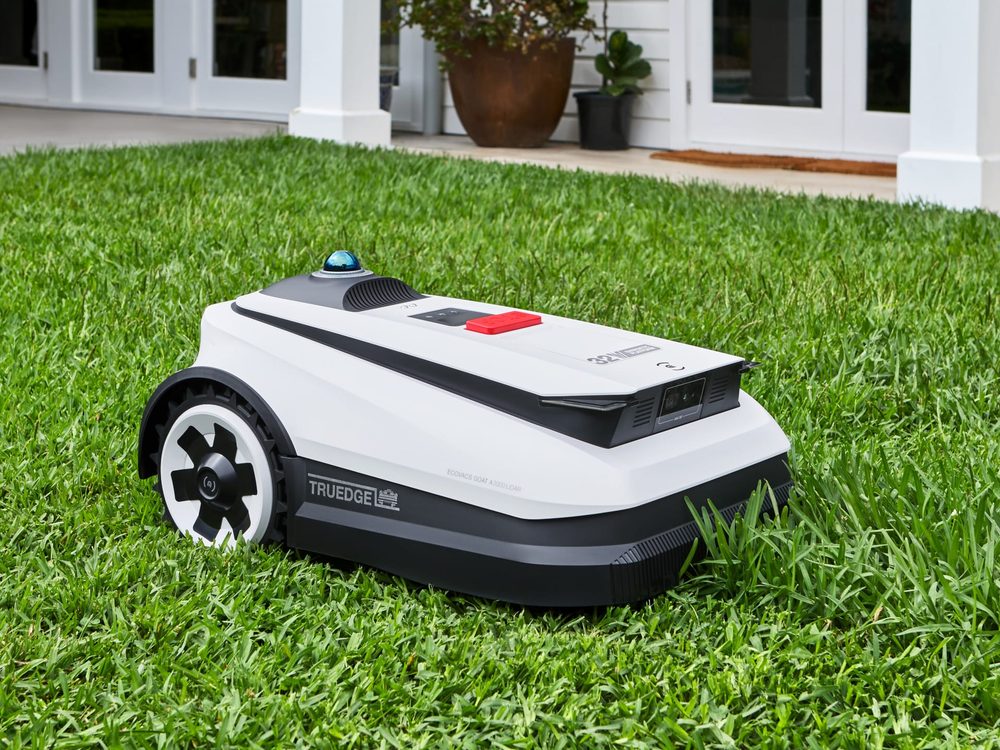
Who it’s forThe GOAT A3000 skips both the wire and the satellite dependency. Dual LiDAR plus a vision camera maps the yard and holds lines under trees and near buildings where RTK models lose signal. It covers 3/4 acre with a 13-inch cutting width, recognizes over 200 obstacle types, and trims close to edges. The 45-minute fast charge and roughly $2,500 list price put it in the premium tier, but yards with heavy tree cover are exactly where it earns that money.
Who it’s forThe 115H is the cheapest way into the Husqvarna system. It uses the same boundary-wire platform as the bigger models, covers up to 0.4 acre, and connects over 4G so the app stays live even when you are away from home Wi-Fi. The high-cut deck reaches 3.6 inches for taller grass types. It costs about $1,000. Coverage is modest and there is no GPS mapping, but for a small simple lawn it is the sensible entry point.
Who it’s forThe i105N brings the same RTK-plus-vision navigation as its bigger sibling down to small city yards and $799. It mows up to 1/8 acre in planned patterns, avoids 150-plus obstacle types with its camera, and stays quiet at 58 dB(A). The battery covers about 60 minutes per charge, so it suits one small lawn worked in sections. If your yard is bigger than the rating, step up to the i110N.
Worx Landroid M 20V Robotic Lawn Mower, 1/4 Acre (WR147)
ASIN B097NJ37R7
Product image: Amazon product media.
Who it’s forThe Landroid M is the right Worx for a standard quarter-acre lot. You get the same 20V PowerShare ecosystem, AIA navigation and cut-to-edge blade design as the larger L, with a 7-inch deck and a 4.0Ah battery sized to the smaller area. It lists at $1,100 and typically sells for less. The wire install is simpler on a small rectangular lawn, which is exactly where this model shines.
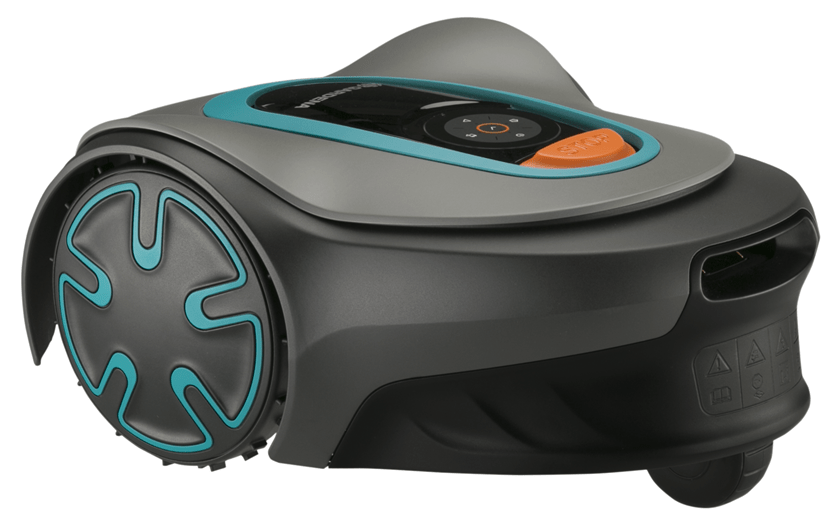
Who it’s forThe Sileno Minimo is built for quiet neighborhoods and small complex yards. At 57 dB(A) it is one of the quietest robot mowers you can buy, so it can run early or late without drawing complaints. It handles slopes up to 35%, mows in rain or shine, and rinses off with a garden hose. The 15202-41 version covers 5,400 square feet for about $1,000. Control is Bluetooth-based, so schedule changes are made while you are standing in the yard.
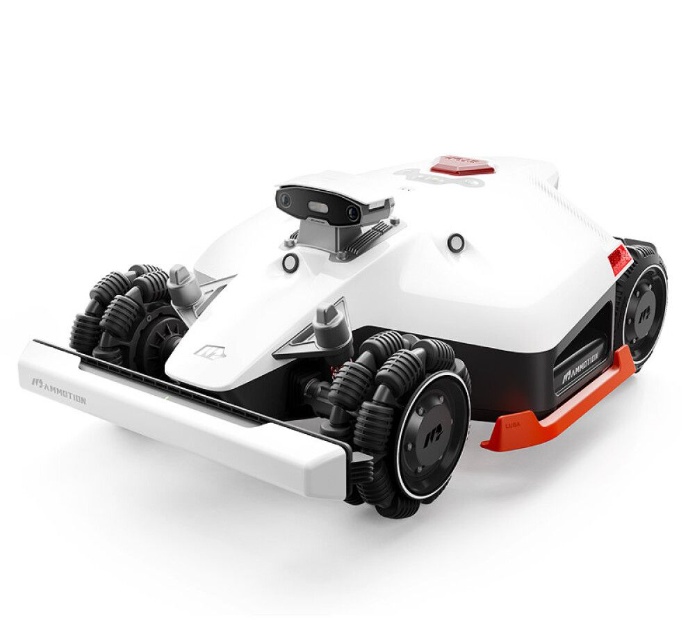
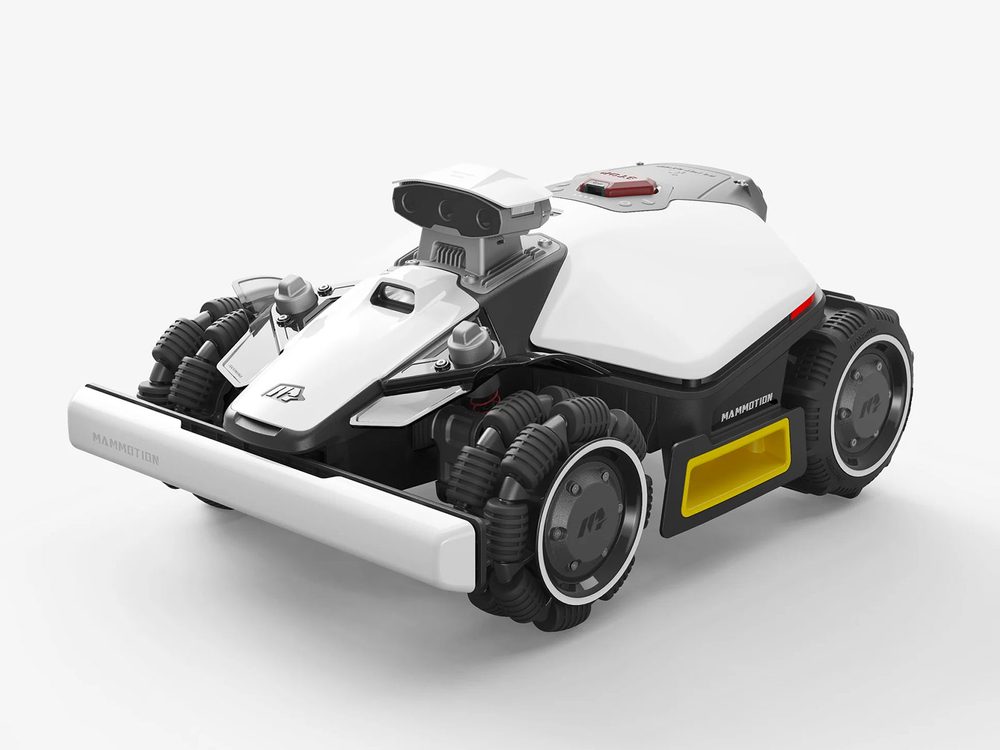
Mammotion LUBA mini 2 AWD 1500 Robot Lawn Mower, Wire Free (0.37 Acre)
ASIN B0GWD8WTXB
Product image: Börger Motorgeräte retail listing.
Who it’s forThe LUBA mini 2 packs the big LUBA’s tech into a smaller body for lawns up to 0.37 acre. It navigates with 360° LiDAR and dual cameras, climbs 80% slopes with all-wheel drive, and cuts with a main disc plus a dedicated edge disc. Cutting height adjusts from the app between 0.8 and 2.6 inches, and it manages up to 20 zones. It costs about $1,600 — expensive for the acreage, but there is nothing else this capable in this size.
Robot mowers are the one lawn tool where the wrong model fails in ways a regular mower never would. Match the machine to the yard first, then compare features.
Boundary wire or wire-free?
Wire-guided mowers need a perimeter wire buried or staked around the lawn — usually a half-day to a full-day job, plus wire repairs if you ever dig. In return they work under trees, in rain and in tight spaces with total consistency. Wire-free models use RTK satellite positioning, cameras, or LiDAR to hold their lines, which means a few taps in the app and no digging. The catch: RTK needs a clear view of the sky, so heavy tree cover favors wire or LiDAR-based models.
Buy one size up on lawn capacity
A mower rated for exactly your lawn size will run long hours with no margin for thick spring growth or hot weather. If your lawn is 1/3 acre, a 1/2-acre mower will finish sooner and wear slower. Measure the grass itself — leave out the house, driveway and beds.
Slope handling matters more than you think
Most robot mowers top out at 20 to 35 percent slopes. If your yard has real hills, only all-wheel-drive models like the Mammotion LUBAs or a true high-slope Husqvarna will stay on them. Underpowered mowers on slopes slip, stall and scalp the grass.
Rain sensors and weather
Most of these mowers are weatherproof and keep working in drizzle, which is fine for mulching short grass. Mowing in heavy rain mats wet grass down and gives an uneven cut, so a rain sensor that pauses the schedule is a genuinely useful feature.
Theft protection
A robot mower sits outside all season. PIN locks stop casual theft from working, and GPS tracking on the higher-end models lets you locate a stolen mower. At minimum, buy one with a PIN code.
App control and zones
The app is the remote control, the schedule and the map all in one. Multi-zone support matters when you have a front yard, back yard and side strip that need different schedules. Bluetooth-only models like the Gardena require you to stand in the yard to make changes; Wi-Fi and cellular models let you adjust from anywhere.
What to avoid
Skip no-name mowers with no app store presence or replacement blade supply — when the company vanishes, so do parts. Avoid buying on brand alone without checking the slope and area ratings against your actual yard. And do not expect a robot to cut tall, neglected grass; it mulches a little off the top every few days, so the first mow of the season should be done with a regular mower.
Specifications are based on published manufacturer and retailer information for the listed models. Check the current product listing for package contents and compatibility before ordering.