From corded workhorses to cordless brushless models, these ten jigsaws cover the cuts a circular saw cannot make: tight curves, sink cutouts, scrollwork and rough openings.
Last updated: September 2026
We may earn a commission if you buy through our Amazon links. It does not change what you pay or how the tools are ranked.
How we sized them up
This is a spec-led shortlist built from published specs and retailer listings. We compared power source, no-load speed range, orbital-action settings, blade-change systems, bevel capacity and line-of-sight features like dust blowers and worklights. A jigsaw lives and dies by how easily it tracks a line and how fast you can swap a blade, so those details weighed more than top-end stroke speed. For breaking down full sheets before the jigsaw work starts, see our guide to the best table saws.
The quick cut
Pick corded or cordless first, then check the orbital settings and blade-change system. Tap any pick to jump straight to the full breakdown.
Ratings move around — see live reviews on the product page
Usually sells around $150 — see the live price below
Product image: Bosch product media.
Why it tops the list
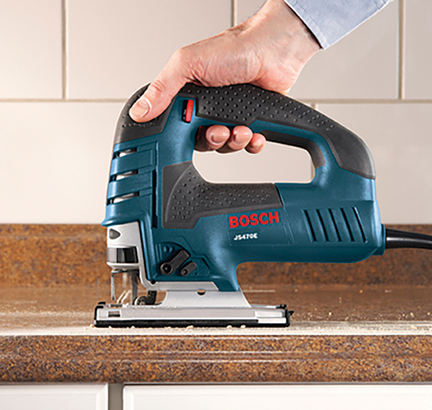
The JS470E is the corded jigsaw everything else gets measured against. The 7-amp motor pulls a blade through 2x framing lumber without slowing down, and the variable-speed dial plus trigger gives you real control at the slow end for metal or tight scrollwork. The one-touch blade system is genuinely one-touch: twist, drop the old blade in, seat the new one. Four orbital settings cover everything from straight chip-free cuts in plywood to aggressive ripping in framing lumber.
The aluminum footplate is big and flat, which is what keeps your bevel honest on long cuts. Vibration is low for a corded saw at this price. It does not ship with a case, and at 6 pounds it is not the lightest saw here, but for a do-it-all jigsaw at a mid-tier price it is the easiest recommendation on the list.
Ratings move around — see live reviews on the product page
Often on sale around $130 bare — see the live price below
Product image: DeWalt product media.
Why it is the cordless to buy
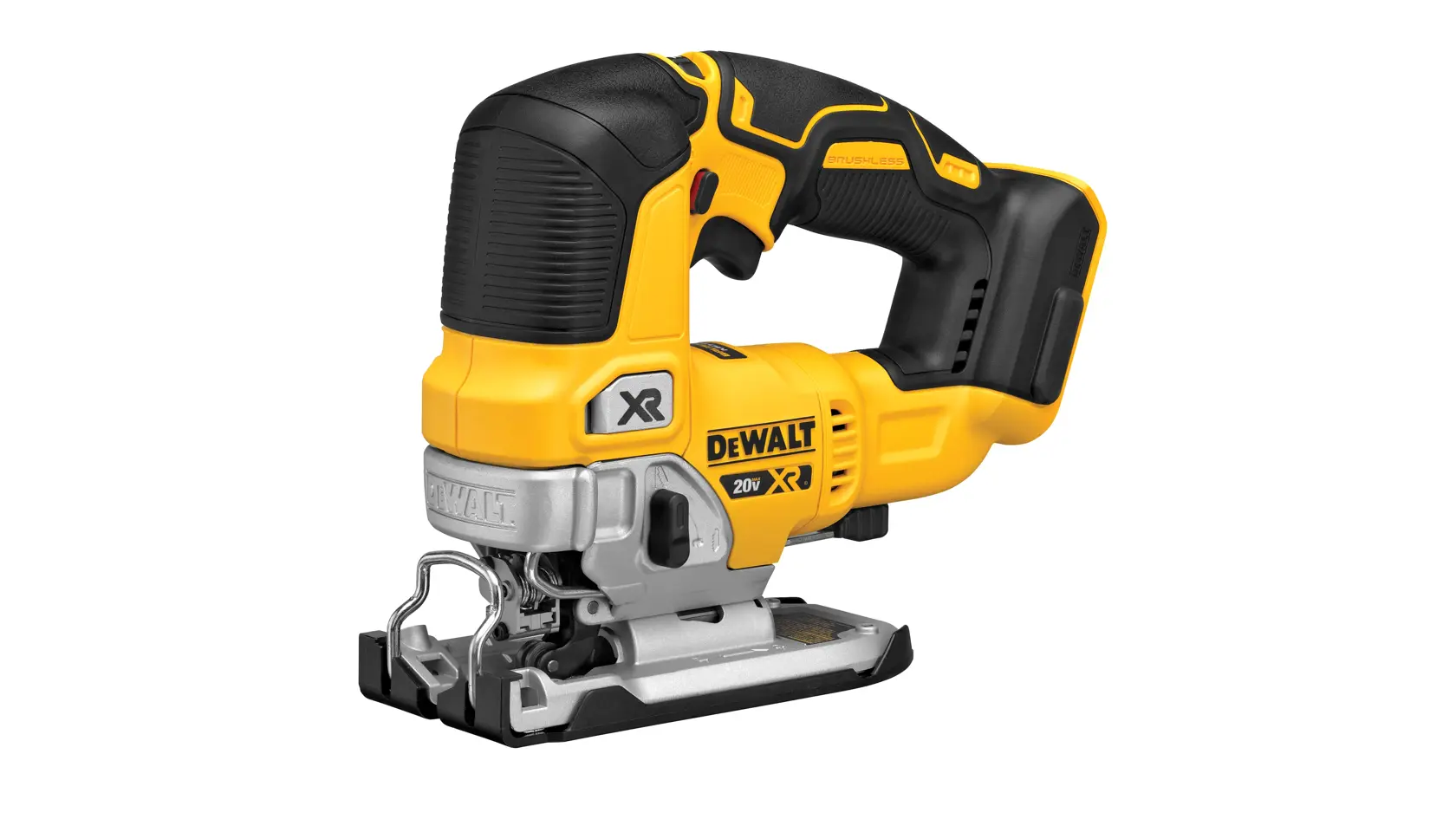
The DCS334B is DeWalt's XR brushless jigsaw, and it does everything the corded crowd does without the cord. The keyless T-shank clamp makes blade swaps fast, the four-position orbit lever covers fine cuts to aggressive ones, and the bevel foot tilts with tool-free detents at 0, 15, 30 and 45 degrees. The dust blower keeps the line visible, and the LED lights it when you are cutting inside a cabinet or under a stair tread.
It runs on the 20V MAX battery line, which is its biggest selling point: if you already own a DeWalt drill or driver, the battery fleet carries over and this is a bare-tool purchase. At roughly 6.4 pounds with a battery it has some heft, and runtime is what it is on a single battery, but for the freedom of cordless cutting it is the one to get.
Ratings move around — see live reviews on the product page
Saw recently on sale around $170 bare — see the live price below
Product image: Bering's retail listing.
Why it is built for all-day work
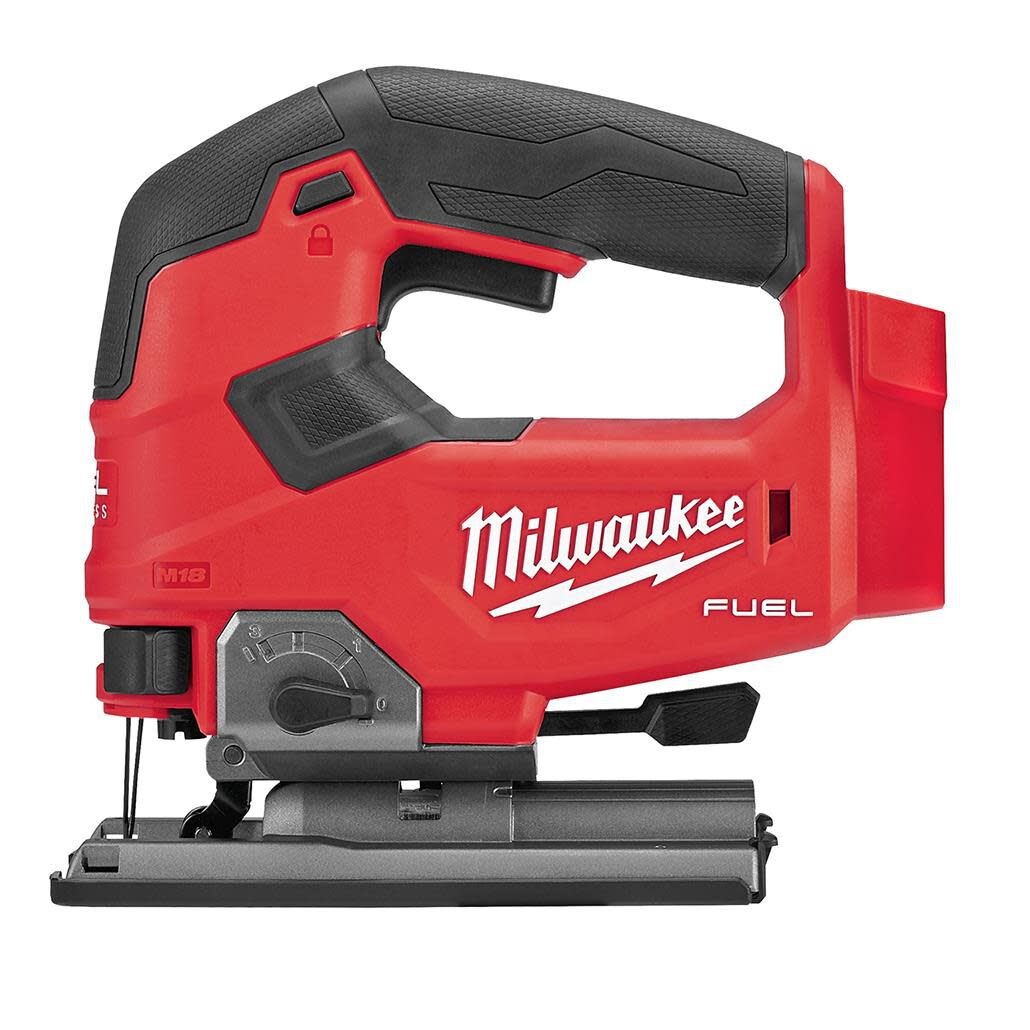
The 2745-20 is Milwaukee's M18 FUEL D-handle jigsaw, aimed at pros who cut all day. The brushless motor spins up to 3,500 strokes per minute, and the four-position orbital action plus a blade-ejection lever make blade changes quick even with gloves on. The bevel detents run through 45 degrees without tools, and the handle-over-blade D grip feels secure on long plunge cuts.
It is a bare tool, so factor in M18 batteries if you are outside the Milwaukee line. It is also priced above the mid-tier cordless picks. What you get is a saw built to survive a jobsite bag: heavy-duty gearbox, tough overmold and the longest warranty story in the red lineup. For weekend work it is more saw than most people need; for a trade worker it is exactly the right one.
Ratings move around — see live reviews on the product page
Check the live price on the product page
Product image: HuntBest retail listing.
Why it is the smooth operator
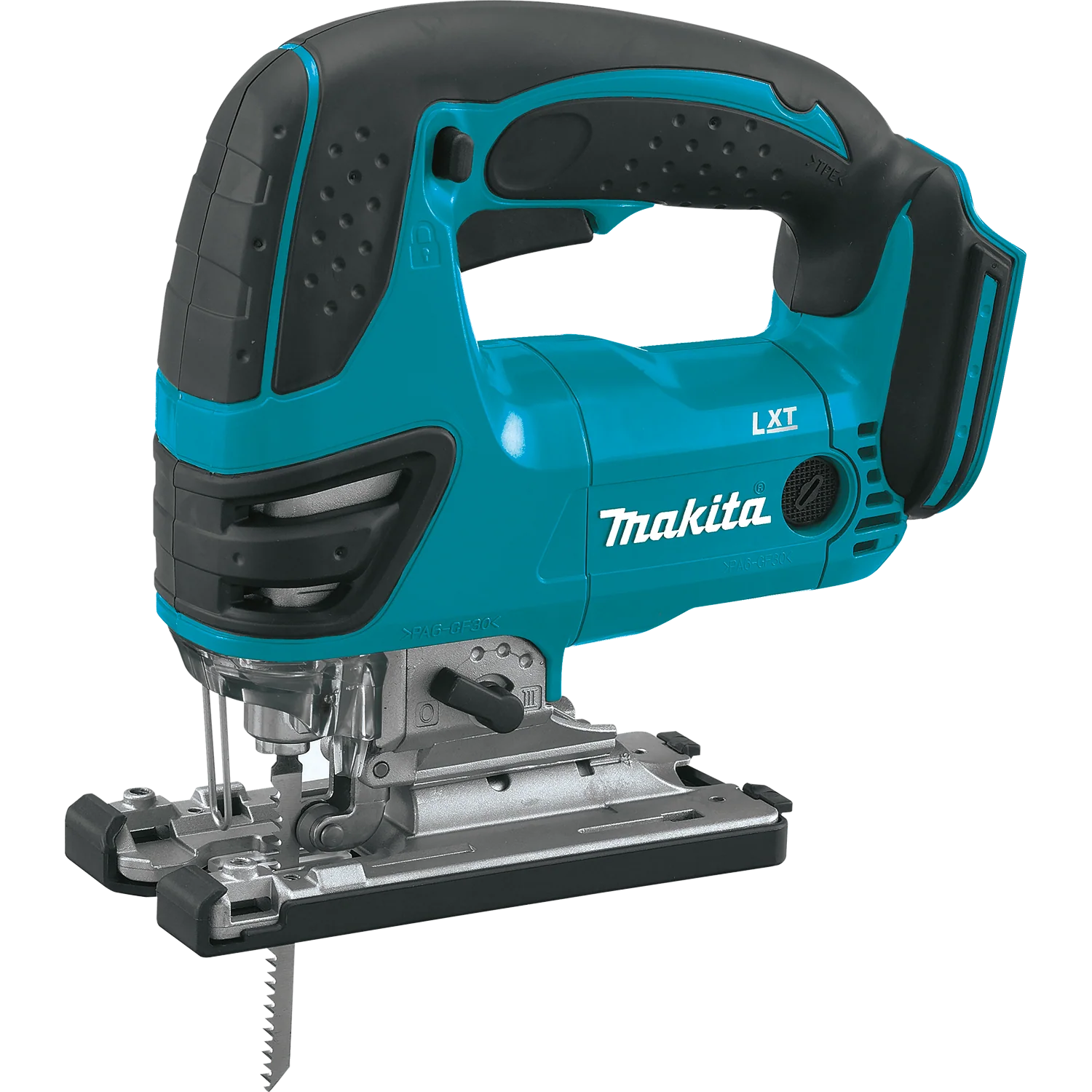
Makita's 18V LXT jigsaw is the one to reach for when the cut will be seen. The 1-inch stroke and soft-start motor keep vibration low, and the three orbital settings plus a straight-cut mode let you dial in clean edges in plywood and laminate without chipping out. The aluminum baseplate sits flat and the bevel adjustment is positive, which matters when you are cutting visible trim.
It tops out at 2,600 strokes per minute, below the speed kings on this list, but that is the trade: slower, steadier strokes. It is a bare tool on the LXT platform, so Makita battery owners get the best deal. For finish carpentry, cabinet cutouts and anything where tear-out would be a problem, this is the safest pick.
Ratings move around — see live reviews on the product page
About $600 for the kit — see the live price below
Product image: Loconsolo Tools retail listing.
Why it costs what it costs
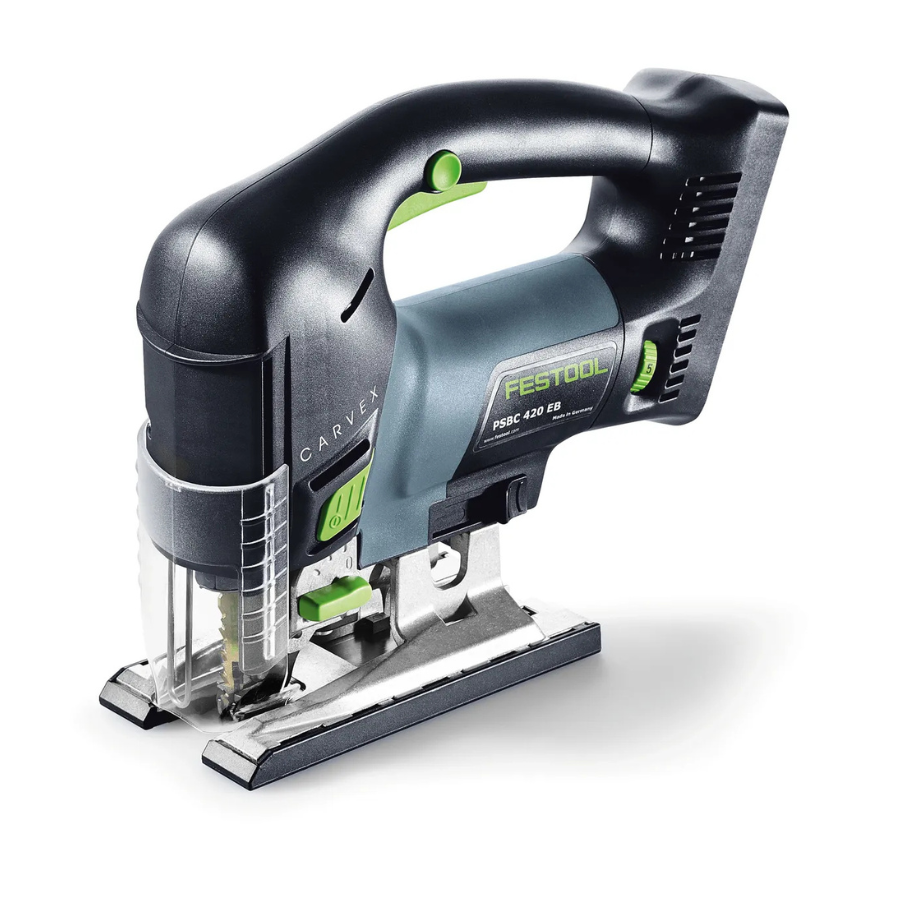
The Carvex is Festool's answer to every complaint about jigsaws. The stroboscopic LED freezes the blade so you can actually see the cut line, the splinter guard and zero-clearance insert keep veneer cuts chip-free, and the base plate swaps between angle and circle guides without tools. It ships as a complete kit with a 4.0Ah battery and charger in a Systainer, which explains most of the price.
The brushless motor reaches 3,800 strokes per minute and dust extraction hooks up to a Festool extractor for genuinely clean work. You are paying for precision engineering and the accessory ecosystem. For a weekend workshop it is a luxury. For anyone cutting curves in expensive sheet goods for a living, the cut quality pays for itself.
Ratings move around — see live reviews on the product page
Usually well under $100 bare — see the live price below
Product image: Ryobi product media.
Why it is the smart cheap cordless
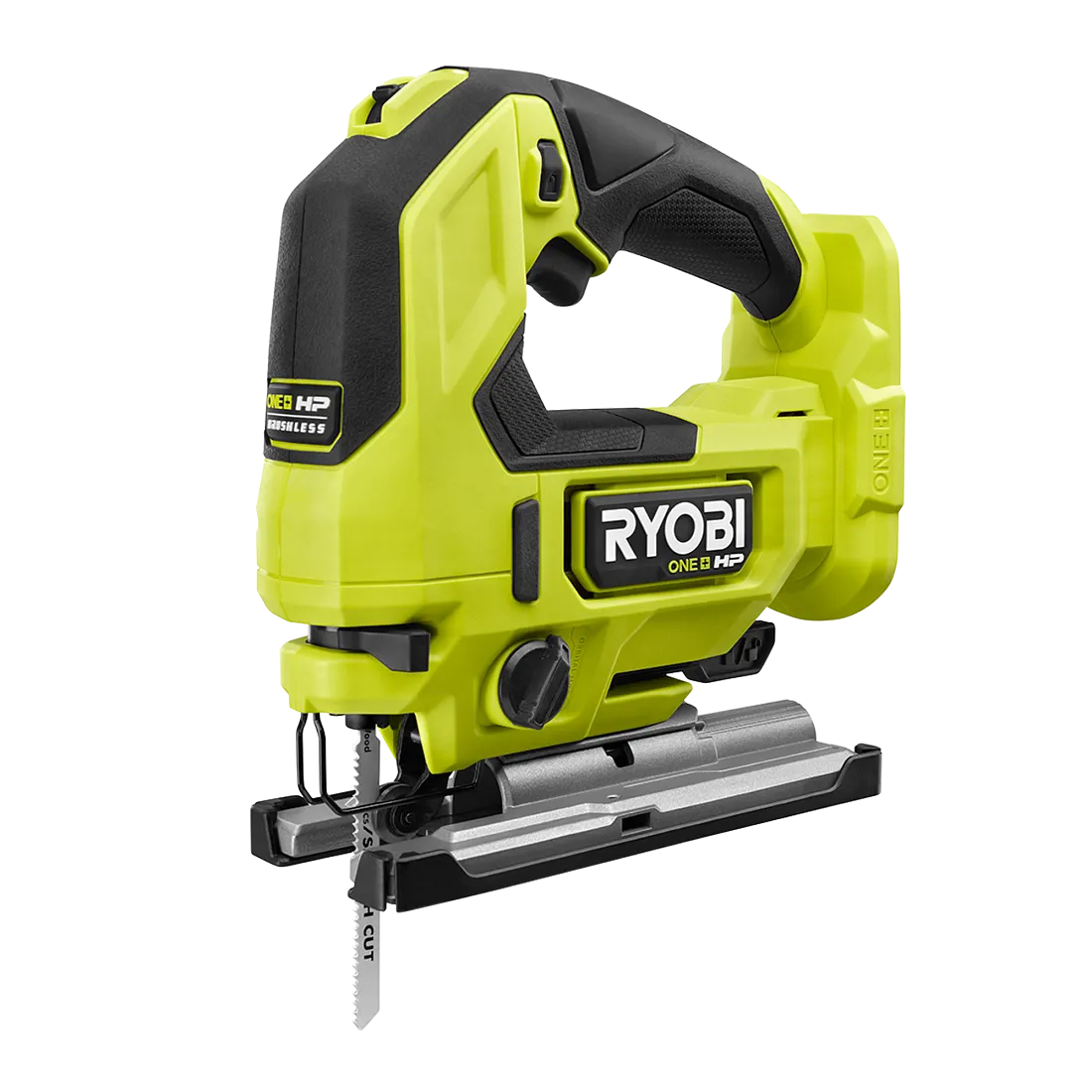
The PBLJS01 brings brushless efficiency to the ONE+ line at a bare-tool price that undercuts everything cordless on this list. The spec sheet is full-sized: 800 to 3,400 strokes per minute, four orbital settings, tool-free bevel to 45 degrees left and right, an LED and a dust blower. It cuts 2x lumber on a fresh battery without drama, and the ONE+ platform has the cheapest spare batteries in the game.
The trade-offs are in feel. The housing is mostly plastic, the base plate is stamped rather than cast, and the blade clamp is not as crisp as the DeWalt's. But for weekend projects — cutting plywood openings, trimming shelving, deck-board notches — it gets the job done for a fraction of the cost. If you already own ONE+ batteries, it is hard to argue with.
Ratings move around — see live reviews on the product page
Check the live price on the product page
Product image: City Mill retail listing.
Why it is the complete kit to watch
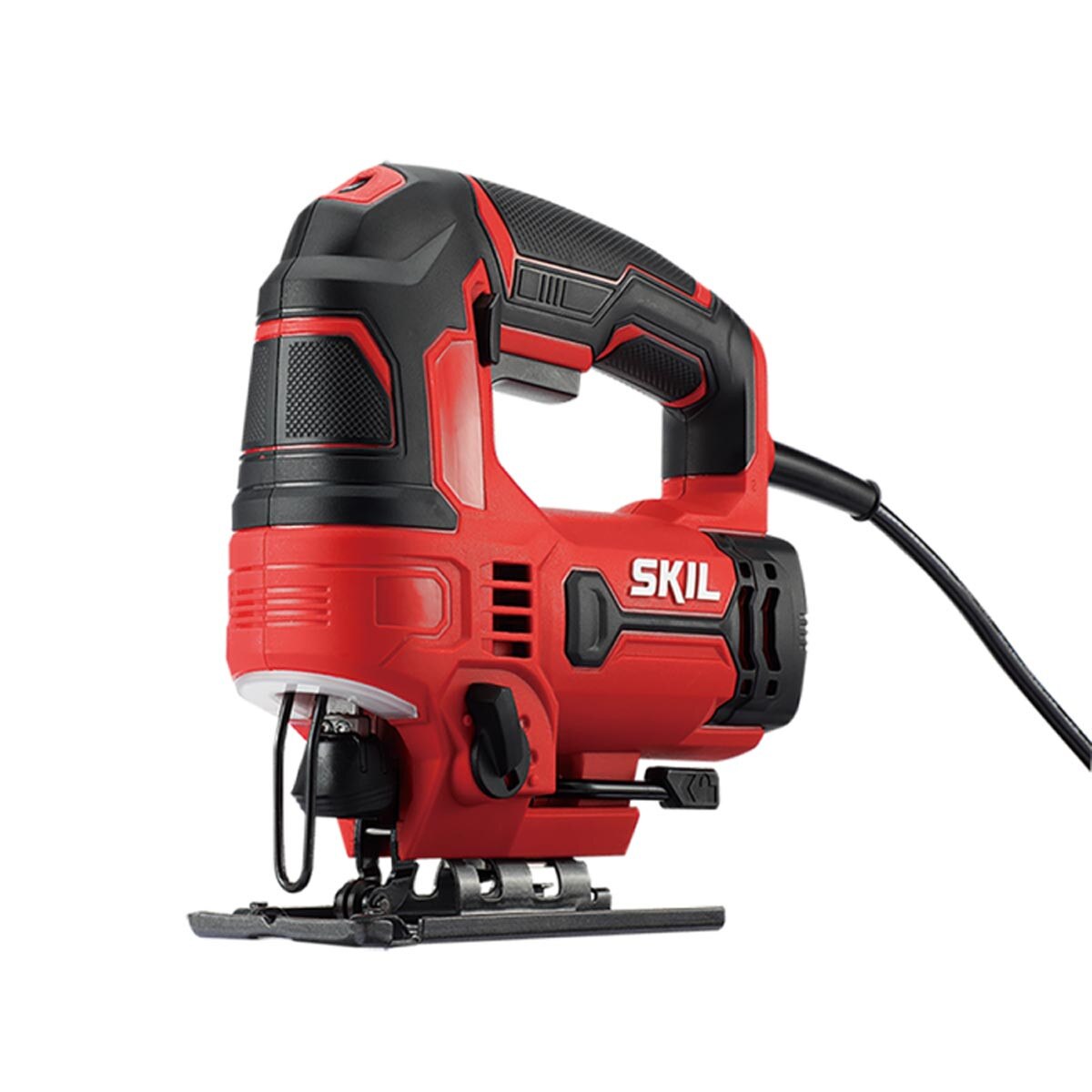
The JS820202 is SKIL's 20V cordless brushless jigsaw sold as a full kit, so you get a battery and charger in the box — no platform commitment required. Four-stage orbital action and a tool-free blade clamp cover the essentials, and the brushless motor tops out at 3,000 strokes per minute with a dust blower to keep the line clear. For someone buying their first cordless jigsaw, the kit-in-one-box convenience is the whole pitch.
SKIL's 20V line is smaller than the big platforms, so if you plan to add drills and drivers later you have fewer siblings to pick from. The build is solid for the price but does not match the refinement of the DeWalt or Milwaukee. As a self-contained first jigsaw, though, it is one of the best deals going.
Ratings move around — see live reviews on the product page
About $40 — see the live price below
Product image: ToolStash product listing.
Why it is enough for light duty
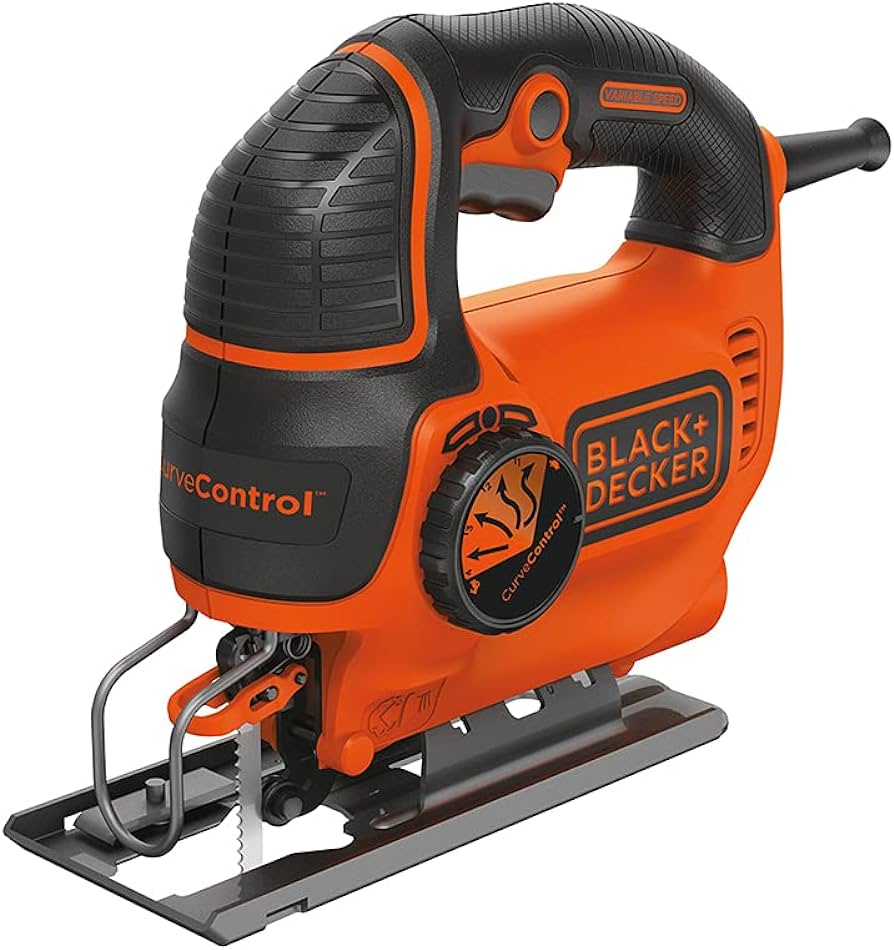
At around forty dollars, the BDEJS600C is the cheapest corded jigsaw worth recommending. The 5-amp motor runs up to 3,000 strokes per minute with four CurveControl settings that dial back the aggressiveness for curves in plywood. It takes both T and U-shank blades, has a tool-free clamp, a dust blower and a wire guard in front of the blade. It weighs 4.6 pounds, lighter than most saws here.
This is a light-duty saw. The baseplate is thin stamped steel that can flex on bevel cuts, the motor bogs in 2x lumber, and there is no variable-speed dial — just trigger control. For occasional curves in 3/4-inch plywood, trim and craft projects, it does fine. If you will cut lumber regularly, step up to the Bosch.
Ratings move around — see live reviews on the product page
Usually around $90–$110 bare — see the live price below
Product image: Walmart retail listing.
Why it is the light one
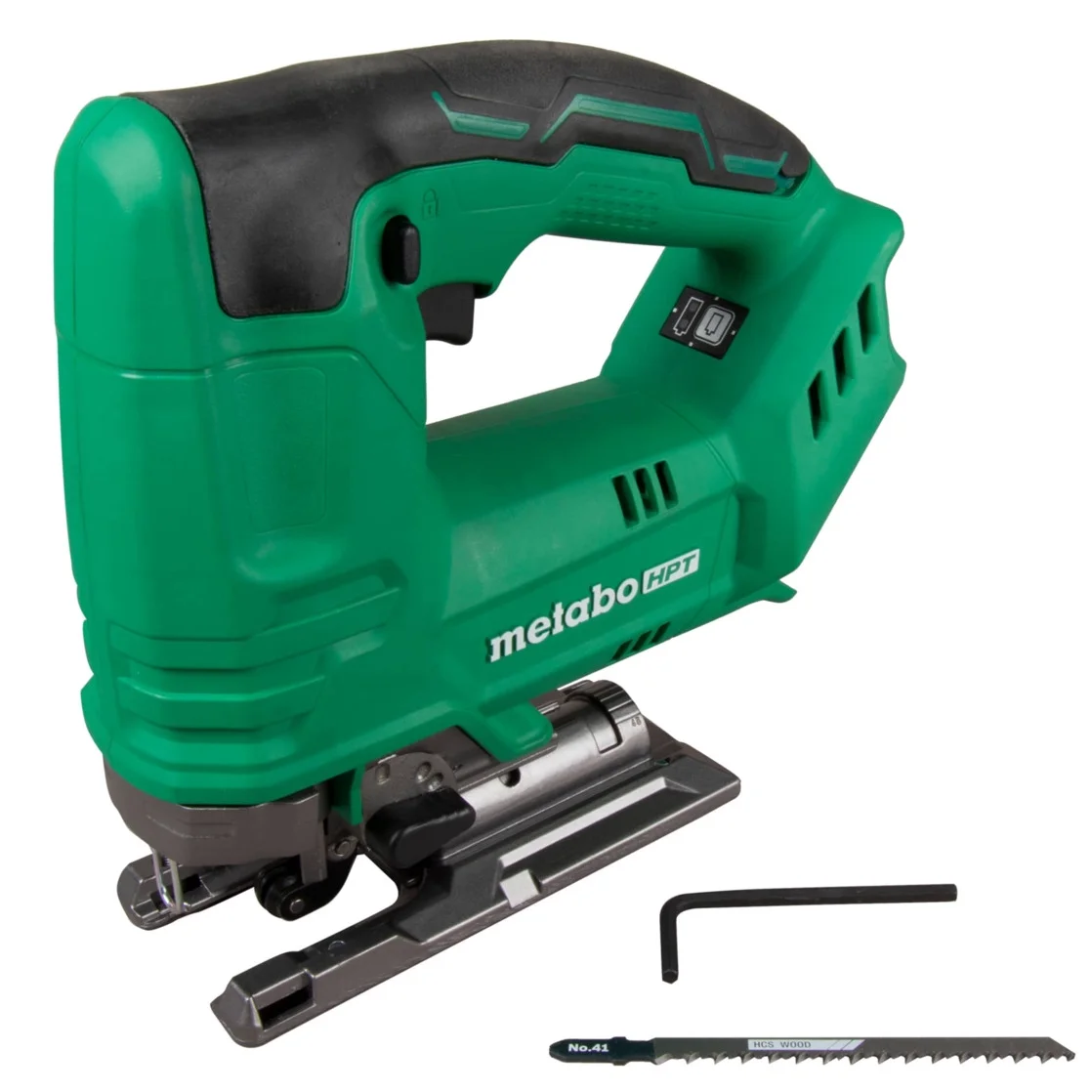
The CJ18DAQ4 is an 18V cordless jigsaw that weighs 4.2 pounds bare, the lightest cordless saw here by a clear margin. It runs up to 2,500 strokes per minute across four cutting modes, with a tool-free blade change, LED worklight and dust blower. It works on Metabo HPT's 18V and MultiVolt batteries, so AC/DC MultiVolt packs carry over too. A lifetime tool-body warranty rounds out the value.
The lower top speed means it does not rip as aggressively as the DeWalt or Milwaukee, and the 18V platform is smaller than the big three. But for overhead cuts, trim work and anything where a heavy saw wears out your arm, the weight difference is real. If ergonomics matter more to you than raw speed, this is the cordless to look at.
Ratings move around — see live reviews on the product page
Check the live price on the product page
Product image: DeWalt product media.
Why the old favorite still works
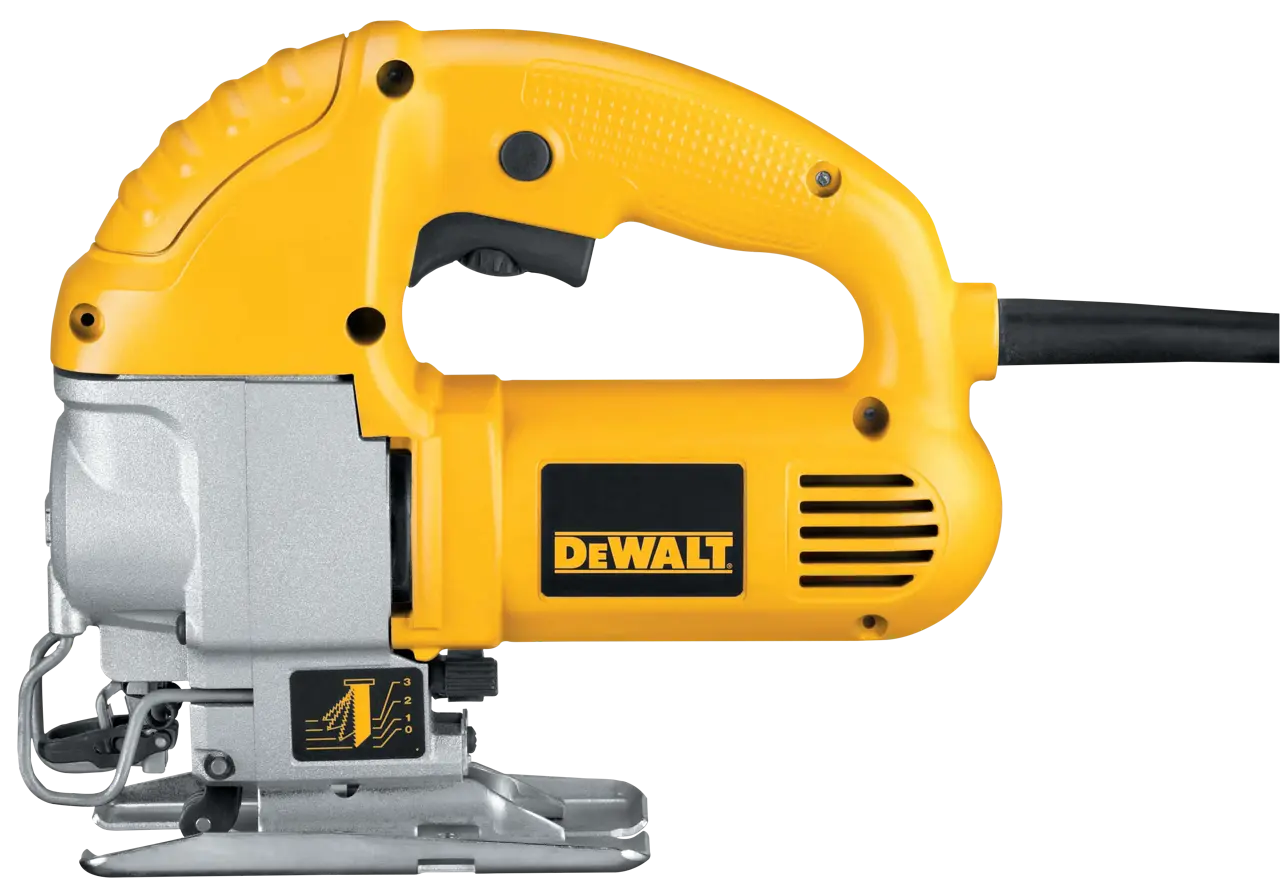
The DW317K has been around for years and still sells because the formula is right: a 5.5-amp motor, variable speed from 0 to 3,100 strokes per minute, four-position orbital action and a 1-inch stroke. The all-metal gear case shrugs off drops, the keyless blade clamp handles T and U-shank blades, and the kit ships with a contractor bag. It is the same basic saw countless contractors have been running for a decade.
It is louder and less refined than newer corded designs, and it lacks the dust blower you get on the DCS334B. But parts availability is excellent and the price usually sits below the Bosch. If you want a proven corded saw that will still be running in ten years, this is it.
A jigsaw is a simple tool, but the details on the box matter more than the horsepower number. Here is what actually separates a good saw from a frustrating one.
Orbital action matters most
Orbital action moves the blade slightly forward on the upstroke, so it cuts aggressively on the push and clears on the return. More settings mean more control: low or off for scrollwork and metal, high for ripping framing lumber. Every saw on this list has at least three settings. Avoid any jigsaw with a single on-off orbital switch — you will chip out plywood on fine cuts.
Look for a tool-free blade change
You will swap blades constantly: wood blades to metal blades, coarse to fine. A lever-style tool-free clamp turns a two-minute job into a five-second one. T-shank is the standard blade mount; U-shank is older but some saws accept both, which is a plus if you inherit blades. Blade ejection, like Milwaukee's lever, is a small thing that saves your fingers on a hot blade.
Check the bevel capacity
All ten saws here bevel to 45 degrees both ways, but how they get there differs. Tool-free detents at common angles (15, 30, 45) keep the shoe locked square — a saw that loosens mid-cut will wreck a bevel. A stamped steel shoe flexes more than a cast or machined one, so heavier work favors a thicker baseplate.
Corded vs. cordless
Corded saws cost less, weigh less and never run down mid-cut. The Bosch JS470E and DeWalt DW317K are the strongest buys here if you work near an outlet. Cordless saws win on convenience — no cord to snag when you are cutting curves — and the brushless models now match corded output. The deciding factor is your battery situation: if you already own a 20V MAX, M18, LXT or ONE+ line, buy the bare tool in your line. If not, the SKIL kit ships with a battery and needs no platform commitment.
Variable speed is non-negotiable
Wood wants speed; metal, plastic and laminate want slow strokes to avoid melting or burning. A dial plus a variable-speed trigger gives you both. Budget saws sometimes ship trigger-only, which is workable but crude. Check the low end of the speed range: the Ryobi starts at 800 SPM while the DeWalt goes down to zero.
Dust blower and extraction
A dust blower puffs chips off the cut line so you can actually see where you are going — it is one of those features you miss immediately on saws that lack it. For dusty indoor work, a saw with a dust port that fits your shop vac keeps the workspace clean. Festool's setup is the most thorough here, but a simple blower covers most weekend work.
What to avoid
Skip no-name jigsaws with screw-type blade clamps — they are slow, they strip and they let blades slip. Avoid saws with a single-speed motor and no orbital control; they cannot cut both wood and metal well. Be wary of saws whose shoe locks with a single cheap screw, since a wobbling bevel makes accurate angled cuts impossible. And do not pay extra for maximum SPM as the headline number: control at low speed matters far more for the cuts a jigsaw actually makes.
*Ratings and prices shift constantly. The numbers on each product page are what count — the links above take you straight there.