Compared & Reviewed: the ten add-ons that make the biggest difference at the saw — push blocks and featherboards for safety, a miter gauge and crosscut sled for accuracy, dado sets, rollers, mobile bases and dust collection.
Last updated: September 2026
We may earn a commission if you buy through our Amazon links. It does not change what you pay or how the tools are ranked.
How we sized them up
This is a spec-led shortlist built from published specs and retailer listings. We compared build quality, compatibility with common saws (jobsite and cabinet), safety benefit, and what owners say about fit and finish. Safety gear and the pieces that keep cuts accurate and repeatable rank ahead of convenience items. If you still need the saw itself, see our guide to the best table saws.
The quick cut
Start with the job you do most, then check fit. Tap any pick to jump straight to the full breakdown.
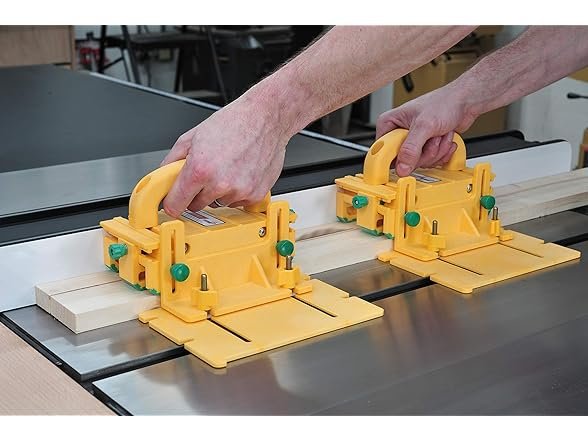
MicroJig GRR-RIPPER Advanced 3D Pushblock (GR-200)
ASIN B0037MEJ2I
Product image: Woot retail listing.
Who it’s forThis is the one accessory most table saw owners buy and never look back on. The GR-200 pushes stock down, in and forward at the same time, so your hands stay on top of the block, well clear of the blade. Thin rips down to 1/4 inch are the signature move. It runs about $90, which is less than a trip to urgent care, and the adjustable legs fit a wide range of stock widths.
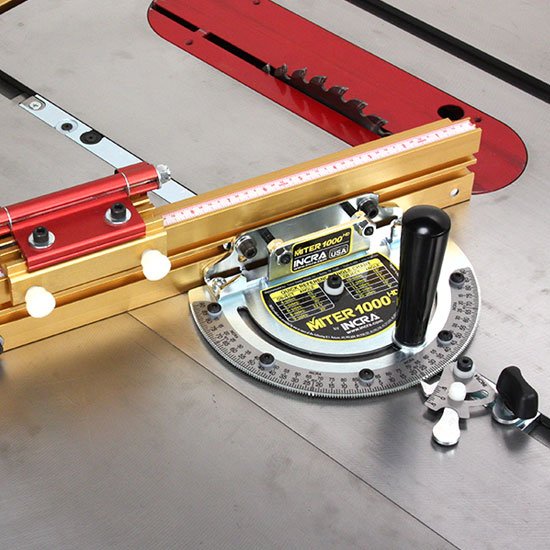
Who it’s forThe stock miter gauge on most jobsite saws is sloppy. The Incra fixes that with 180 machined angle stops, one degree apart, plus a vernier cursor that reads to 1/10 degree. The telescoping fence runs 18 to 31 inches and carries a flip stop for repeatable lengths. GlideLOCK expansion disks dial out bar play in the miter slot. About $140, and it carries a 4.8-star average from buyers.
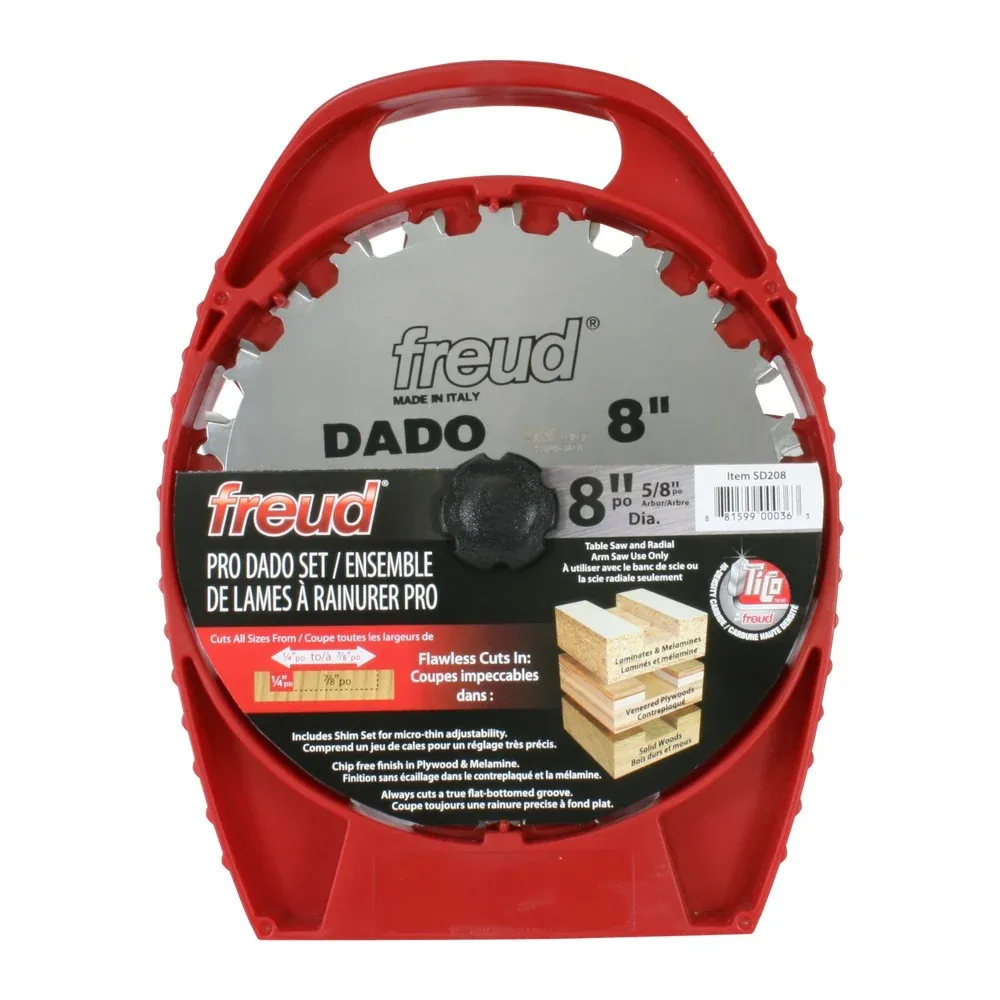
Who it’s forIf you build shelves, drawers or bookcases, a stacked dado set pays for itself. The SD208 cuts grooves from 1/4 to 13/16 inch in 1/16-inch steps, with two outer blades, five chippers, shims and a storage case. Freud’s negative hook angle keeps the bottom of the groove flat and splinter-free. It runs about $100, and the TiCo hi-density carbide holds an edge through plenty of plywood.
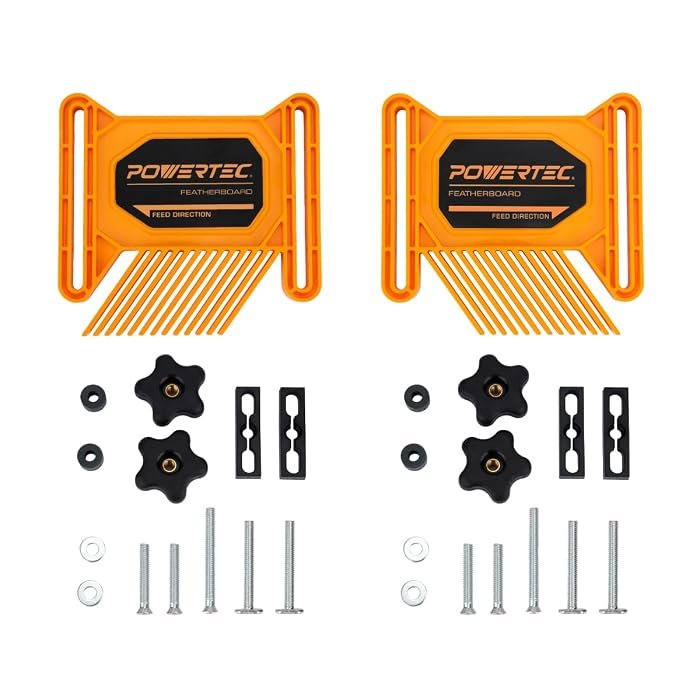
POWERTEC Universal Tandem Featherboards, 2-Pack (71393)
ASIN B084ZF7SWN
Product image: Amazon product media.
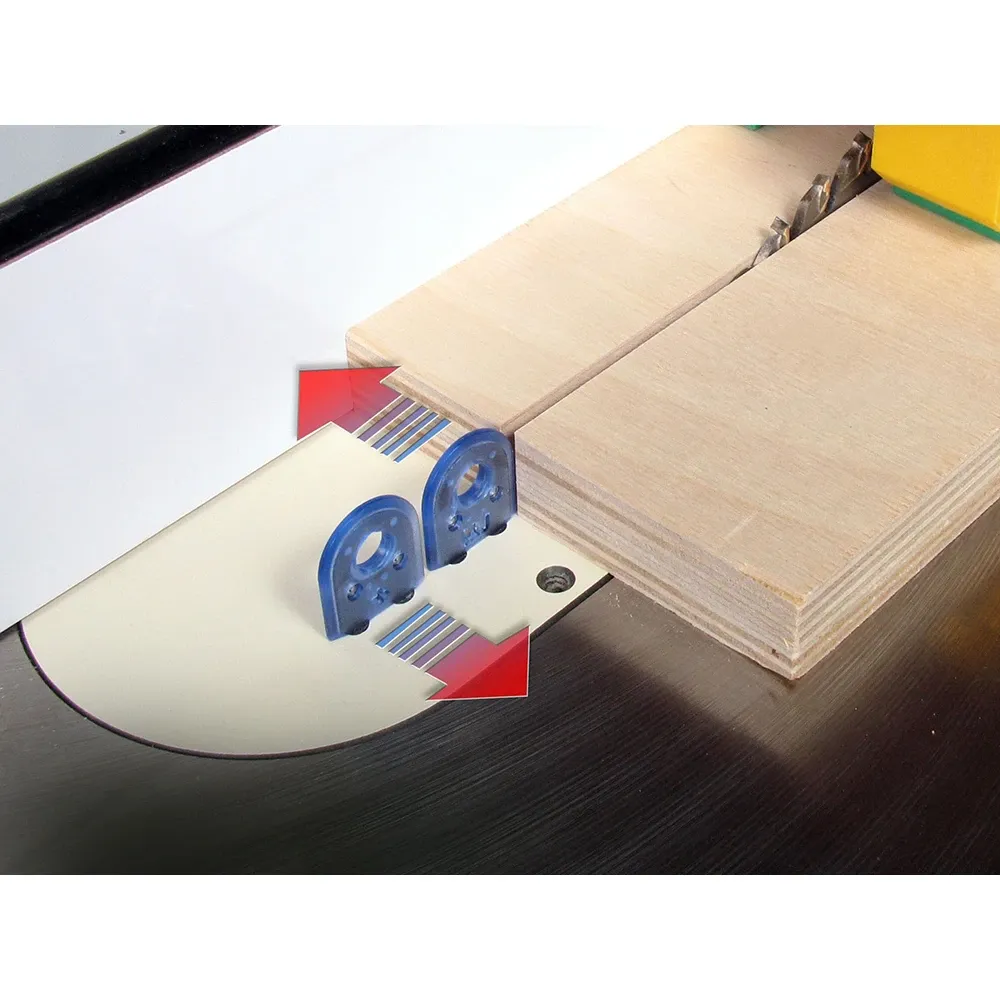
Who it’s forFeatherboards hold stock against the fence and table so it can’t wander or kick back. This two-pack mounts in standard 3/4 x 3/8-inch miter slots or T-track, and the pair can stack for tall stock. The angled fingers feed wood forward while resisting backward movement. About $40 for the pair, and the hardware (knobs, T-bolts, miter brackets) is all in the box.
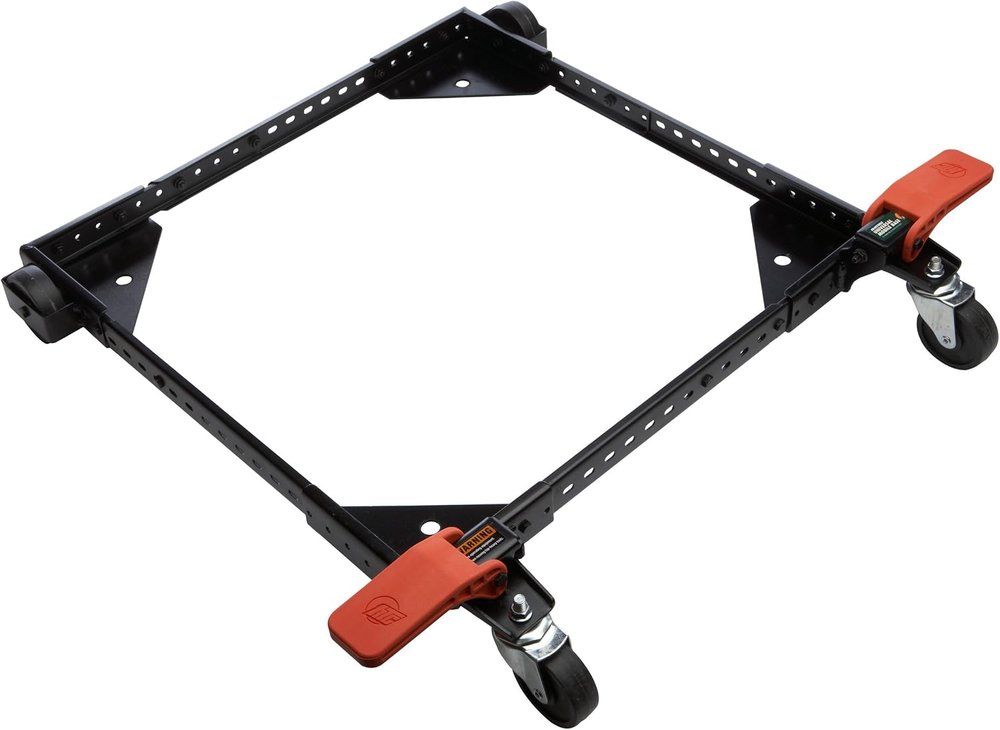
Who it’s forSmall shops need every tool to roll out of the way. The HTC-2000 adjusts from 12x12 to 36x36 inches square (rectangles up to 20x52 inches) with rails drilled every inch, so it fits most contractor saws, bandsaws, planers and drill presses. Four wheels carry up to 500 pounds, and foot levers drop the frame onto floor pads when it is parked. About $60, and it reconfigures for the next machine you buy.
Specifications
Capacity
500 lb
Adjusts
12x12 to 36x36 in. square
Rectangles
Up to 20x52 in.
Locking
Foot-lever floor pads
Pros
Fits a wide range of machine footprints
500-pound capacity covers most saws
Reusable on the next machine
Cons
Assembly instructions are thin
Rails and corner pieces are lighter than welded steel
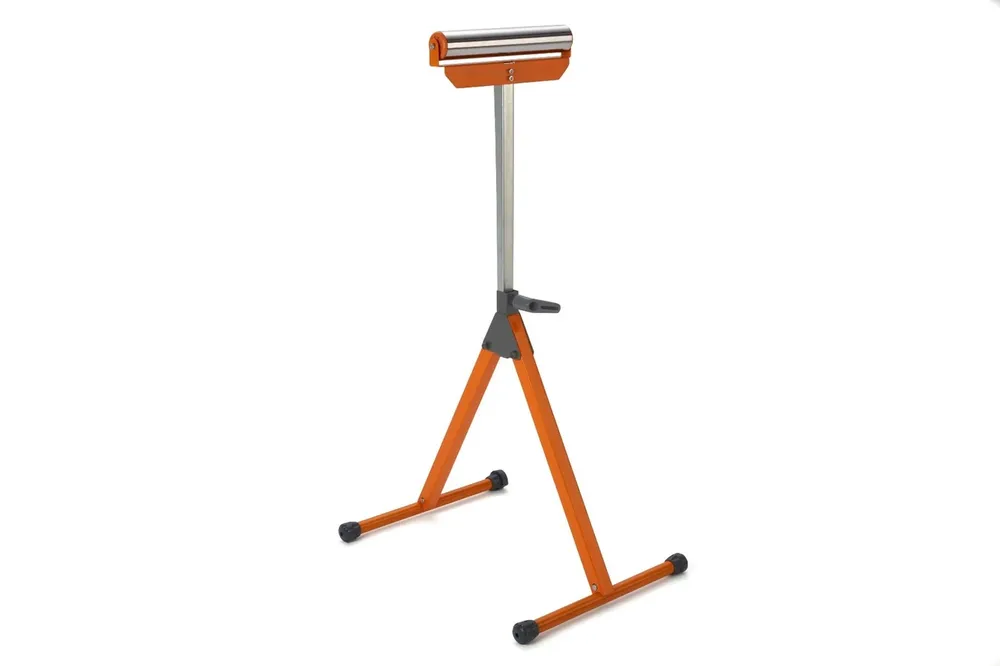
BORA Portamate Adjustable Pedestal Roller Stand (PM-5090)
ASIN B0797KSL6P
Product image: Atlas Machinery retail listing.
Who it’s forRipping full sheets or long boards solo needs outfeed support. The PM-5090 adjusts from 25 to 43¾ inches to match the saw table, and the 11¼-inch ball-bearing roller carries up to 200 pounds with the patented wedge lock. Non-slip rubber feet and an adjustable leveling foot keep it steady on garage floors. About $45, and it folds flat to lean against the wall.
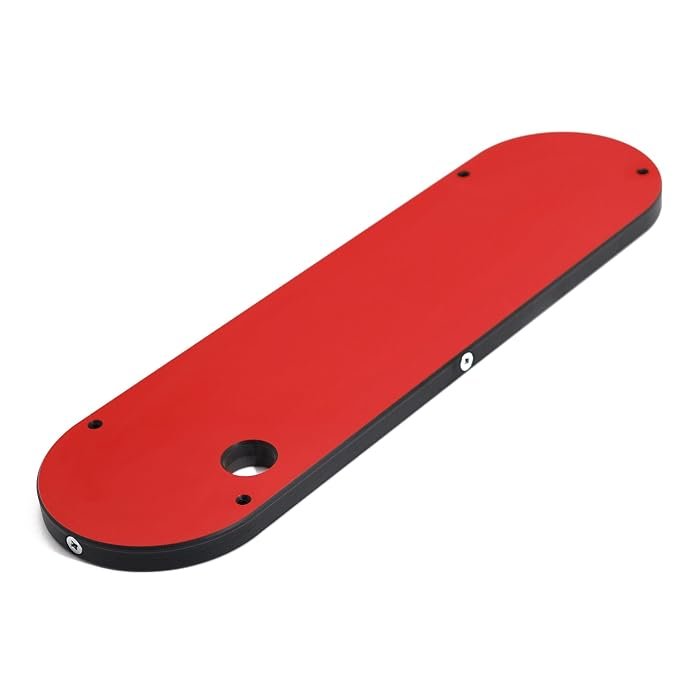
Who it’s forThe stock throat plate leaves a wide gap where thin offcuts drop in and splinters tear out. The DW-2 is machined from high-density phenolic for DeWalt DW744 and DW746 contractor saws, with leveling screws, side snugness screws and a rear safety pin. You raise your own blade through it to cut a kerf that matches exactly. About $35, and it is the cheapest way to get cleaner plywood edges.
Specifications
Material
Phenolic laminate
Fits
DeWalt DW744, DW746 (measure first)
Adjustment
Leveling + side snugness screws
Safety
Rear safety pin
Pros
Kerf cut to match your exact blade
Cuts tear-out on plywood and veneer
Leveling screws keep it flush with the table
Cons
Made for specific saws — measure the opening first
One insert per blade; dado cuts need a separate plate
Who it’s forOlder saws and any zero-clearance setup lose the riving knife. The MJ Splitter mounts into a zero-clearance insert with the included drill guide and keeps the kerf from closing on the blade, which is what causes kickback. The full-kerf SP-2 fits 1/8-inch kerf blades, with a stainless steel core inside a polycarbonate body. Kerf keepers are included for reactive hardwoods. About $40 for the kit.
Specifications
Kerf
Full kerf, 1/8 in.
Build
Polycarbonate shell, steel core
Contents
4 splitters, kerf keepers, drill guide, bit
Mount
Drills into a zero-clearance insert
Pros
Anti-kickback protection without a riving knife
Installs with the included drill guide
Kerf keepers for stressy hardwoods
Cons
Requires a zero-clearance insert to mount in
Match the splitter to full-kerf or thin-kerf blades
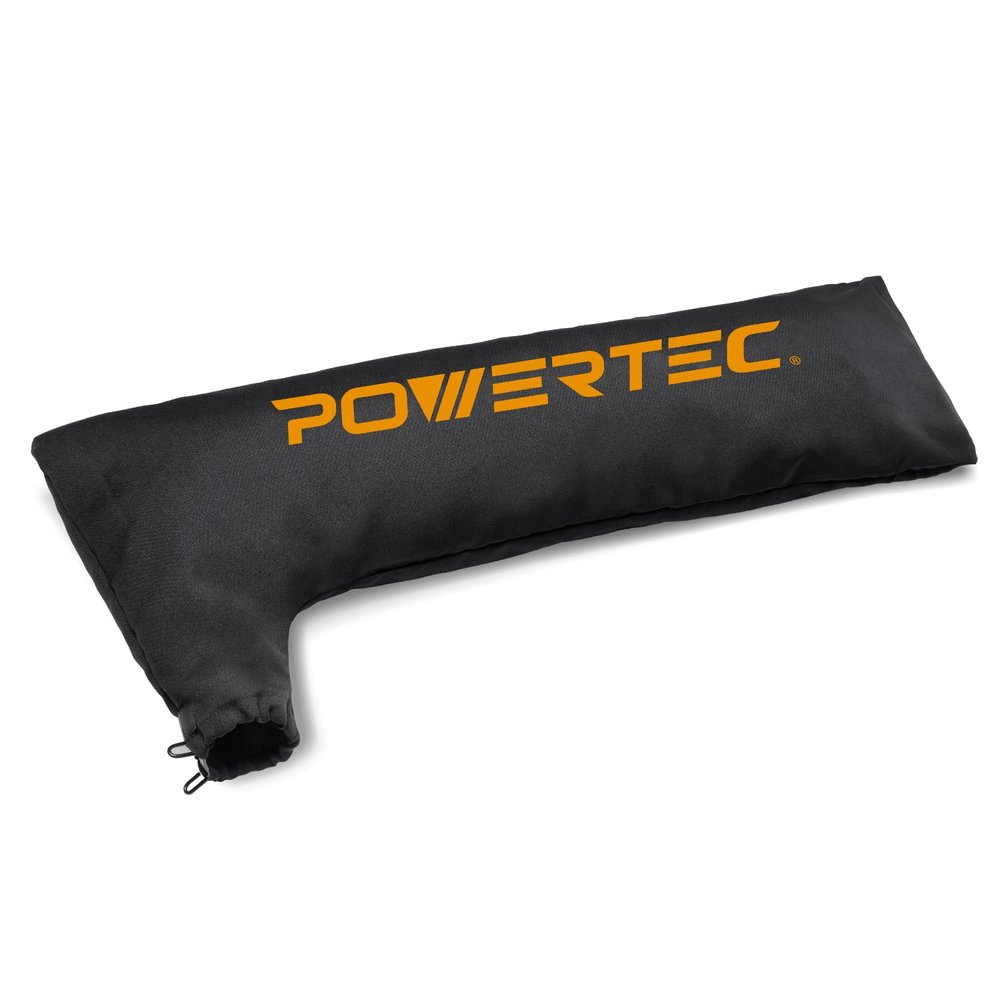
Who it’s forJobsite saws come with a stubby dust chute and nothing to catch the dust. This bag clamps onto any 2½-inch dust port (it stretches to 2.687 inches), catches up to 70 percent of the dust per the maker, and empties through a bottom zipper. It fits DeWalt, Bosch, Skil, Delta and other saws with the standard port. About $20, and it is the simplest dust upgrade a jobsite saw can get.
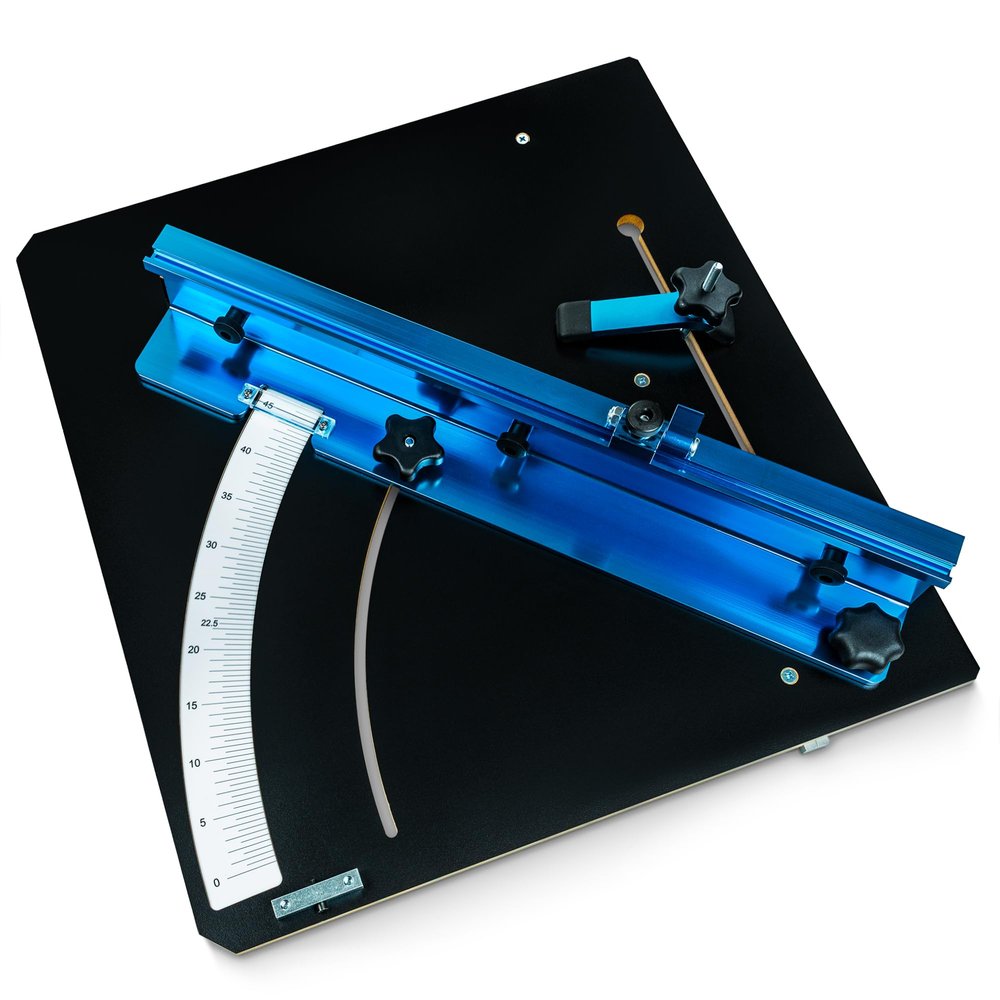
Who it’s forA crosscut sled makes repeatable 90-degree cuts that a miter gauge can’t match, and it doubles as a zero-clearance platform. This kit ships with a 23-13/16-inch melamine base, a 24-inch extruded aluminum fence, an adjustable 90-degree stop, a flip stop for repeated lengths and a hold-down clamp. The base gets trimmed to your saw and blade on first use. About $200, and it is sized for full-size cabinet and contractor saws with a standard 3/4 x 3/8-inch miter slot.
Accessories fail when they don’t fit the saw. Check the saw type first, then the slot and port sizes.
Safety gear comes first
A good push block, featherboards and a splitter do more for you than any accuracy upgrade. Buy these before the miter gauge or dado set. Kickback injures people; a wobbly miter cut just wastes lumber.
Jobsite vs. cabinet saws
Compact jobsite saws use smaller tables and often non-standard miter slots, so measure yours before ordering a gauge, sled or insert. Big crosscut sleds belong on full-size contractor or cabinet saws. Most jobsite saws use 2½-inch dust ports; cabinet saws usually take 4-inch hose.
Dado stacks: fit and rules
An 8-inch stacked dado set needs a saw with an arbor long enough to take the stack — check the manual for the maximum stack width. You will also need a dado throat insert, and the riving knife and blade guard come off during dado cuts. Some saws, including the SawStop compact model, do not support dado blades at all.
Dust collection sizing
Match the attachment to the port. A 2½-inch bag like the POWERTEC 75074 is enough for a jobsite saw. For a cabinet saw, plan on 4-inch hose to a real dust collector. Bags fill fast and fine dust still gets through, so wear a respirator either way.
What to avoid
Skip no-name push sticks with thin handles, mobile bases with tiny hard-plastic casters, and “universal” zero-clearance inserts that don’t name your saw model. Buy the insert made for your saw, measure the throat opening before ordering, and cut a fresh kerf for each blade angle.
Specifications are based on published manufacturer and retailer information for the listed models. Check the current product listing for package contents and compatibility before ordering.