Best Reciprocating Saws 2026 — Compared & Reviewed
A reciprocating saw is the tool you reach for when something has to come apart: studs, pipe, tree limbs, a rotted deck railing. These ten cover corded workhorses, full-size cordless saws and cheap kits for the occasional tear-out.
Last updated: September 2026
We may earn a commission if you buy through our Amazon links. It does not change what you pay or how the tools are ranked.
How we sized them up
This is a spec-led shortlist built from published specs and retailer listings. We compared power source, strokes per minute, stroke length, blade-change system, orbital action, weight and length, and whether the box includes a battery and charger. For most DIYers, the right power platform and a quick blade-change system matter more than a few hundred extra SPM. Several of these saws are bare tools, so check the package contents before ordering.
The quick cut
Start with the power source you want, then check the stroke length. Tap any pick to jump straight to the full breakdown.
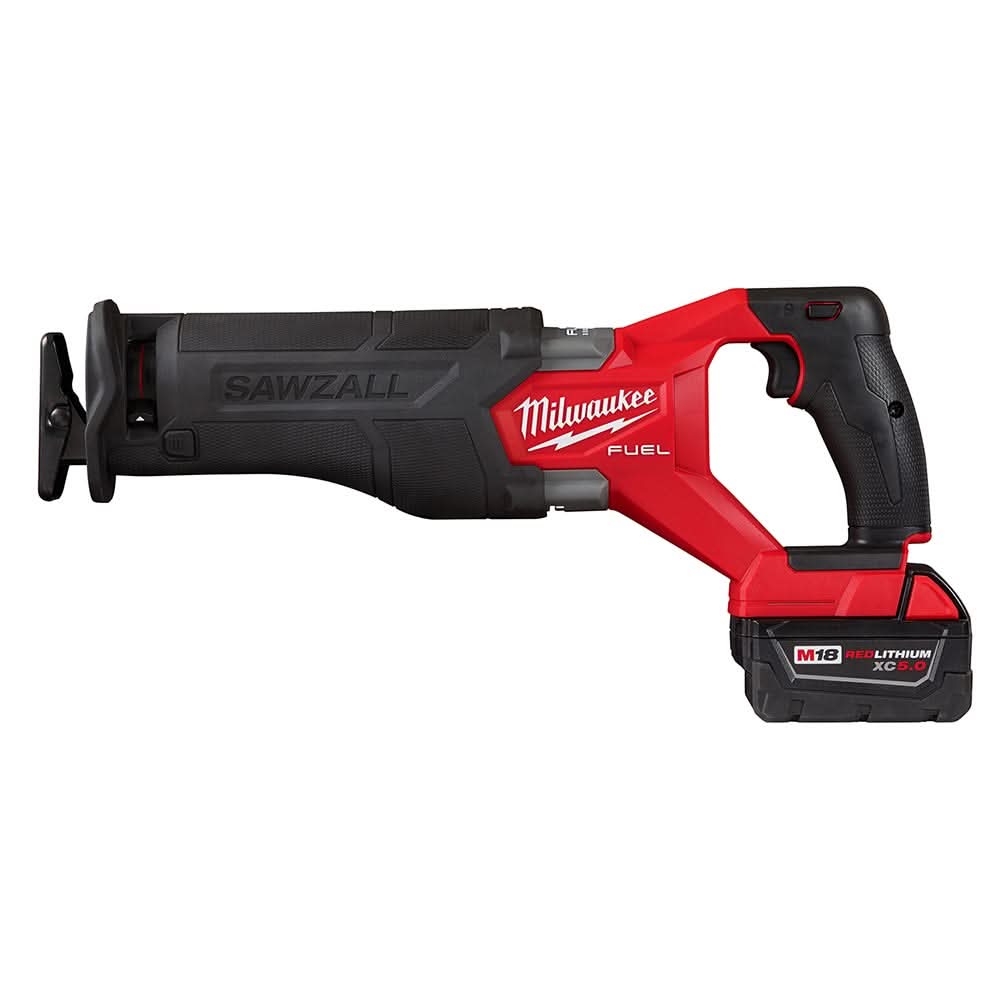
Who it’s forThe easy top pick for anyone already on the M18 platform. The 1¼-inch stroke is the longest in this group and moves more material with every pass, which is what you want when a demo day turns into a long day. The QUIK-LOK lever clamp and adjustable shoe are the details that matter, and the ONE-KEY version adds tool tracking if your saws travel between sites. Sold as a bare tool, so most DIYers add it after they are already in the M18 system.
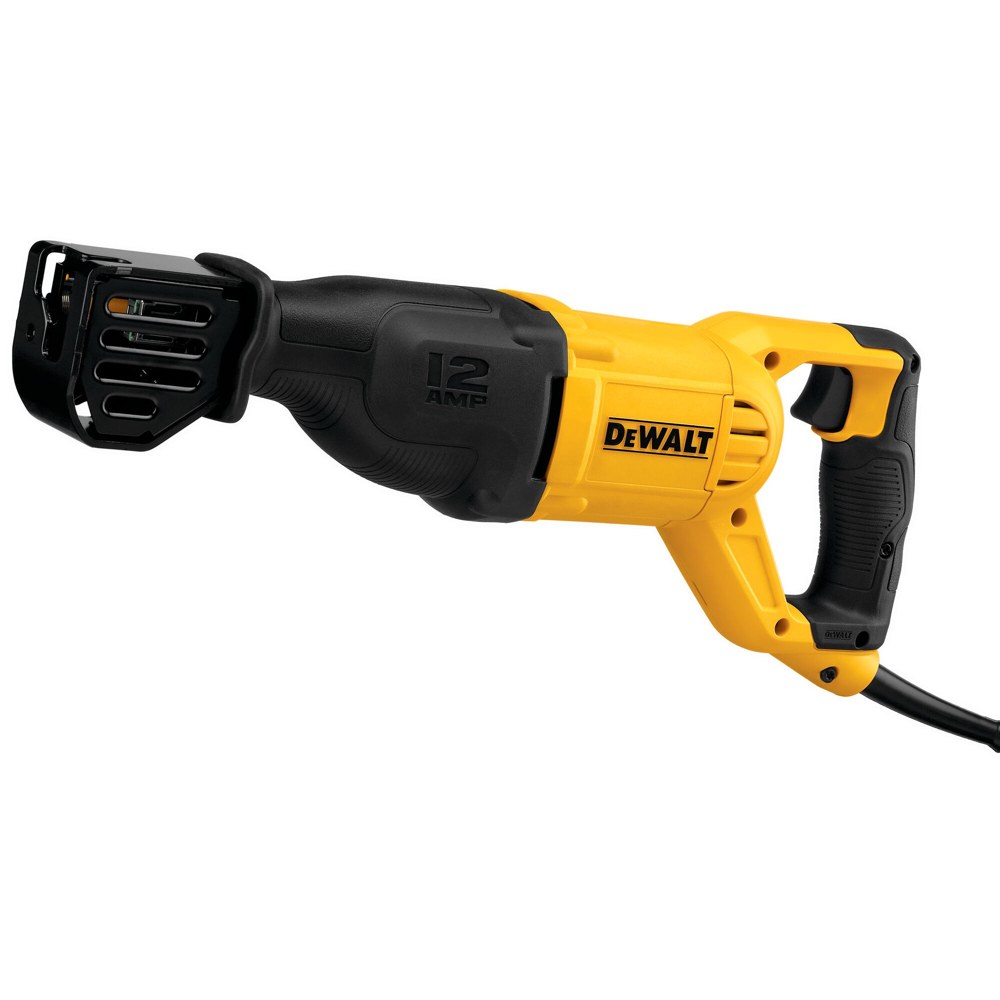
Who it’s forIf the saw lives near an outlet, a cord still beats a battery. The DWE305 is DeWalt’s compact 12-amp corded saw, and it skips the fancier features — no orbital action, no variable-speed dial — in favor of a simple variable-speed trigger and a 4-position blade clamp that lets you rotate blades for flush cuts. For a weekend of tearing out a bathroom, unlimited runtime wins over portability.
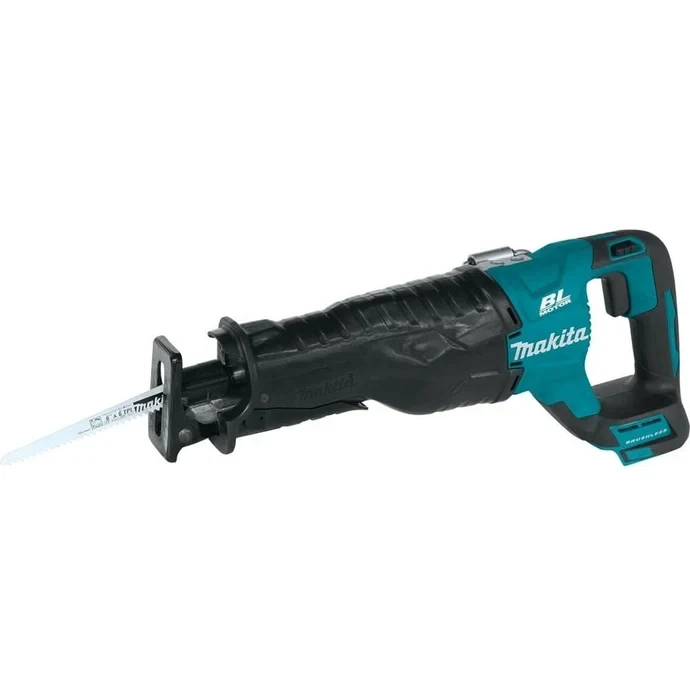
Who it’s forMakita’s answer to the full-size cordless saw, and it shares the Milwaukee’s 1¼-inch stroke. The two-speed switch is the useful part: low speed for metal and pipe, high speed for framing and demo. The tool-less blade change is quick, and the refined crank design is meant to keep vibration down. Sold as a bare tool, so it only makes sense if LXT batteries already live in your shop.
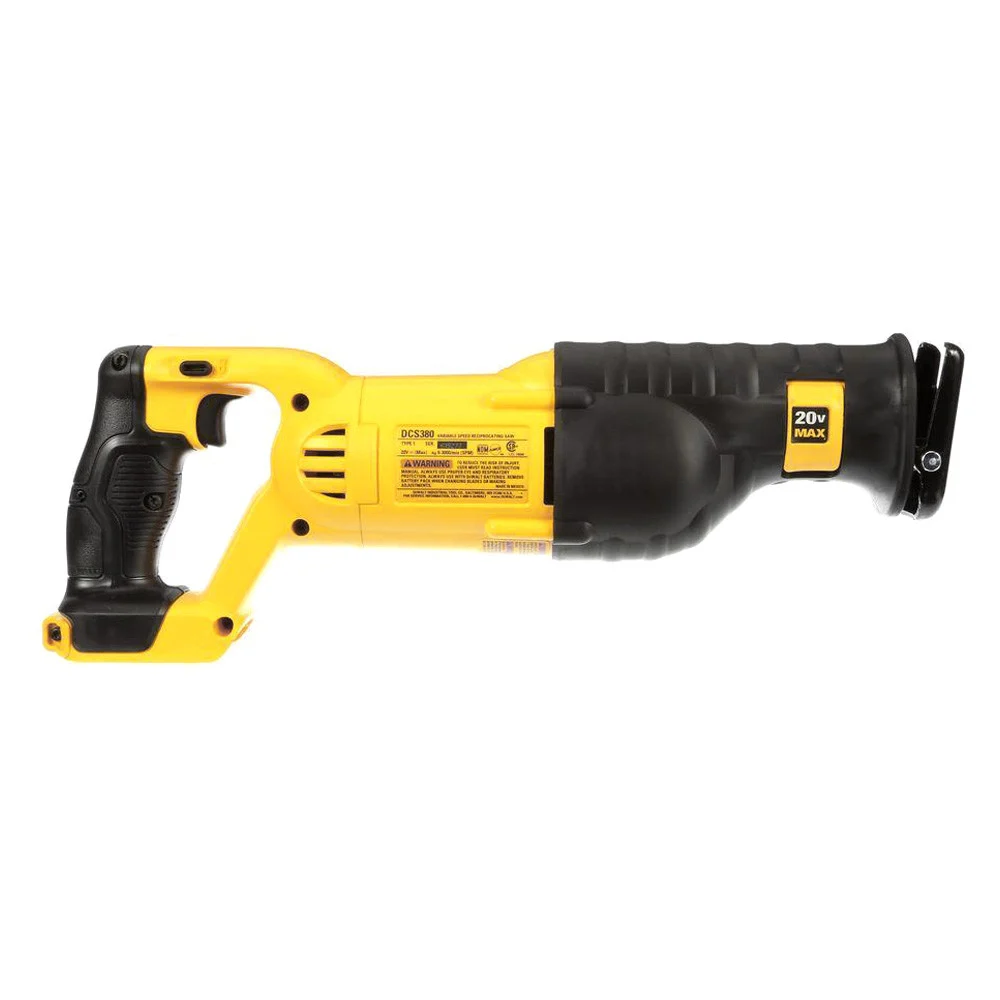
DeWalt 20V MAX Cordless Reciprocating Saw, Tool Only (DCS380B)
ASIN B007NVSTCK
Product image: CARiD retail product media.
Who it’s forThis is the default buy for anyone with 20V MAX batteries on the shelf. It is a brushed full-size saw with a proven formula: 3,000 SPM, a 1⅛-inch stroke, a keyless 4-position blade clamp and a pivoting shoe for leverage. If your garage already runs DeWalt 20V, this is the cheapest way to add a demo saw to the kit.
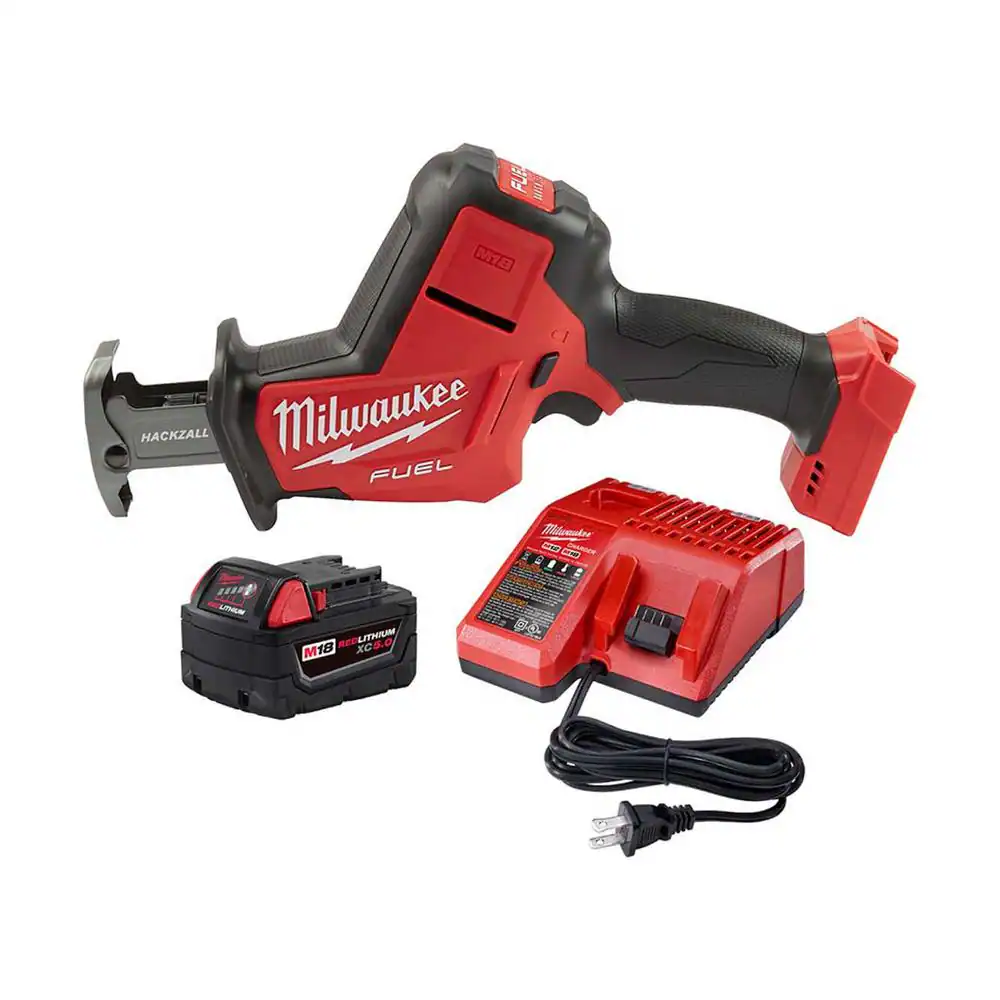
Who it’s forBetween a stud bay, behind a dishwasher or under a sink, a full-size recip saw does not fit. The Hackzall trades stroke length for a one-handed body and a counterbalance system that keeps vibration down for overhead and cut-start work. It is the saw for pipe, conduit and pruning limbs. Tearing down a wall of studs will take a while with the short stroke. Like the rest of the M18 line, it is sold as a bare tool.
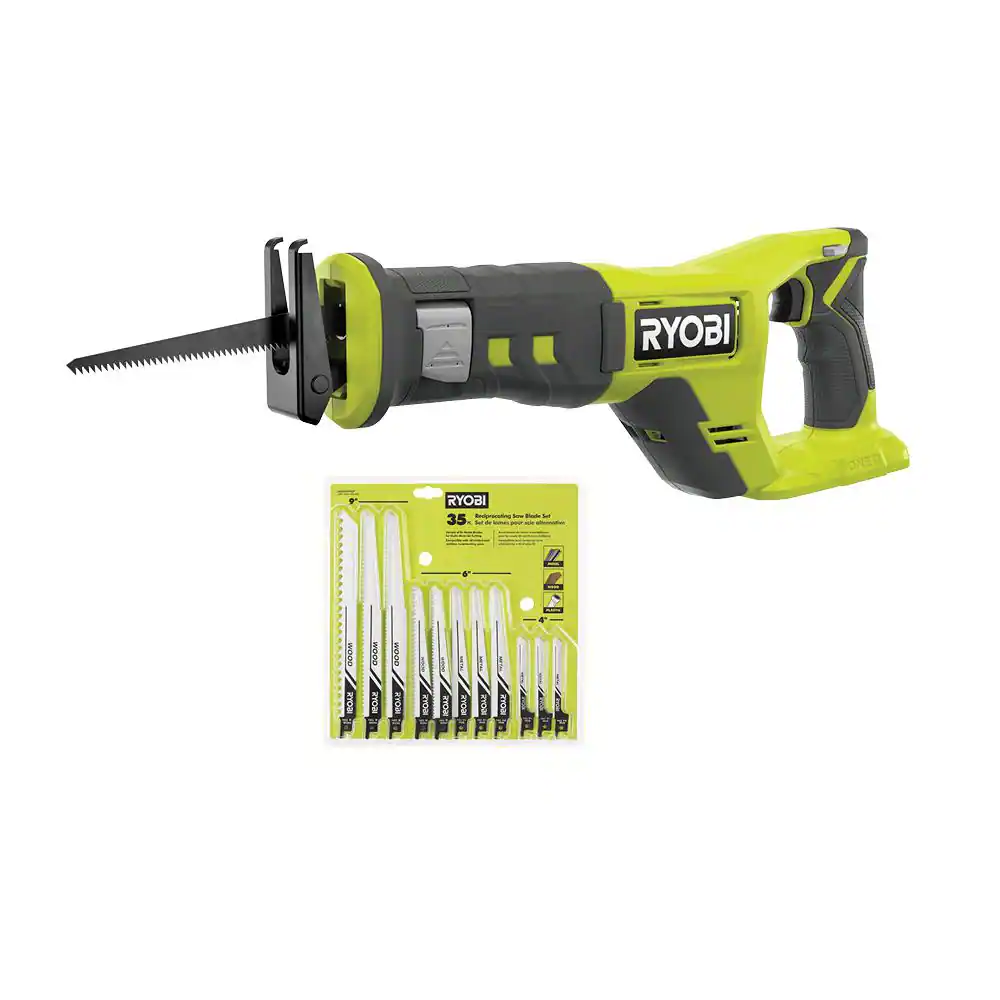
Ryobi ONE+ 18V Cordless Reciprocating Saw, Tool Only (PCL515B)
ASIN B0B88R7HWB
Product image: The Home Depot product listing.
Who it’s forThe cheapest full-size saw in this group that still feels like a real tool. The PCL515B runs 3,400 SPM — the highest here — with a 1-inch stroke, an anti-vibe handle and a pivoting shoe. It is part of the huge ONE+ system, so plenty of DIYers already own the batteries. If you only need a recip saw a few times a year, start here.
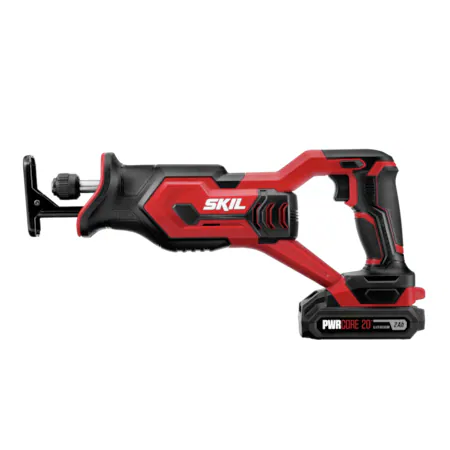
SKIL 20V Compact Reciprocating Saw Kit with 2.0Ah Battery and Charger (RS582902)
ASIN B07FCVVBTC
Product image: Zoro retail listing.
Who it’s forThe first kit on this list, and the best deal for someone starting from zero: saw, 2.0Ah battery and charger in one box for around the price of some bare tools. It is compact and light, with tool-less blade changes, an adjustable pivoting shoe and an LED work light. The 1-inch stroke keeps expectations honest: it suits branches, PVC and light tear-out. Heavy framing work is outside its comfort zone.
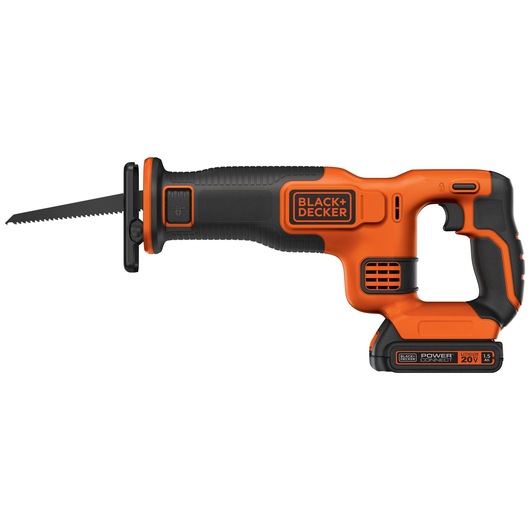
Black+Decker 20V MAX Cordless Reciprocating Saw Kit (BDCR20C)
ASIN B076HPKK19
Product image: BLACK+DECKER product media.
Who it’s forThe most-reviewed saw in this group by a wide margin, and the price explains why. The BDCR20C is a complete kit — saw, battery and charger — with tool-free blade changes, an adjustable pivoting shoe and an electric brake. The ⅞-inch stroke is on the short side, so think pruning, drywall cutouts and the occasional nail-embedded 2x4 rather than full demo duty.
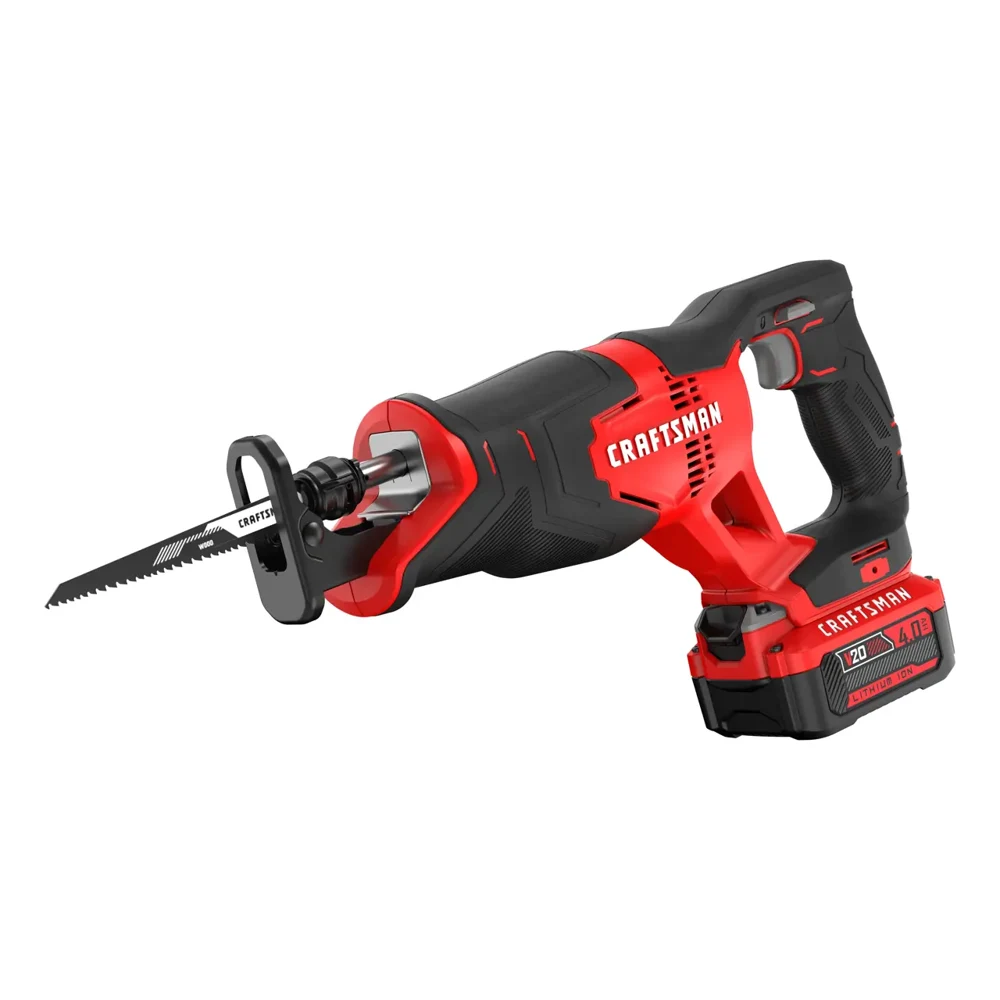
Craftsman V20 Cordless Reciprocating Saw, Tool Only (CMCS300B)
ASIN B07KKHC784
Product image: CRAFTSMAN product media.
Who it’s forCraftsman V20 owners get a straightforward full-size recip saw with a full 1⅛-inch stroke and a quick, keyless blade change. It runs up to 3,000 SPM on a variable-speed trigger. At the bare-tool price it is a sensible add-on if your drill, driver and circular saw are already V20.
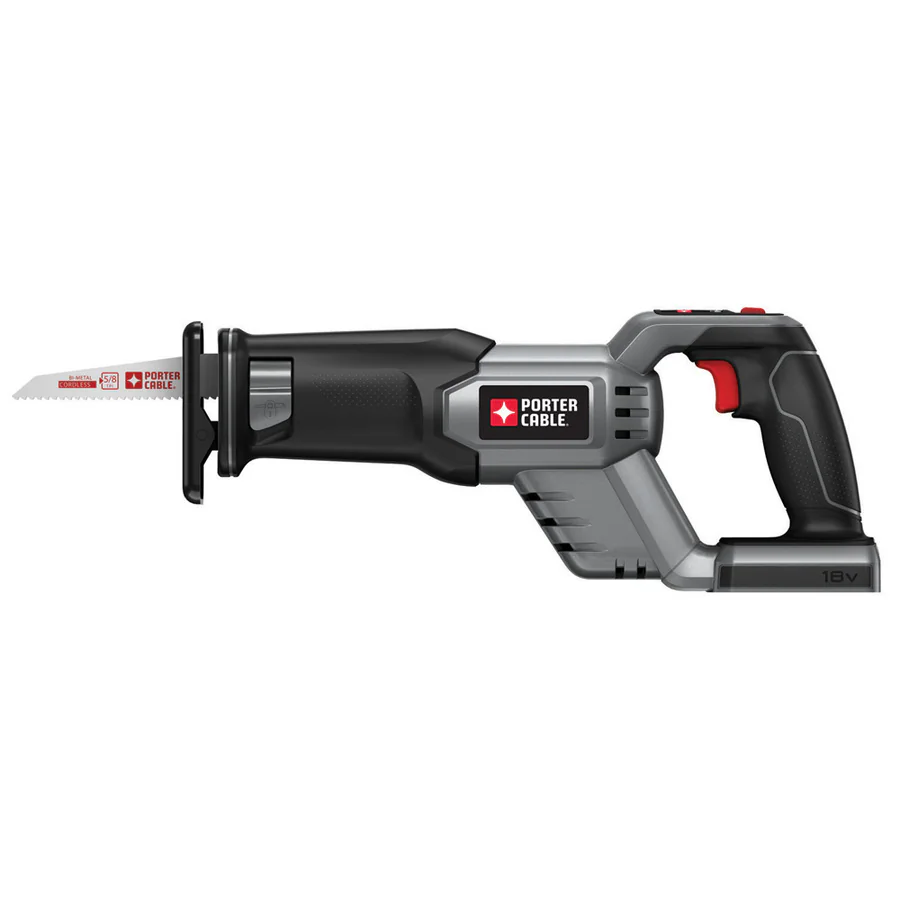
PORTER-CABLE 20V MAX Cordless Reciprocating Saw, Tool Only (PCC670B)
ASIN B00FQ8OGMY
Product image: Lowe’s product listing.
Who it’s forThe lowest-priced bare tool in this group, and it still hits 3,000 SPM with a 1-inch stroke, tool-free blade changes and a pivoting shoe. At 14.5 inches long it fits where full-size saws do not. It is a light-duty saw for light-duty jobs — cutting a branch, trimming PVC, opening up a wall — and priced accordingly.
A reciprocating saw is a demolition tool first. Match the specs below to the kind of cutting you actually do.
Stroke length and SPM
Stroke length is how far the blade travels each pass, and it matters more than the top speed number. A 1⅛- to 1¼-inch stroke removes more material per stroke and powers through studs and nailed lumber. Compact and one-handed saws use shorter strokes (¾ to ⅞ inch), which cut slower but fit between pipes and joists. SPM — strokes per minute — is the speed control: most saws here run 0–3,000 SPM, and a variable-speed trigger lets you slow down for metal and speed up for wood.
Orbital action
Some corded saws add an orbital mode that moves the blade in a small ellipse, chewing through wood noticeably faster. Cordless saws in this group mostly skip it. If your saw will spend its life cutting framing lumber, orbital action is worth having. For metal, pipe and demolition in tight spots, straight-line action gives cleaner control.
Blade-change systems
You will change blades constantly — wood to metal to pruning — so a keyless, tool-free clamp is not a luxury. The better ones here use a lever or twist lock you can work with gloves on, and a 4-position clamp rotates the blade for flush cuts against a surface. Avoid any saw that still needs a hex key for blade changes.
Corded vs. cordless
Corded saws never quit mid-cut and cost less for the same power, which is why a 12-amp corded saw still makes sense for a full weekend of tear-out. Cordless wins everywhere else: ladders, roofs, fence lines, and anywhere dragging an extension cord is a nuisance. If you go cordless, buy into the battery platform you already own — the bare-tool price is only a deal if the batteries are already in your shop.
What to avoid
Skip saws with a stroke under an inch if you plan to cut framing lumber — they will feel like they are polishing the wood. Be wary of no-name cordless saws that do not name a battery platform; a cheap saw with no spare batteries is a disposable saw. And do not buy blades in the same quantity you buy wood: a dull blade makes any saw look weak, so stock up on wood-with-nails and bi-metal blades for the materials you cut most.
Specifications are based on published manufacturer and retailer information for the listed models. Check the current product listing for package contents and compatibility before ordering.