Best Rotary Hammer Drills 2026 — Compared & Reviewed
From cordless 1-inch SDS-plus drills to corded 1-1/8-inch workhorses and one SDS-max big hitter, these picks cover concrete anchoring, chiseling and demolition in the garage or on the jobsite.
Last updated: September 2026
We may earn a commission if you buy through our Amazon links. It does not change what you pay or how the tools are ranked.
How we sized them up
This is a spec-led shortlist built from published specs and retailer listings. We compared shank size, power source, impact energy, no-load speed, drilling modes, vibration control and weight. For most DIYers, impact energy and an anti-bind clutch matter more than top RPM.
The quick cut
Start with the shank size and power source, then check impact energy. Tap any pick to jump straight to the full breakdown.
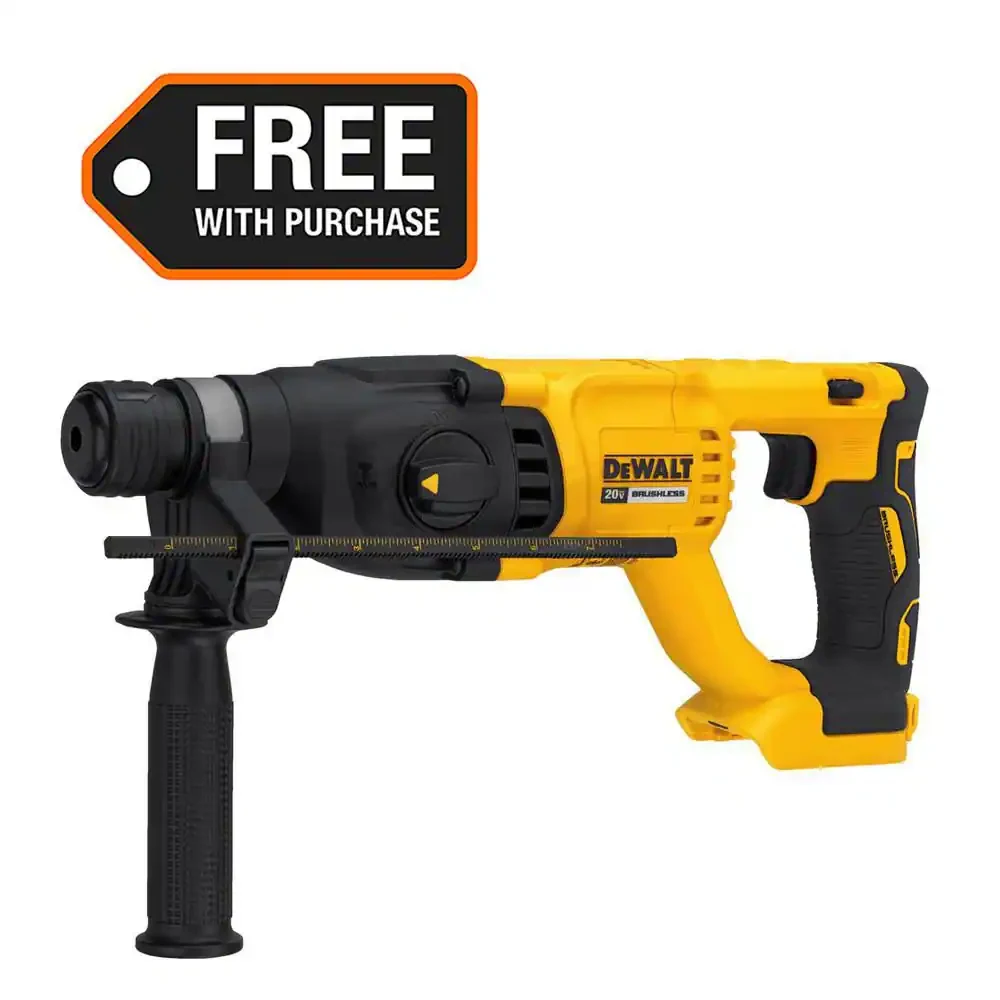
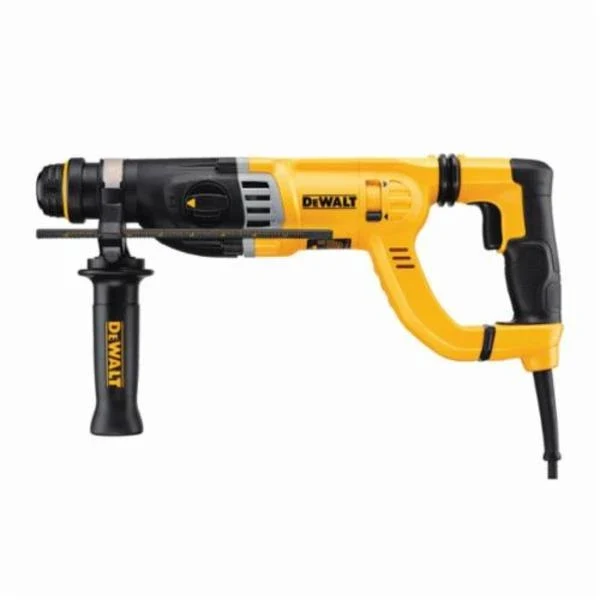
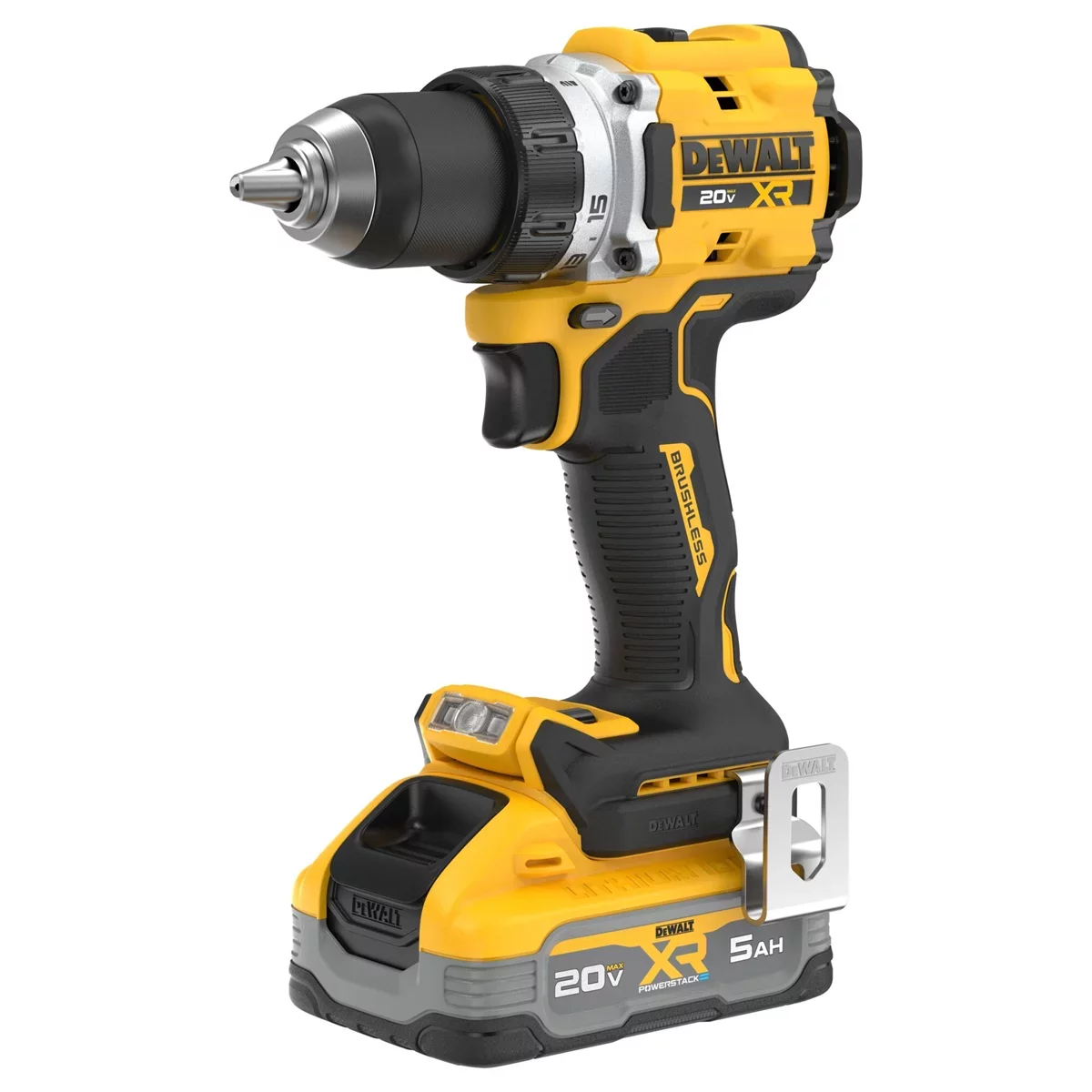
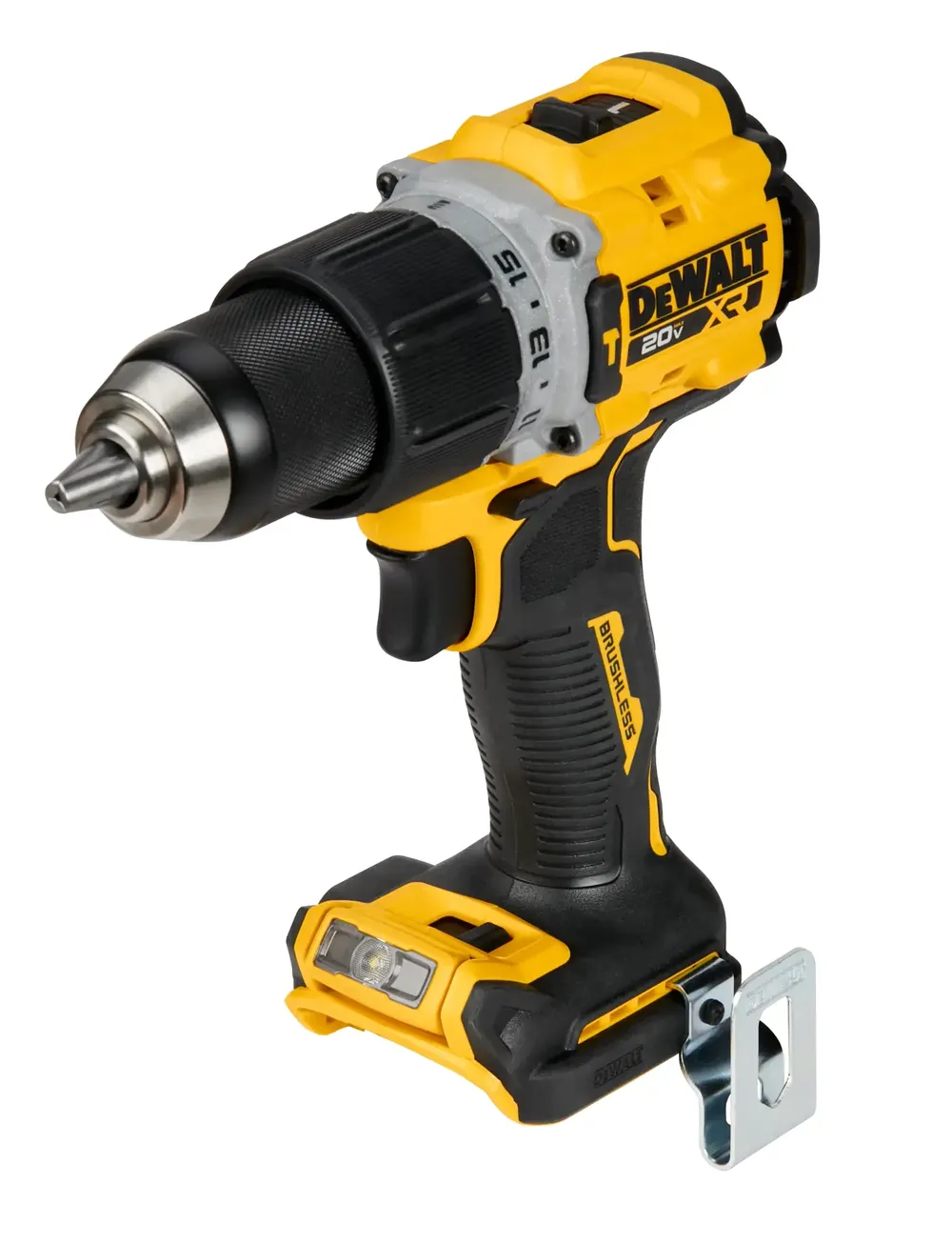
DeWalt 20V Max XR Brushless 1-Inch SDS-Plus Rotary Hammer, D-Handle, Tool Only (DCH133B)
Model DCH133B · ASIN B01MF4YEIF
Product image: The Home Depot product media.
Who it’s forThis is the cordless rotary hammer to buy if you already own DeWalt 20V Max batteries. The 2.6 joules of impact energy handles anchors and rebar dowels in concrete without a cord, and the D-handle keeps control in overhead holes. The bare-tool version keeps the price down for anyone invested in the battery line.
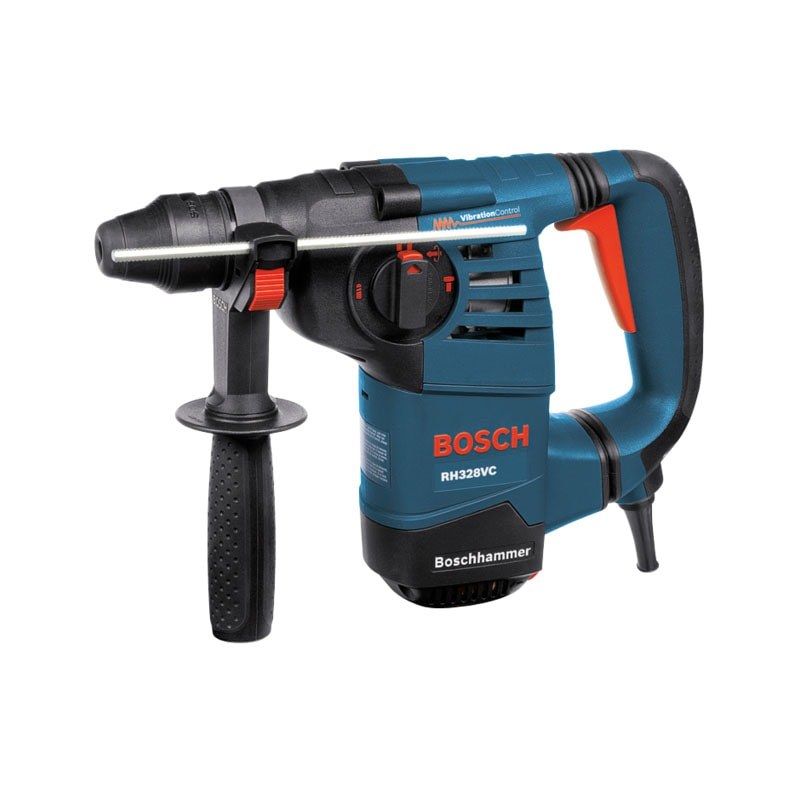
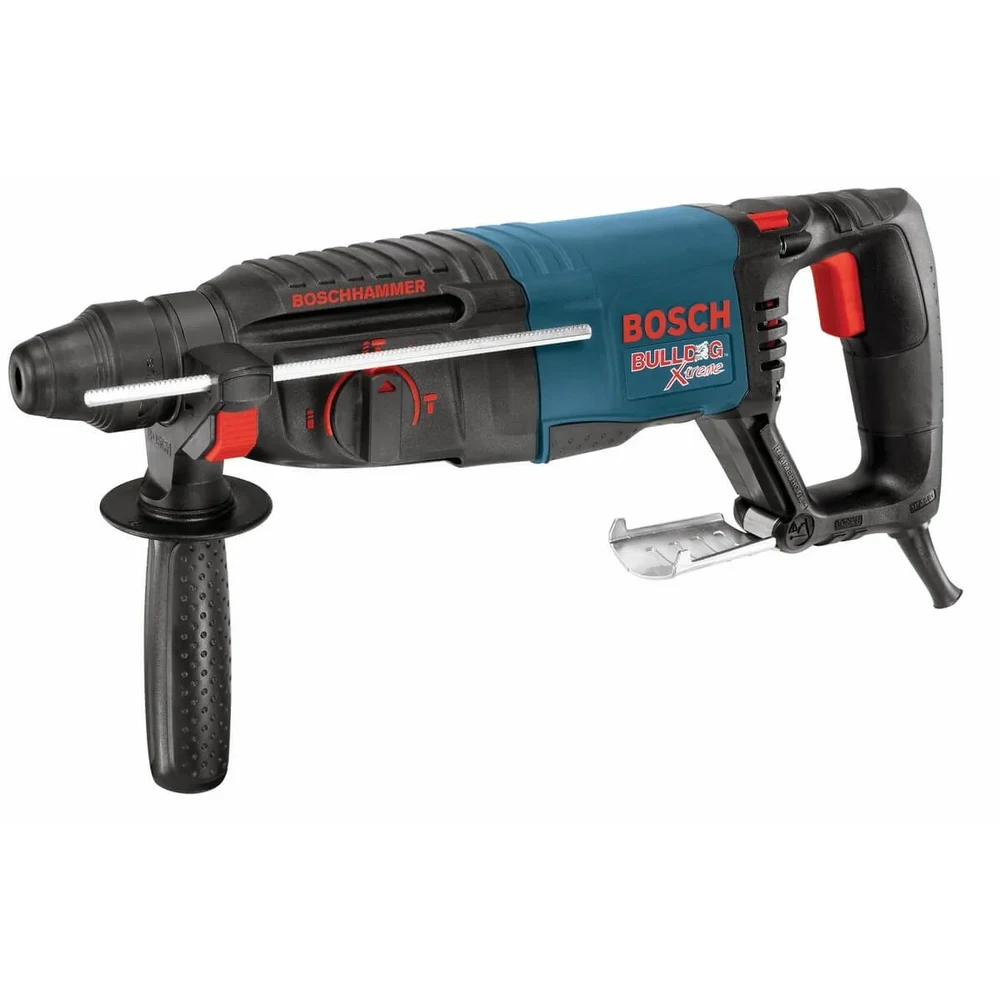
Bosch 1-1/8-Inch SDS-Plus Rotary Hammer with Vibration Control (RH328VC)
Model RH328VC · ASIN B003DQO7ES
Product image: Northern Safety retail listing.
Who it’s forA corded 1-1/8-inch hammer that balances size and hitting power for all-day concrete work. The 8-amp motor and vibration control in the hammer mechanism and grip make it easier to hold through long drilling sessions. The 3-mode selector covers rotary hammering, rotation only and chisel work.
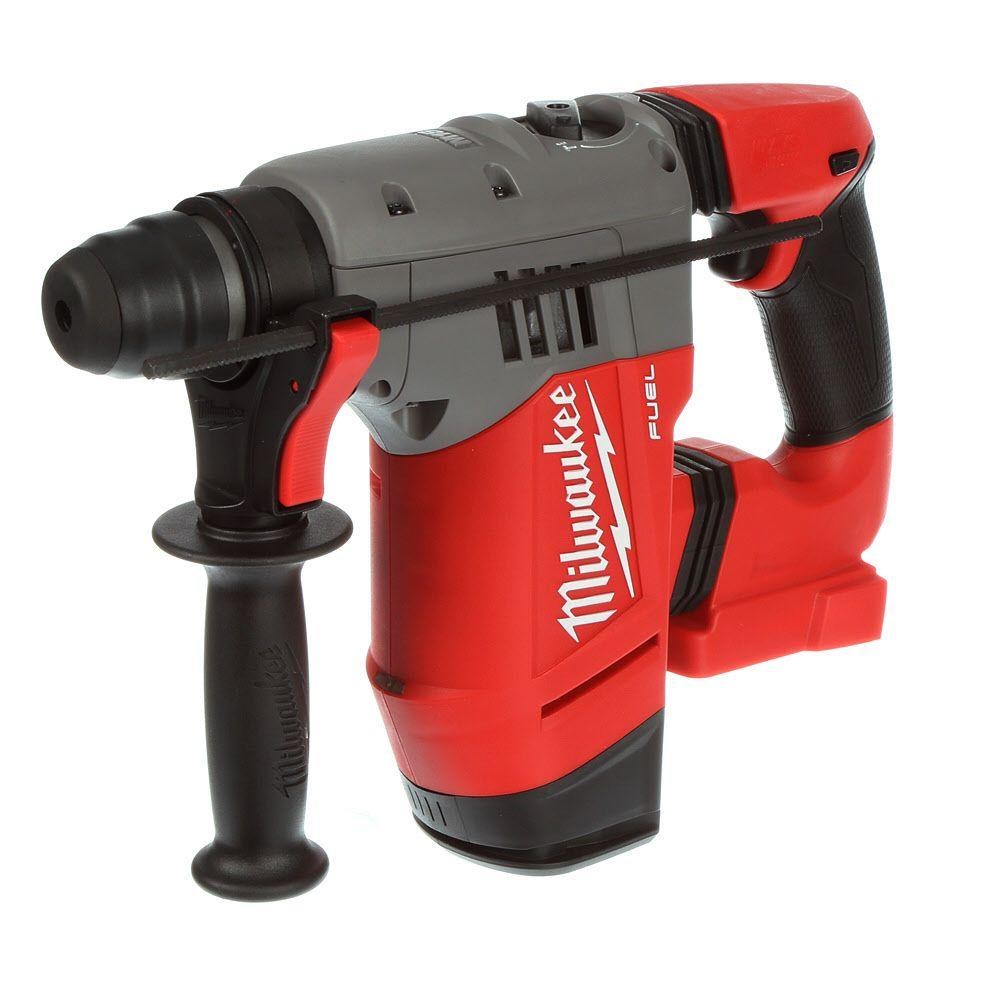
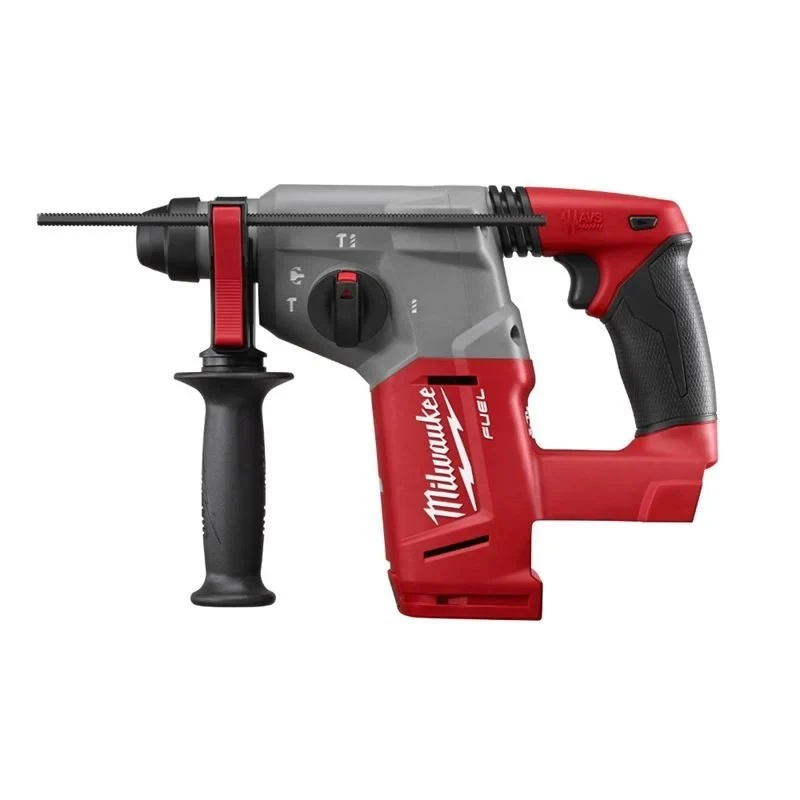
Milwaukee M18 FUEL 1-1/8-Inch SDS-Plus Rotary Hammer, Tool Only (2715-20)
Model 2715-20 · ASIN B00OTXQW2O
Product image: The Home Depot product media.
Who it’s forThe hardest-hitting cordless SDS-plus hammer here, at 3.3 ft-lbs per blow. That extra energy shows up on bigger bits and deeper holes where 1-inch-class drills slow down. It is heavier than the compact 1-inch cordless options, so it makes the most sense as a dedicated masonry tool for M18 owners.
Specifications
Chuck
1-1/8 in. SDS-plus
Power
M18 cordless (bare tool)
Impact energy
3.3 ft-lbs
No-load speed
0-1,350 RPM
Street price
~$450
Pros
Top impact energy among cordless SDS-plus hammers here
DeWalt 1-1/8-Inch SDS-Plus Rotary Hammer Kit with SHOCKS (D25263K)
Model D25263K · ASIN B00VNBV2F2
Product image: retail product media.
Who it’s forDeWalt’s 1-1/8-inch corded kit brings 3.0 joules and SHOCKS active vibration control for about the price of a mid-range bare cordless tool. The kit box, side handle and depth rod come in the package. It is a solid pick when you want corded consistency for drilling and light chiseling.
Product image: Factory Direct Supply product listing.
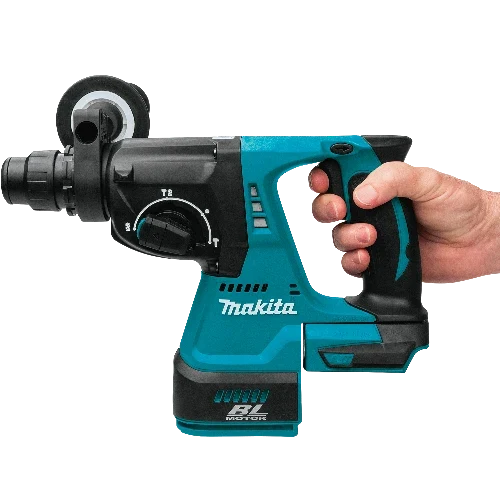
Who it’s forMakita’s brushless 18V entry is the natural pick for LXT battery owners. It delivers 2.0 joules in a body just 12-7/8 inches long, which helps in tight mechanical rooms and overhead work. The 40-position chisel adjustment is handy when you switch between drilling and chiseling.
Specifications
Chuck
1 in. SDS-plus
Power
18V LXT cordless (bare tool)
Impact energy
2.0J
No-load speed
0-950 RPM
Street price
~$350
Pros
Brushless motor with Star Protection computer controls
Who it’s forThe older M18 FUEL 1-inch model still earns a spot as a compact pro option. Its anti-vibration system and 0-4,900 BPM keep drilling smooth for its 1.7 ft-lbs rating. Prices have come down since the bigger 2715-20 arrived, which makes the bare tool a good value for M18 shops.
Specifications
Chuck
1 in. SDS-plus
Power
M18 cordless (bare tool)
Impact energy
1.7 ft-lbs
No-load speed
0-1,400 RPM
Street price
~$250
Pros
Light, short body for overhead and ladder work
AVS anti-vibration system
Proven FUEL platform with wide battery compatibility
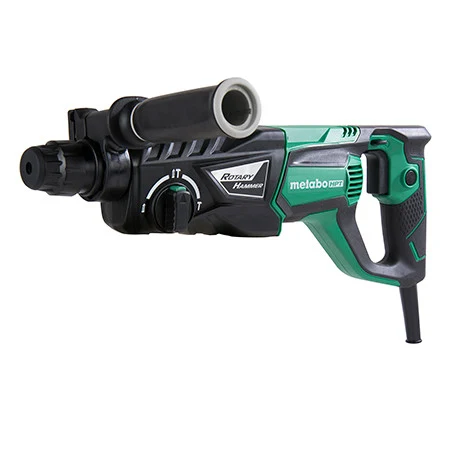
Who it’s forThe Bulldog Xtreme has been the default homeowner rotary hammer for years, and the reasons still hold: 2.0 ft-lbs of impact energy, three modes and a D-handle that helps overhead. It often sells near $150, which undercuts most of this list. It is heavier than the compact cordless picks, so carry weight is the tradeoff.
Who it’s forAt 6.7 pounds this is the lightest corded hammer in the group. The 7.5-amp motor still delivers 2.4 ft-lbs of impact energy, matching hammers that weigh two pounds more. It is a good match for ladder work and smaller concrete jobs where a heavy drill gets tiring.
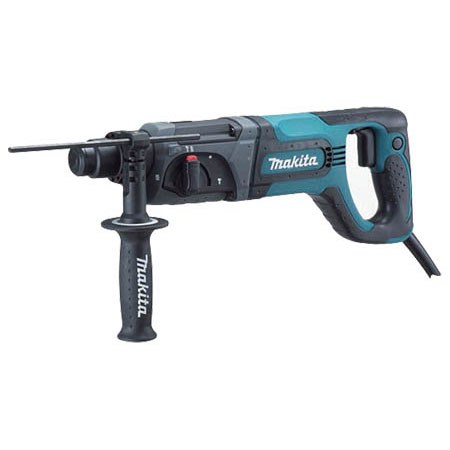
Who it’s forMakita’s D-handle classic runs a 7-amp motor at 0-1,100 RPM and 0-4,500 BPM with 2.7 joules of impact energy. The 40-position chisel setting and lock-on button suit long runs of anchors. It has been around for years, which means parts and bits are easy to find.
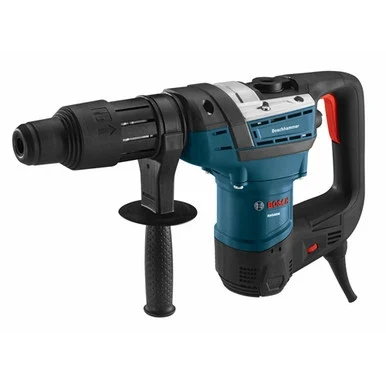
Who it’s forThis is the only SDS-max hammer in the group, and it changes the job category. With 6.1 ft-lbs of impact energy it drills 1-9/16-inch holes and handles demolition chiseling that SDS-plus tools are not built for. It weighs 15.2 pounds, so it is a jobsite tool that lives for concrete work.
Specifications
Chuck
1-9/16 in. SDS-max
Power
12A corded
Impact energy
6.1 ft-lbs
No-load speed
170-340 RPM
Street price
~$400
Pros
Big 6.1 ft-lbs impact energy for holes and demo
Vibration control in the handle and hammer mechanism
Match the shank size and the power source to the work you actually do. Everything else follows from those two choices.
SDS-plus vs SDS-max
SDS-plus is the standard shank for drills up to about 1-1/8 inches. SDS-max bits are much bigger, and SDS-max drills start around 1-9/16 inches and go up from there. If your work is anchors, rebar dowels and small-diameter fasteners, SDS-plus covers it. Move to SDS-max when you drill holes larger than 1-1/2 inches or do real demolition chiseling.
Impact energy, in joules or foot-pounds
This is the number that matters most. It measures the energy of each blow, and it decides how fast a bit moves through concrete. A 1-inch SDS-plus hammer sits around 2 to 3 joules (1.5 to 2.5 ft-lbs). Compare ratings in the same units, since brands mix joules and foot-pounds in their specs.
Corded vs cordless
Cordless rotary hammers have caught up for 1-inch and 1-1/8-inch drilling, but they need big batteries to stay there. Corded models never run out of steam and cost less per joule. Choose cordless when the holes are scattered around a site; choose corded when the drill sits in one place all day.
Chisel mode and the clutch
Most rotary hammers here have three modes: drill only, hammer drill and hammer only. Hammer-only mode turns the tool into a light demolition hammer for tile and mortar removal. A clutch or anti-bind system stops the motor when a bit catches, which keeps the tool from wrenching your wrist.
Vibration control
Vibration control in the handle and hammer mechanism is worth paying for if you drill concrete for more than an hour at a time. It reduces hand and arm fatigue on long sessions. DeWalt calls its system SHOCKS, Milwaukee uses AVS and Bosch builds it into the mechanism and grip.
When a regular hammer drill is enough
A standard hammer drill handles brick, block and soft mortar for light anchors. Step up to a rotary hammer when the material is poured concrete or stone, when you drill many holes in a session, or when the bit size passes 1/2 inch.
What to avoid
Skip no-name SDS hammers with vague impact-energy specs. Check that replacement brushes and chucks are available before buying an unfamiliar brand. And do not run SDS-max bits in an SDS-plus chuck with an adapter for heavy work — the adapter becomes the weak link.
Specifications and street prices are based on published manufacturer and retailer information for the listed models. Check the current product listing for the current price, package contents and compatibility before ordering.